
Description
VMIC (GE Fanuc/Abaco) VMIVME-5740 – Multi‑port Serial Communications Interface for VME Systems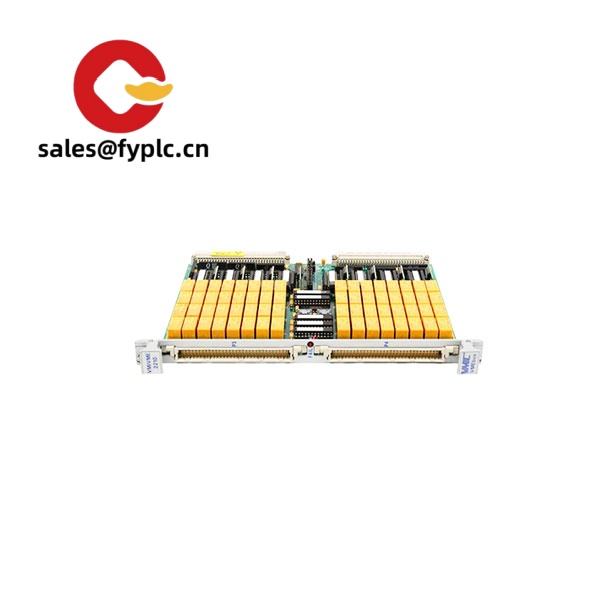
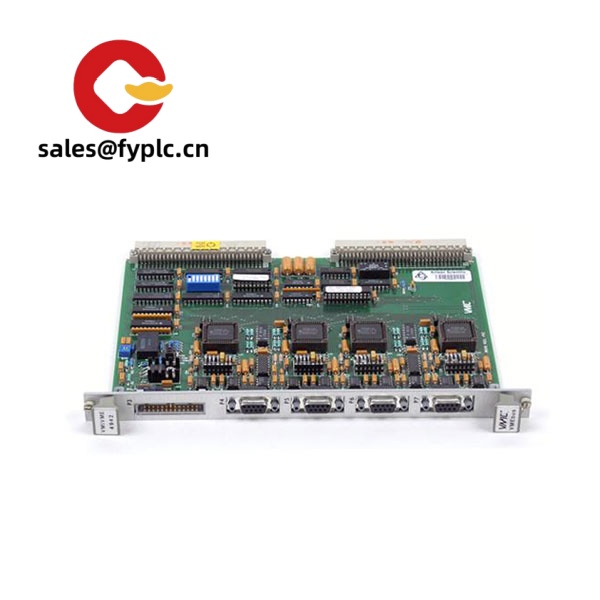
The VMIVME-5740 is a VMEbus communications board designed to add reliable, multi‑channel serial I/O to 6U VME systems. From my experience, it’s typically used to tie legacy RS‑232/422/485 equipment into supervisory control, ATE, or manufacturing execution systems without re‑architecting the whole rack. You might notice that it keeps CPU boards free from low‑level serial handling by offloading ports and interrupts in a very predictable way—handy when uptime and determinism matter more than fancy GUIs.
Our Order Placement Process and Guarantees
- Warranty period: 365 days
- Delivery time: 1 week for in‑stock items; no more than one month at the latest
- Payment: 50% advance payment; full payment prior to delivery
- Express delivery methods: FedEx, UPS, DHL
Key Features
- Multi‑port serial I/O – Typically offered with multiple channels (commonly 4 or 8), suitable for RS‑232/422/485 field devices.
- Interrupt‑driven design – Helps reduce host CPU load; in many cases supports vectored interrupts for responsive event handling.
- Flexible electrical standards – Ports are usually jumper or software selectable between RS‑232 and RS‑422/485 for mixed‑device environments.
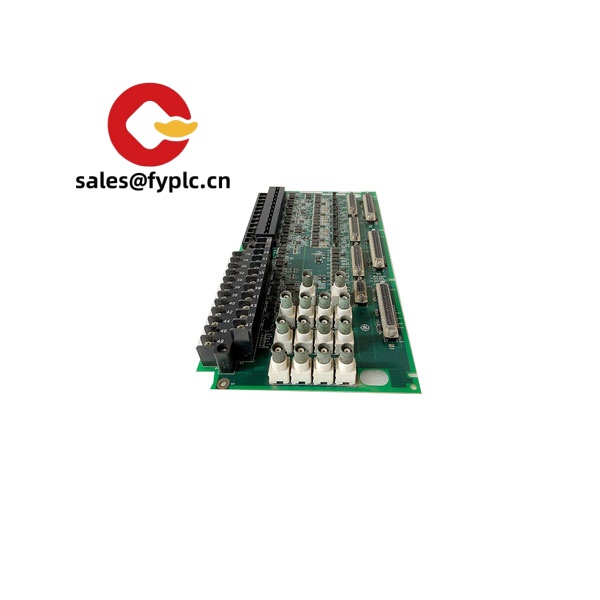
- VMEbus integration – Standard 6U VME form factor for straightforward installation into existing VME64/VME64x backplanes.
- Industrial reliability – Suited to long‑life systems where stable serial links are preferred over frequent protocol changes.
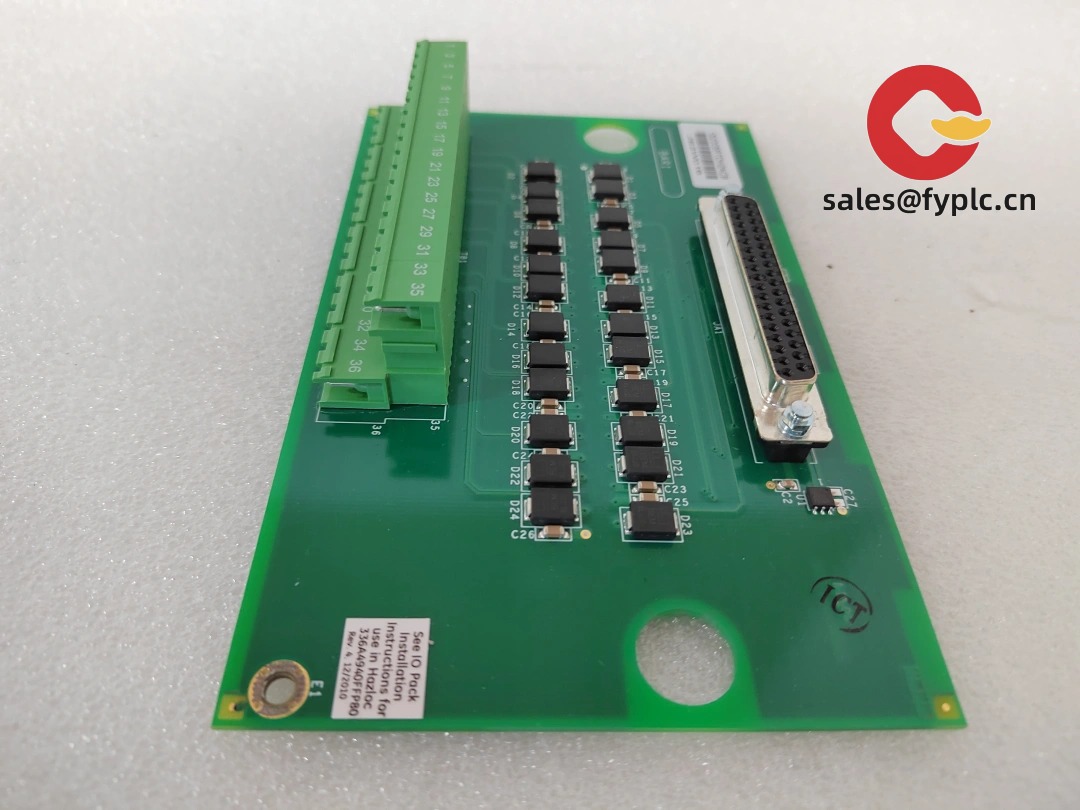
- Field cabling options – Front‑panel connectors with shielded cable support; some revisions appear to route additional I/O via P2 for rear transition modules.
Technical Specifications
| Brand / Model | VMIC (GE Fanuc/Abaco) VMIVME-5740 |
| HS Code | 8537.10 (industrial control boards/panels, indicative for customs) |
| Power Requirements | Supplied from VME backplane; +5 V rail (typical). Some revisions may draw minimal ±12 V for transceivers; power consumption varies by port count. |
| Dimensions & Weight | 6U VME board, approx. 233 × 160 mm; weight typically around 0.4–0.7 kg depending on connectors and shielding. |
| Operating Temperature | 0 to +55°C (commercial). Extended ranges may exist by option code; storage often −40 to +85°C. |
| Signal Input/Output Types | Multi‑port asynchronous serial; RS‑232/RS‑422/RS‑485 (port population and standards vary by build). |
| Communication Interfaces | VMEbus interface for register/control access; interrupt support; baud rates typically programmable per channel. |
| Installation Method | 6U VME card; front‑panel serial connectors. Some versions support rear I/O via P2 and a rear transition module. |
Related or Supporting Products
- VME 6U chassis and VME64/VME64x backplanes – ensures mechanical fit and backplane power/interrupt lines.
- Rear Transition Module (RTM) for P2 serial breakout – when rear I/O is preferred over front‑panel cabling.
- Shielded serial cables and adapters – DB‑9/DB‑25 to terminal block breakout for field wiring; null‑modem or 485 bias/termination accessories.
- Alternative multi‑port serial VME boards – if the exact VMIVME-5740 option is unavailable, customers typically consider comparable 6U VME serial cards with RS‑232/422/485 mix; we can cross‑reference by required port count and voltage levels.
Quick feedback from a recent user in a wafer‑handling retrofit: “We replaced three external converters with one 5740 and cleaned up the cabinet. The maintenance team likes that each port is fixed to the right standard—less fiddling during shifts.”
Installation & Maintenance
- Cabinet & ventilation – Mount in a 6U VME chassis with adequate forced‑air cooling across the card cage. Keep intake filters clean; serial transceivers run warmer at high baud rates.
- Wiring – Use shielded twisted pairs for RS‑422/485. In most cases, terminate 485 at the ends of the bus and apply bias resistors to avoid line float. Keep RS‑232 runs short to minimize noise pickup.
- Grounding & ESD – Observe ESD precautions; connect shields at a single point to avoid ground loops, particularly in mixed 232/485 systems.
- Configuration – Set each port’s electrical standard and baud/format per the site standard. If rear I/O is used, double‑check P2 pinout and RTM mapping before power‑up.
- Routine maintenance – Periodically verify connector torque, inspect cables for strain, and back up configuration files. Firmware or driver updates (where available) should be staged and rolled out during planned downtime.
Quality & Certifications
- CE marking is commonly available for VMIC VME I/O boards; UL recognition may apply to subassemblies.
- RoHS compliance depends on board revision and date code; legacy units may be non‑RoHS, while later builds or remanufactured units can be compliant.
- Manufacturer’s warranty policies vary by revision and sourcing; our supplied units include a 365‑day warranty as stated above.
If you can share the exact port count and required serial standards, we’ll confirm the VMIVME-5740 option code and match the correct cabling/RTM. That avoids surprises during commissioning and typically shortens your SAT by a few days.



Reviews
There are no reviews yet.