
Description
VMIC VMIVME-4199 – VMEbus Analog Output Module for Precision Control and Test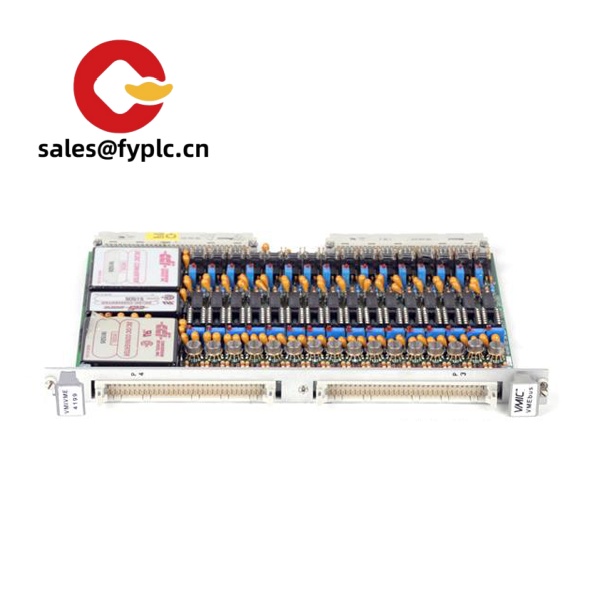
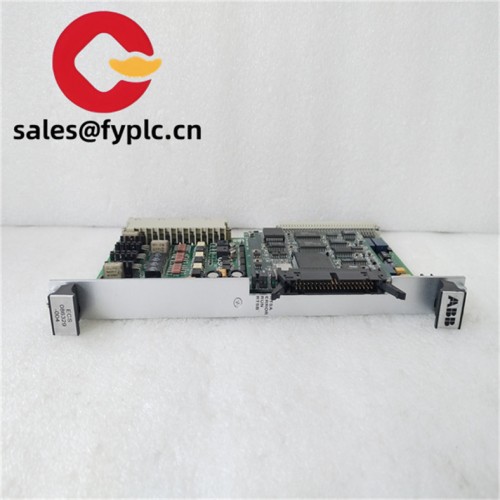
The VMIC VMIVME-4199 is a legacy VMEbus analog output module designed for deterministic control, motion profiles, and lab/test stands. It comes from the long-running VMIVME series (later under GE Fanuc / Abaco Systems), and in many cases it’s deployed as the primary DAC stage for servo loops, valve control, or automated functional testers. You might notice that most -4199 builds focus on multi-channel, ±10 V voltage outputs with optional current loop variants, which makes it a straightforward fit for mixed industrial and aerospace benches.
From my experience, teams choose the 4199 when they want a reliable 6U VME analog output card with predictable timing, simple register access, and easy breakout to field wiring. There are different build options and suffixes in the field; if you’re chasing a specific voltage/current range or isolation level, we’ll verify the exact part code before shipping.
Order Placement Process and Guarantees
- Warranty: 365 days
- Lead time: 1 week if in stock; no more than 1 month at the latest
- Payment terms: 50% advance payment; full payment before delivery
- Express shipping: FedEx, UPS, DHL
- Each unit undergoes functional testing before dispatch; anti-static packaging as standard
Key Features
- Multi-channel analog outputs – typically high channel density for scaling multiple loops or axes on one slot.
- Voltage ranges aligned to industrial norms – commonly ±10 V or 0–10 V; some variants support 4–20 mA via option boards.
- 6U VMEbus form factor – standard 233 x 160 mm board, easy drop-in for existing 6U VME chassis.
- Deterministic updates – register-based access over VME for tightly scheduled output updates.
- On-board reference and calibration support – ensures consistent output accuracy across temperature in most cases.
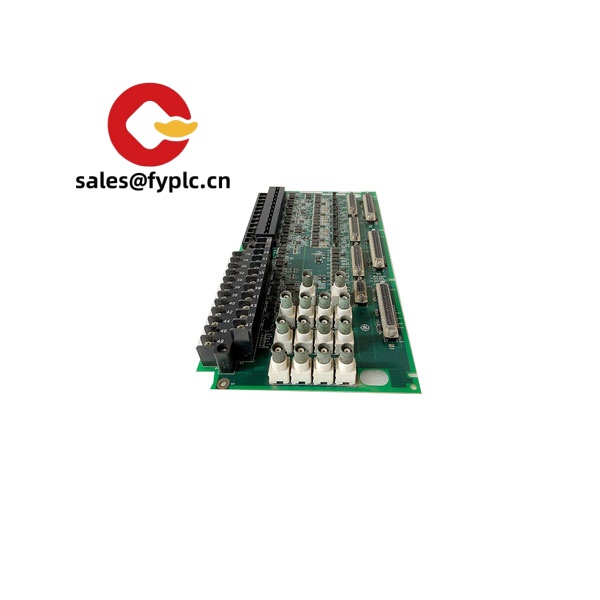
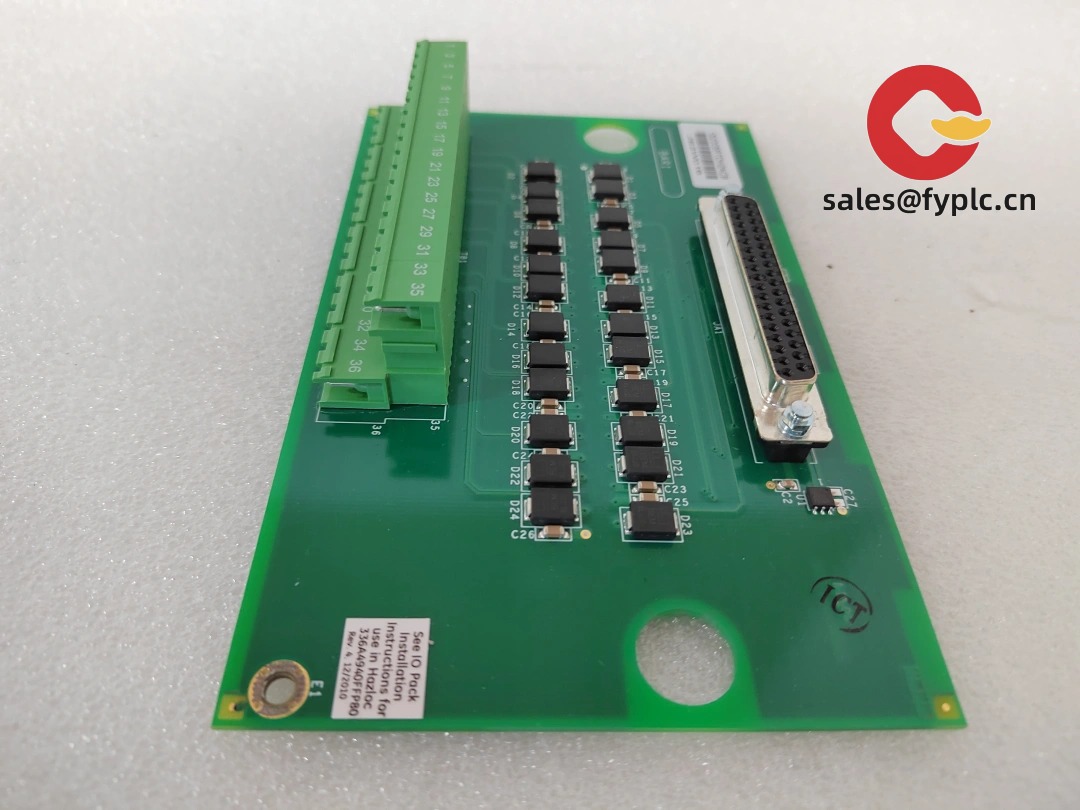
- Front-panel high-density I/O – simplified cable routing to a breakout/terminal panel in the cabinet.
- Industrial temperature operation – typically 0 to 55 °C when used with adequate chassis airflow.
- Field-proven reliability – many users keep these running for years in critical benches with only periodic re-calibration.
“We swapped a failed DAC card with the VMIVME-4199 and had our test stand back in service the same day. No code changes, just re-map the channels and go.” — Maintenance lead at an aerospace MRO
Technical Specifications
| Brand / Model | VMIC VMIVME-4199 (legacy VMIVME series; later GE Fanuc / Abaco lineage) |
| Product Type | VMEbus analog output (DAC) module |
| HS Code | 8537.10 (commonly declared for industrial control assemblies; confirm per destination) |
| Power Requirements | VME backplane supply; typically +5 V rail (aux ±12 V as required by build; check board label) |
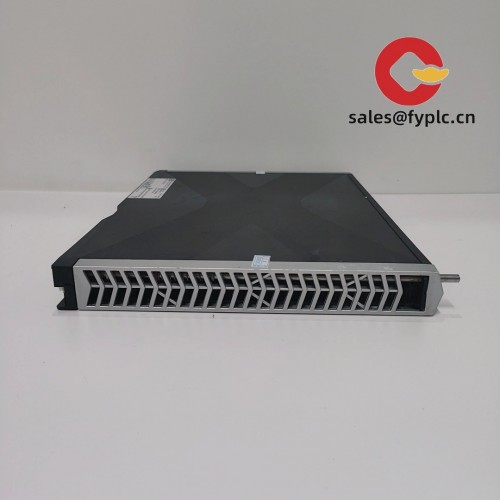
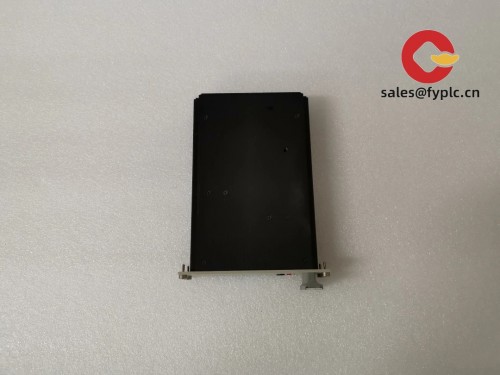
| Form Factor / Size | 6U VME, approx. 233 x 160 mm; front-panel I/O |
| Operating Temperature | Typically 0 to +55 °C with adequate chassis airflow |
| Signal I/O Types | Voltage outputs (±10 V / 0–10 V common); some builds support 4–20 mA |
| Communication Interfaces | Standard VMEbus register access; A16/A24 addressing and D16/D32 data on most variants |
| Installation Method | Plug-in 6U VME card into chassis backplane (J1/J2 as required); front-panel I/O cabling to terminal board |
Related or Supporting Products
- VMIVME-4116 – Higher-resolution analog output option on many systems; a good pick when you need finer setpoint granularity.
- VMIVME-4115 – Cost-optimized DAC module; fewer features but fits budget-sensitive benches.
- VMIVME-4120 – Companion analog input (ADC) card for closed-loop feedback or data acquisition.
- VMIVME-2544 – Digital I/O module used alongside the 4199 for interlocks, relays, and status monitoring.
- 6U VME chassis (8–12 slots), shielded analog cable assemblies, and DIN-rail terminal/breakout panels matched to the 4199 front I/O pinout.
If you’re replacing an older 4199 in a mixed system, we typically double-check the channel count, voltage/current options, and any isolation notes stamped on the front panel to ensure cable pinouts match your existing terminal board.
Installation & Maintenance
- Cabinet and chassis: Use a 6U VME chassis with adequate forced-air cooling; keep adjacent slots clear if thermal load is high.
- Wiring: Route analog lines away from high-voltage and high-frequency cables; use shielded twisted pairs for low-noise performance.
- Grounding: Single-point grounding strategy typically reduces offset drift and hum; bond shields at the cabinet side.
- ESD safety: Handle the board with wrist strap and antistatic mat; avoid flexing the PCB during insertion.
- Configuration: Verify address jumpers/EEPROM settings (A16/A24) and output ranges before energizing the system.
- Maintenance: Annual calibration checks are recommended; clean connectors and front-panel mating hardware; apply firmware or microcode updates if provided for your variant.
One thing I appreciate is how straightforward channel verification is: a quick loopback to a calibrated DMM usually confirms output accuracy within minutes.
Quality & Certifications
- CE compliance was typical for many production runs; documentation available on request.
- UL/CSA recognition where applicable for the VME assembly and chassis integration.
- RoHS status varies by date code; many legacy VME modules are exempt under industrial monitoring categories.
- Manufacturing lineage under ISO 9001 quality systems (VMIC/GE Fanuc/Abaco era).
- Warranty provided: 365 days replacement/repair coverage as stated above.
What we typically confirm before shipping
- Exact VMIVME-4199 variant (voltage/current option, channel count, isolation)
- I/O connector style and mating cable/breakout requirements
- Backplane addressing and any site-specific calibration data needs

Reviews
There are no reviews yet.