
Description
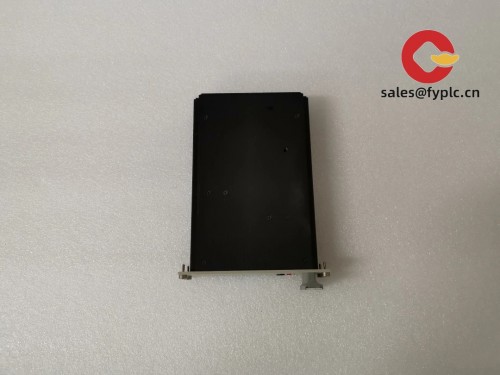
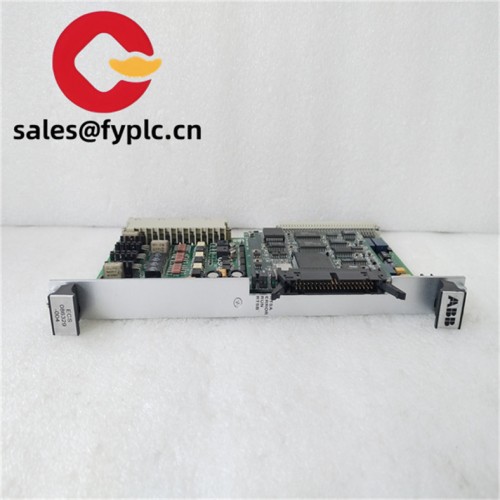
VMIC VMIVME-HSD – High‑Speed Digital I/O Module for VME Systems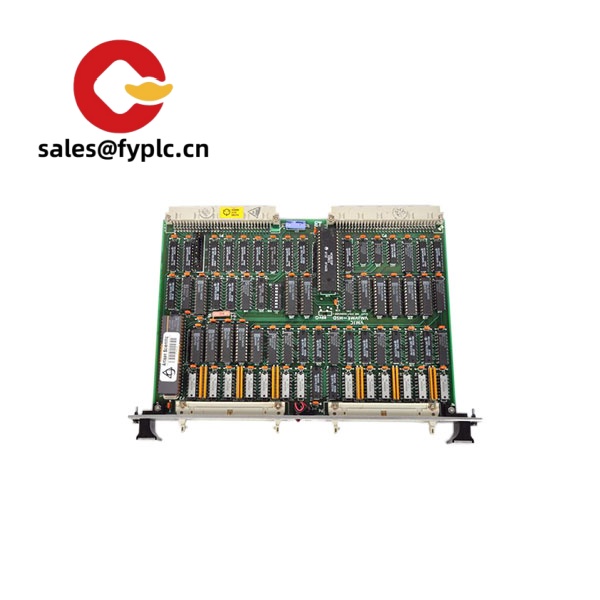
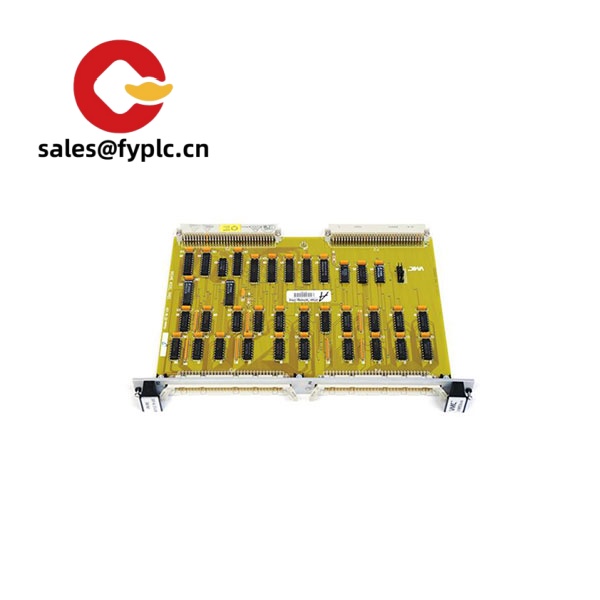
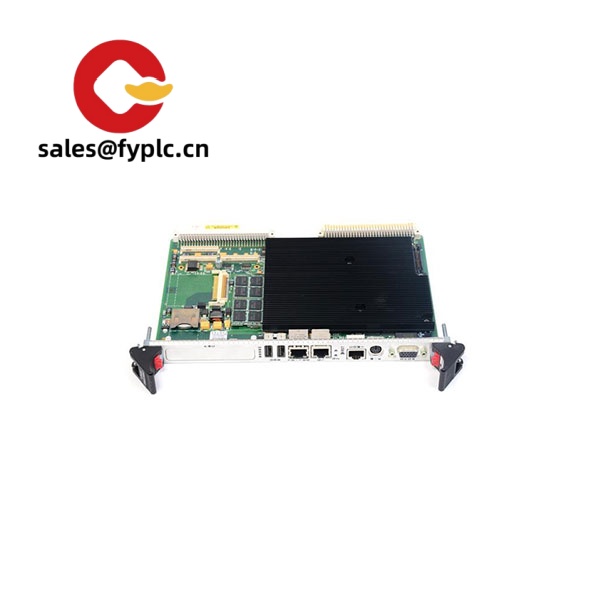
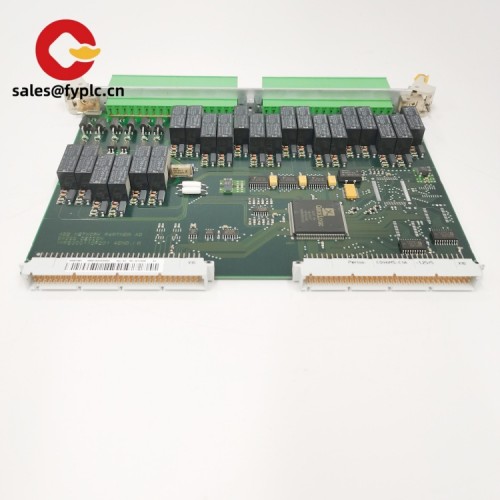
The VMIC VMIVME‑HSD is designed for VMEbus systems that need rapid, deterministic digital signal capture and generation. In many cases it’s deployed where microsecond‑level timing matters—semiconductor handlers, hardware‑in‑the‑loop benches, high‑speed triggering in automated test, or motion platforms that must latch position and fire strobes precisely. You might notice that it fits into standard 6U VME slots and behaves like a straightforward high‑speed digital I/O resource with onboard timing and interrupt support, so integration usually goes quickly.
From my experience, VMIC’s HSD boards typically present differential digital channels for noise‑immune signaling, plus programmable direction and edge/level modes. Data moves over the VME backplane with DMA or block transfers, while a front‑panel high‑density connector brings signals out to your fixture. If you’ve worked with VMIVME series modules before, the development pattern will feel familiar.
Company’s Order Placement Process and Guarantees
- Warranty: 365 days
- Delivery: 1 week if in stock; no more than one month at the latest
- Payment: 50% advance payment; full payment prior to delivery
- Express options: FedEx, UPS, DHL
Key Features
- High‑speed digital channels – Suited for burst capture, pattern generation, and tight trigger/strobe timing in automated test.
- Differential signaling – Typically LVDS/RS‑422 class levels for better noise immunity over longer cable runs.
- Programmable direction and modes – Configure groups as inputs or outputs, with edge/level detection and debouncing where supported.
- Onboard timing resources – Hardware counters/timers and external clock or strobe inputs help synchronize with motion axes or vision strobes.
- VMEbus block transfers – Efficient DMA/BLT moves reduce host CPU overhead during high‑rate acquisition or playback.
- Interrupt support – Generate VME interrupts on threshold events, buffer levels, or user triggers to simplify real‑time sequencing.
- Front‑panel high‑density connector – Breaks out digital I/O; easy to wire via MDR/HD68‑style harnesses and breakout panels.
- Software integration – In most cases, VxWorks/Linux/Windows drivers or sample libraries are available for VMIVME modules; verify per revision.
Technical Specifications
| Brand / Model | VMIC VMIVME‑HSD (VMEbus high‑speed digital I/O) |
|---|---|
| HS Code | 8473.30 (Parts/accessories for ADP machines; typical classification for VME I/O boards) |
| Form Factor | 6U VME, Eurocard 160 mm depth; front panel with captive screws |
| Power Requirements | VME backplane +5 VDC (primary); ±12 VDC may be required depending on I/O stage |
| Dimensions & Weight | 6U x 160 mm PCB; approx. 0.6–0.8 kg including front panel (typical for VMIVME boards) |
| Operating Temperature | 0 to +55 °C (commercial grade); ensure adequate airflow in chassis |
| Signal Input/Output Types | High‑speed digital I/O, typically differential (LVDS/RS‑422 class) or TTL depending on variant; front‑panel high‑density connector |
| Communication Interfaces | VMEbus compliant; supports interrupts and block transfers |
| Installation Method | Standard 6U VME slot mounting; secure front panel screws; connect I/O via shielded cable to breakout |
Related or Supporting Products
- VME 6U Chassis and Backplane (J1/J2) – Provides airflow, backplane power, and slot mechanics; choose at least 15–25 CFM per slot for high‑speed I/O cards.
- High‑density I/O Cables (HD68/MDR‑68 style) – Breaks out the front‑panel connector to screw‑terminal panels; reduces wiring time and crosstalk.
- Transition/Breakout Modules – Rack‑mount panels that present labeled terminal blocks for differential pairs and strobes.
- Alternative VME I/O Options: VMIVME‑7432 (TTL digital I/O, lower speed), VMIVME‑5565 (reflective memory for deterministic data transport). These address different needs if you’re more focused on general‑purpose I/O or low‑latency data sharing rather than raw edge rates.
Installation & Maintenance
- Cabinet and airflow – Install in a VME chassis with continuous forced air across the card cage. Keep inlet air below 50 °C; avoid recirculation.
- Wiring practices – Use shielded twisted pairs for differential lines; keep cable runs short; tie shields to chassis at one end to limit ground loops.
- Power and grounding – Verify stable +5 V on the backplane under load. From my experience, a slightly low +5 V causes sporadic I/O edges at high rates.
- ESD and handling – Treat as sensitive electronics; handle by the front panel and edges, and seat fully before tightening captive screws.
- Configuration – Check any onboard jumpers or DIP switches for I/O standards and strobe polarity. Document channel mapping from the breakout for operators.
- Routine care – Quarterly dust cleaning with dry air; reseat connectors annually. Firmware or CPLD revisions, if applicable, should be kept consistent across systems.
- Functional checks – A quick pattern‑out/loopback‑in test at start‑up typically catches wiring or connector issues before a long test run.
Quality & Certifications
- CE marking and UL recognition are commonly met on VMIVME series; documentation varies by hardware revision.
- Manufactured under ISO 9001 quality systems (typical for VMIC/GE Fanuc/Abaco lineage).
- RoHS compliance may depend on date code and version; confirm if your project requires lead‑free.
- Warranty: 365 days replacement/repair coverage.
One thing I appreciate is how predictable these modules behave once timing is dialed in. If you can share your required channel count, logic levels, and max edge rate, we’ll match the exact VMIVME‑HSD variant or suggest a compatible alternative that keeps your wiring and software changes minimal.
Reviews
There are no reviews yet.