
Description
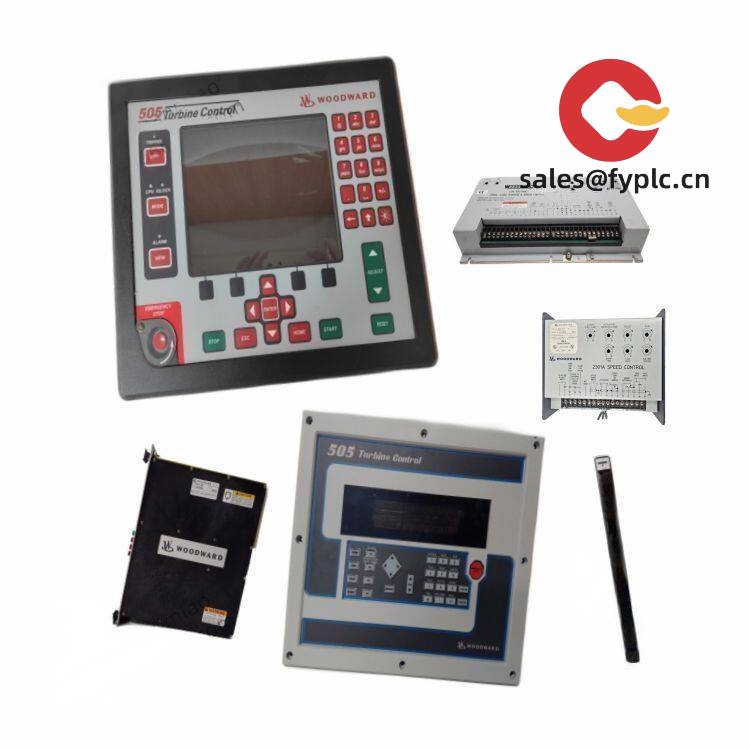
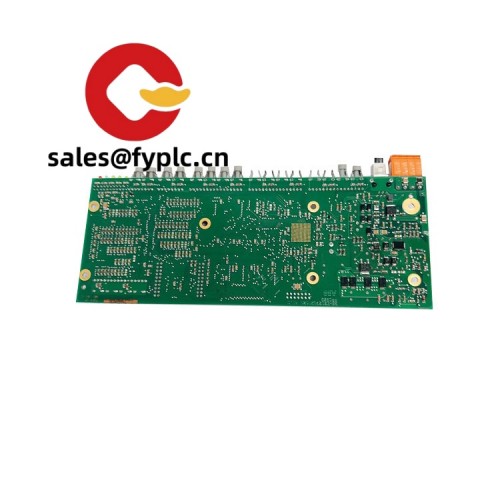
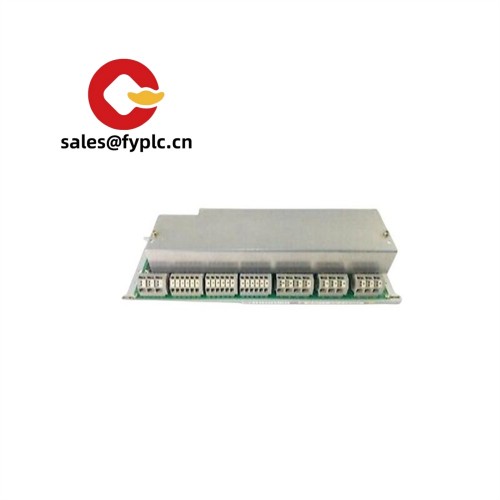
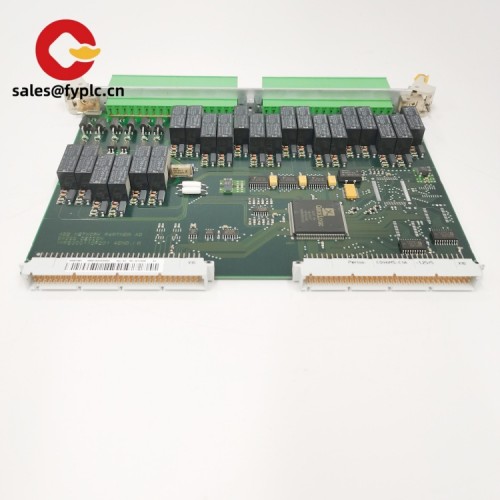
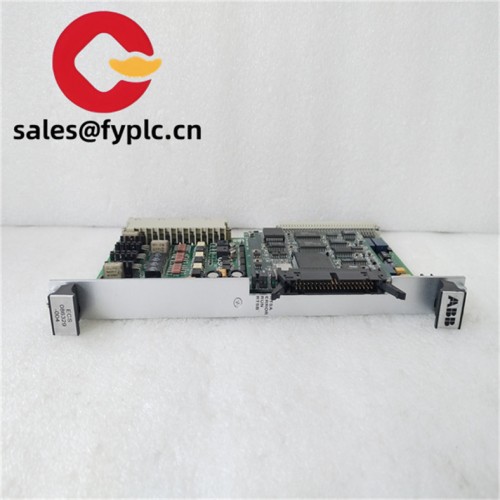
Woodward 8290-191 MicroNet EPGS Controller: Your Generator’s Steady Hand When Power Gets Tricky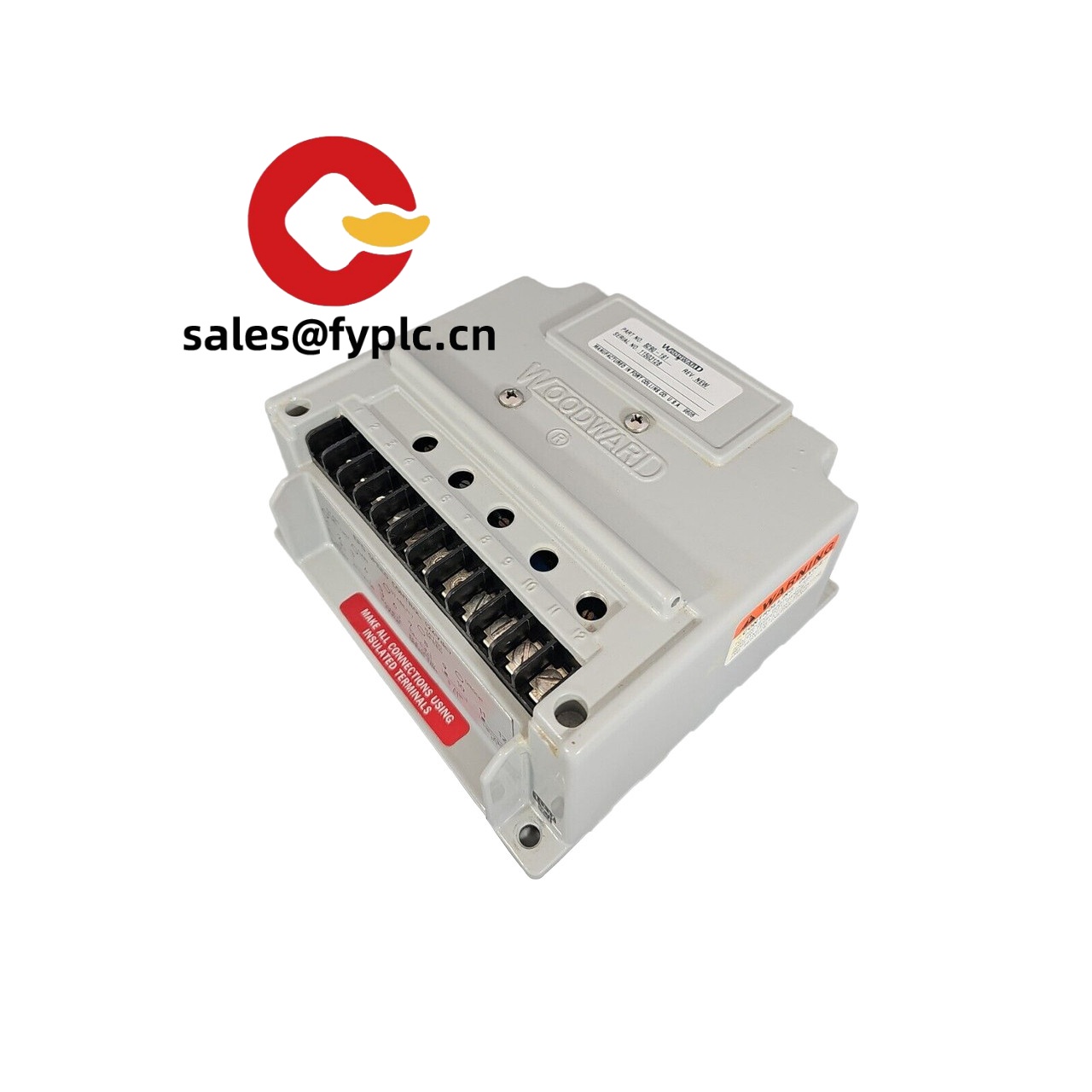
You know how generator paralleling can turn into a headache when grid conditions get unstable? That’s where this little beast shines. I’ve seen the Woodward 8290-191 keep critical facilities humming through brownouts that would make cheaper controllers tap out. One hospital maintenance manager in Florida told me it “saved their ICU during three hurricanes” – seems to be the kind of reliability you pay for upfront but thank later.
Procurement Notes You’ll Want to Know
- 365-day warranty – covers component failures but not lightning strikes (nobody’s perfect)
- Typically ships in 1 week if in stock; worst-case scenario: 4 weeks for custom firmware builds
- Payment: 50% upfront to lock pricing, balance before FedEx/UPS/DHL dispatch
Why Plant Engineers Actually Like This Thing
- Dual CAN bus ports – lets you daisy-chain controllers without separate gateways. From my experience, this cuts wiring time by nearly half during retrofits.
- Automatic sync check – prevents messy generator collisions during black starts. One data center tech said it “stopped a $50k repair bill” when their main grid flickered.
- Harmonic distortion analysis – spots nasty power quality issues before they fry sensitive equipment. Not flashy, but typically saves unplanned downtime.
- Field-upgradable firmware – no need to yank the whole unit when Woodward releases patches. You might notice that’s rare in sub-$2k controllers.
No-Surprise Technical Specs
| Parameter | Specification |
|---|---|
| Brand/Model | Woodward 8290-191 MicroNet EPGS |
| HS Code | 8537.10.0090 (Programmable controllers) |
| Power Requirements | 18-36 VDC @ 1.5A max (ripple tolerance: 5%) |
| Dimensions & Weight | 146 x 120 x 70 mm / 0.8 kg (DIN rail mountable) |
| Operating Temperature | -40°C to +70°C (derate above 55°C) |
| Signal I/O | 8x digital inputs, 4x relay outputs, 2x analog inputs (0-10V/4-20mA) |
| Communication | Dual CAN 2.0B, Modbus RTU over RS-485, USB for local config |
Where It Actually Pulls Its Weight
This isn’t some lab toy – it’s built for places where power glitches mean real money. Think offshore oil platforms dealing with salt corrosion, or African telecom towers running on diesel hybrids. One mining client in Chile uses it to balance generators across 3 shifts without manual tweaks. You’ll typically see it in:
• Hospital emergency power systems (where UL 1741 compliance matters)
• Data center backup arrays with >2MW capacity
• Marine propulsion systems needing seamless transition during blackouts
The Real Value Beyond the Price Tag
Sure, you could grab a generic PLC for less, but Woodward’s ecosystem saves headaches down the road. Their configurator software actually works (unlike some brands I’ve wrestled with), and the 365-day warranty covers firmware-related failures – which matters when your site engineer isn’t a coding whiz. In many cases, the cost of downtime during a failed paralleling attempt dwarfs the controller’s price. One refinery procurement manager told me they chose it over cheaper options because “Woodward parts still work when the manual’s in German and the vendor’s in Manila.”
Installation & Maintenance Reality Check
Mount it on standard DIN 35mm rail in NEMA 1/IP20 cabinets – no fancy enclosures needed. Important: keep it at least 50mm from heat sources like contactors (I’ve seen melted terminals from ignoring this). Ventilation? A 100 CFM fan suffices for most setups. For maintenance:
• Calibrate voltage sensors yearly (takes 20 mins with Woodward’s tool)
• Blow out dust every 6 months – that desert sand will sneak in
• Check firmware quarterly; updates often fix obscure grid-compliance quirks
Oh, and never hot-swap the CAN bus cables – seen two controllers die that way.
Certifications That Actually Matter
It’s not just stamped CE – this thing carries UL 60730 (safety), IEC 61000-6-2 (EMC for industrial environs), and RoHS 3 compliance. Woodward’s warranty covers 365 days from commissioning, but here’s the kicker: their tech support usually responds within 4 business hours. One plant engineer in Germany confirmed they got a critical firmware patch emailed at 2 AM during a night shift crisis. Not bad for industrial gear.


Reviews
There are no reviews yet.