
Description
Woodward 8290-195 – Engine/Genset Load Sharing & Speed Control Module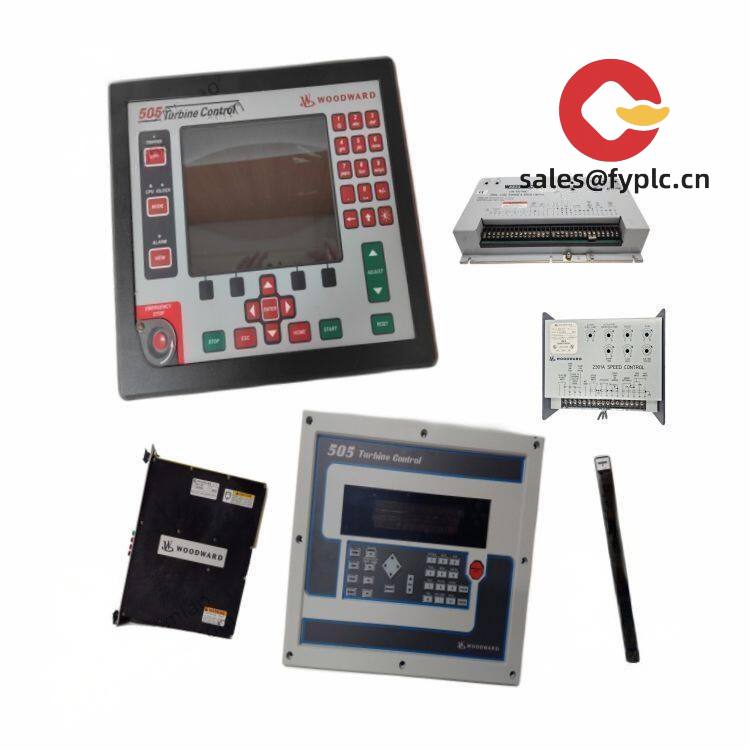
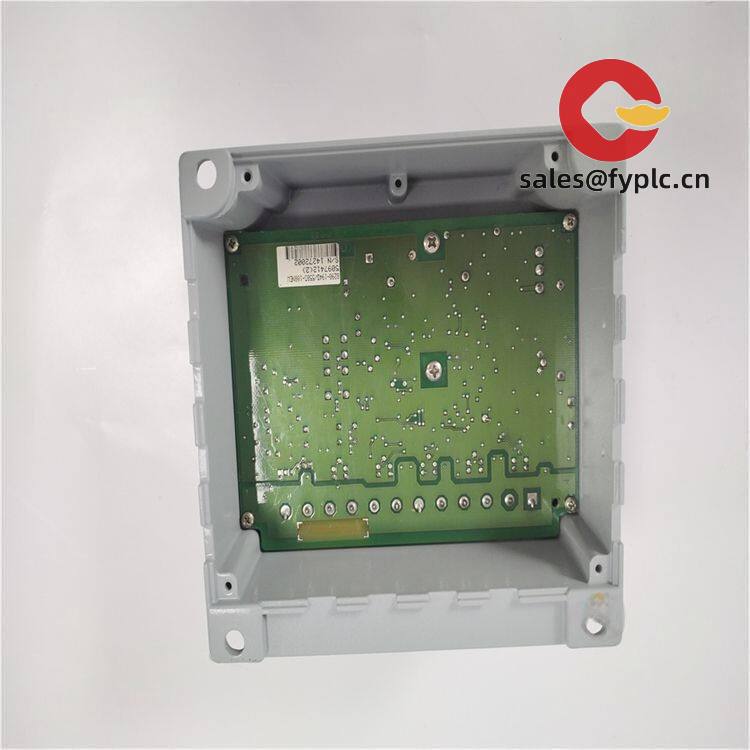
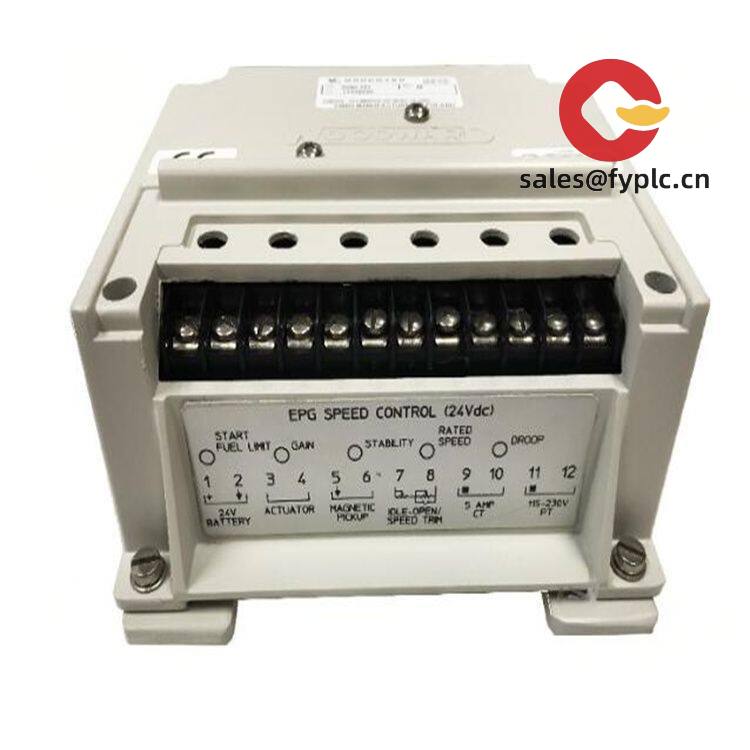
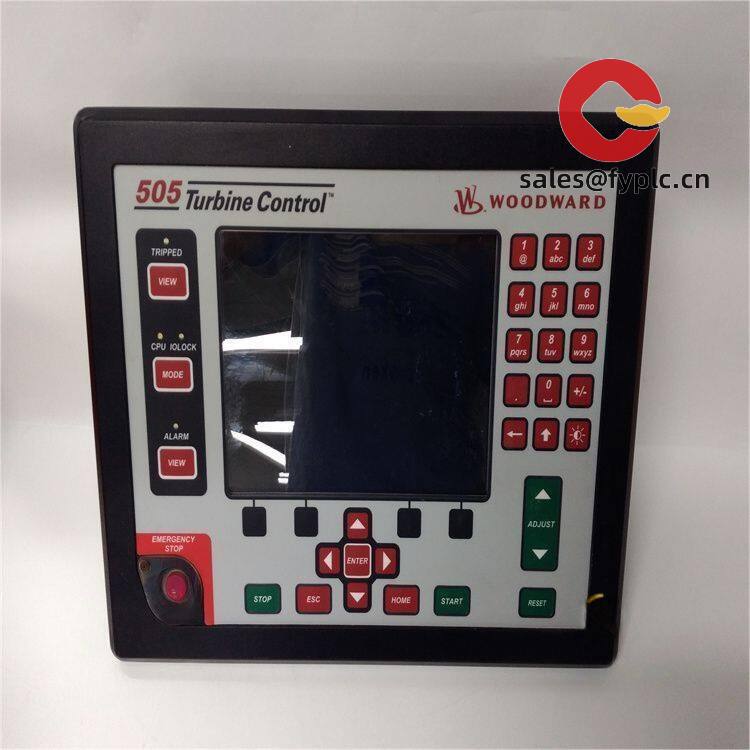
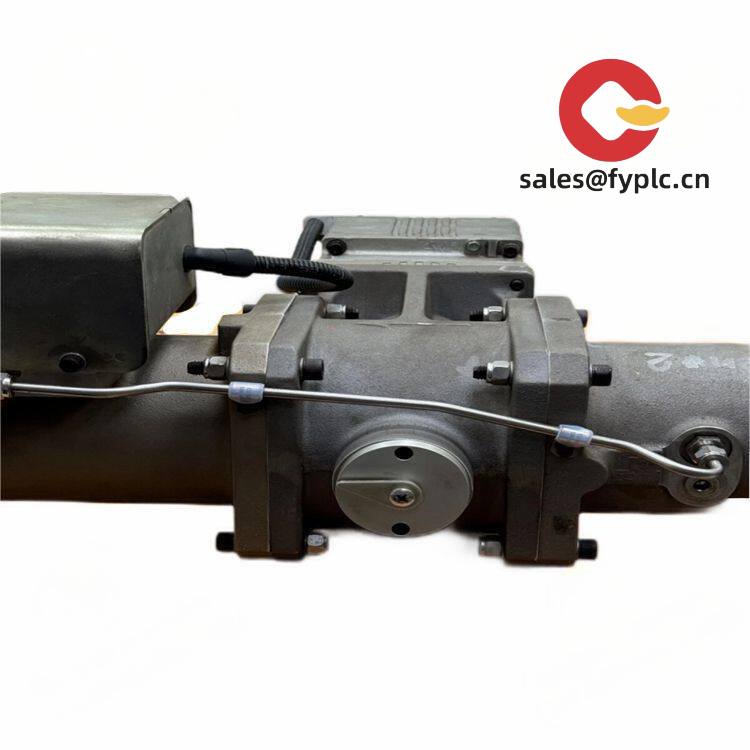
The Woodward 8290-195 is widely used as a speed and load-sharing control for prime movers—diesel and gas engines on generator sets, pumps, and compressors. From my experience, it’s a dependable fit where you need stable isochronous speed control with the option to run in droop and coordinate load sharing with other units. You might notice that it drops into many retrofit projects without major changes to actuators or wiring practice, which is often where unexpected costs creep in.
Order Placement Process & Guarantees
- Warranty period: 365 days
- Delivery time: 1 week for in-stock items; no more than one month at the latest
- Payment: 50% advance payment; full payment before delivery
- Express options: FedEx, UPS, DHL
Key Features
- Isochronous/Droop speed control – Provides tight steady-state speed in isochronous mode; droop mode is available for paralleling and load sharing.
- MPU speed pickup input – Accepts a standard magnetic pickup from the flywheel ring gear for precise speed feedback.
- Actuator current output – Drives Woodward-type electric actuators (typically 0–200 mA), giving quick response and stable control.
- Load sharing capability – Interfaces to a load-sharing line so multiple gensets can share kW proportionally in many cases.
- Remote speed trim – Supports external speed setting/trim (commonly 4–20 mA or low-voltage analog), making operator adjustments straightforward.
- Stability and gain adjustments – Onboard trimmers for droop, gain, and stability help you tune out hunt without over-damping.
- Rugged control for industrial environments – Designed for cabinet installation in engine rooms and plant floors, where electrical noise is a reality.
Technical Specifications
| Brand / Model | Woodward 8290-195 |
| HS Code | 9032.89 (Automatic regulating or controlling instruments and apparatus) |
| Power Requirements | 24 VDC nominal (typically 18–32 VDC) |
| Signal Input/Output Types | Magnetic Pickup (MPU) speed input; actuator current output (approx. 0–200 mA); analog load-sharing line; remote speed trim (e.g., 4–20 mA or low-voltage analog, model dependent) |
| Communication Interfaces | Analog I/O; no fieldbus/serial comms on this variant |
| Operating Temperature | Typically −40 to +70 °C (application/environment dependent) |
| Dimensions & Weight | Panel/cabinet-mounted controller format; compact module footprint |
| Installation Method | Panel/cabinet mount with screw fasteners; wiring via terminal strip |
Note: For critical replacements, it’s best to confirm the exact P/N and configuration on your nameplate; Woodward families have close variants.
Application Fields
- Diesel and gas generator sets running in parallel with other gensets or utility
- Pumps and compressors requiring tight speed regulation and soft load transfer
- Marine propulsion and auxiliary gensets where droop/isochronous modes are both needed
- Industrial engines in oil & gas, mining, and process industries
Advantages & Value
- Proven reliability – These controls are known to run for years with minimal drift when installed correctly.
- Compatibility – Works with common Woodward actuators and MPU sensors, simplifying spares holding.
- Easy retrofit – Typically reuses existing wiring practices (shielded MPU lines, actuator loops), reducing downtime.
- Lower lifecycle cost – Stable control reduces mechanical wear and fuel consumption during load changes.
- Supportable in the field – Front-panel adjustments mean less laptop time and faster commissioning.
Installation & Maintenance
- Cabinet & environment – Mount in a dry, ventilated control cabinet (typically IP54 or better); avoid vibration hot-spots and heat sources.
- Wiring – Use shielded twisted pair for the MPU; keep sensor and actuator wiring separated from high-voltage cabling; ensure a single-point ground.
- Actuator loop – Verify actuator current ratings and linkage freedom before tuning.
- Tuning – Start with conservative gain/stability settings, then bring the unit to load and fine-tune droop and stability to eliminate hunt.
- Safety – Lock-out/tag-out the prime mover; confirm failsafe fuel shutoff before live tests.
- Routine maintenance – Inspect terminations quarterly, clean dust, check sensor gaps, and verify speed calibration after any mechanical work.
- Firmware/updates – If applicable to your sub-variant, apply approved updates during planned outages only.
One thing I appreciate is how predictable the tuning process is—most teams report a stable setpoint within a short commissioning window. A marine operator recently mentioned it dropped straight into an older panel and shared load cleanly after a brief trim adjustment.
Quality & Certifications
- Manufacturer quality systems typically aligned with ISO standards
- CE marking applicable to many Woodward control modules
- RoHS conformity for electronic assemblies, where designated
- Standard manufacturer warranty practices apply; sales warranty provided: 365 days
If you share the exact engine model, actuator type, and whether you’re paralleling with other units, we can double-check the 8290-195 fit and include any recommended accessories (MPU, wiring kits, or replacement actuators) to streamline commissioning.

Reviews
There are no reviews yet.