
Description
Woodward BUM60-1224-54-B-001-VC-A0-0093-0013-G003-000 – Base Unit Module for 12/24 VDC Engine & Gen-Set Control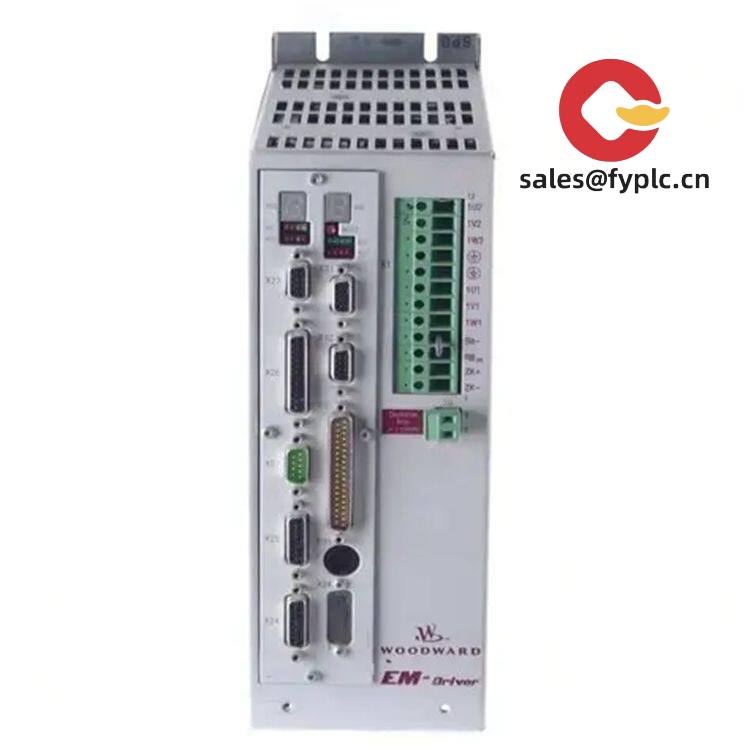
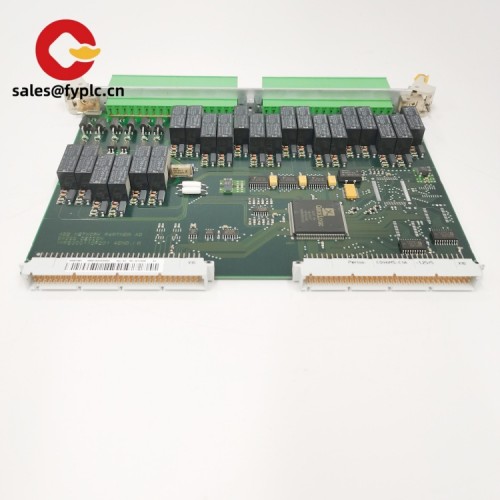
The Woodward BUM60-1224-54-B-001-VC-A0-0093-0013-G003-000 is a base unit module designed for 12/24 VDC systems, typically used in engine and generator control panels. From my experience, BUM-series units are picked when you want dependable power input handling, a robust I/O foundation, and clean integration with CAN/Modbus networks without overcomplicating the cabinet layout. This variant code points to a 12/24 VDC power domain with a compact footprint—ideal for genset packages, pump/compressor skids, and retrofit programs where wiring time and commissioning risk need to stay low.
Company’s Order Placement Process and Guarantees
- Warranty period: 365 days
- Delivery time: 1 week for in-stock items; no more than one month at the latest
- Payment: 50% advance payment, full payment prior to delivery
- Express delivery options: FedEx, UPS, DHL
Key Features
- 12/24 VDC wide-range input – Works reliably on mobile and stationary systems with typical 9–32 VDC tolerance.
- Industrial-grade I/O foundation – Discrete and analog channels for engine, genset, or balance-of-plant signals (counts vary by option code).
- Communications-ready – CAN (J1939) and RS‑485 Modbus support on many variants for easy PLC/SCADA tie-in.
- DIN-rail friendly design – Compact housing that fits standard EN 60715 rails for fast cabinet build and service access.
- Noise immunity – Designed for electrically noisy environments found around engines and switchgear, which, in many cases, reduces nuisance trips.
- Serviceability – Front-access wiring and clear labeling typically help technicians complete swap-outs in under an hour.
Technical Specifications
The details below reflect common parameters for the BUM60 12/24 VDC variant; exact I/O and ports may vary by option code indicated in the full model string.
| Brand / Model | Woodward / BUM60-1224-54-B-001-VC-A0-0093-0013-G003-000 |
| HS Code | 8537.10 (Boards, panels, consoles for electric control <= 1000 V) |
| Power Requirements | 12/24 VDC nominal (typically 9–32 VDC), < 15 W consumption in most cases |
| Dimensions & Weight | Approx. 160 × 105 × 45 mm; ~0.5 kg (typical enclosure for this series) |
| Operating Temperature | -20°C to +70°C (non-condensing), typical for industrial cabinet mounting |
| Signal I/O Types | Discrete inputs (dry contact/24 VDC), analog inputs (0–5 V / 4–20 mA), relay or low-side outputs; variant dependent |
| Communication Interfaces | CAN (SAE J1939), RS‑485 (Modbus RTU) – where fitted by option code |
| Installation Method | DIN‑rail (EN 60715) or panel mount inside an IP54+ control cabinet |
Application Fields
Typical deployments are in engine-driven equipment and power systems where reliable low-voltage control hardware is essential. You might notice that it drops into brownfield panels without much rework, which is a real time-saver during outages.
- Generator set control and monitoring (standby, prime power, parallel-ready panels)
- Pump and compressor skids for oil & gas, water, and industrial process
- Industrial engines (diesel/gas) with J1939 integration requirements
- Small turbine and CHP auxiliaries where compact DIN-rail electronics are preferred
Advantages & Value
- Reliability – Woodward hardware is known for stable operation near engines and switchgear; fewer nuisance trips in many cases.
- Compatibility – Plays well with J1939 engines, Modbus RTU devices, and common PLC/SCADA setups.
- Cost of ownership – DIN-rail form saves panel space; reduced wiring time often translates to lower install costs.
- Supportability – Clear labeling and service ports make field diagnostics and swap-outs straightforward for technicians.
Installation & Maintenance
From my experience, most issues come from grounding and wiring rather than the module itself. A clean cabinet build and proper shielding typically pay off immediately.
- Cabinet – Install on DIN‑rail inside an IP54 or better enclosure with good ventilation; keep away from high-frequency drives where possible.
- Power – Use a clean 12/24 VDC supply; include reverse-polarity and surge protection. Separate power and signal returns to minimize noise.
- Wiring – Follow proper segregation: power, I/O, and comms. Use shielded twisted pair for CAN/RS‑485 and ground the shield at one point.
- Safety – De-energize circuits before service, verify lockout/tagout, and observe EMC bonding practices.
- Routine checks – Inspect terminals for torque and oxidation every 6–12 months; verify I/O calibration if analog loops are used.
- Cleaning – Keep vented enclosures dust-free; avoid corrosive atmospheres or seal the cabinet to suit.
- Firmware/config – Apply updates during scheduled outages only; back up configuration before changes.
Quality & Certifications
- CE compliant and typically UL/cUL listed for industrial control equipment
- RoHS-compliant materials, manufacturer operates under ISO 9001 quality systems
- Manufacturer warranty terms generally 12 months; our coverage: 365 days
Suggested Supporting Components
- Magnetic pickup speed sensor (MPU) – Standard 2‑wire MPU for engine flywheel sensing; pairs well with Woodward engine control logic.
- Proportional electric actuator – 24 VDC actuator for fuel rack or throttle control; sized to your engine’s torque requirement.
- CAN bus termination kit – 120 Ω terminators and shielded network cable for stable J1939 communications.
- RS‑485 surge protection – DIN‑rail transient suppressors to protect Modbus RTU links in noisy environments.
- 24 VDC power conditioner – EMC-filtered supply to ensure clean power during cranking and load transients.
What customers usually tell me: “It was a straight swap—same footprint, wiring landed easily, and the CAN comms came up immediately.” That seems to be the norm when replacing older base modules in mixed 12/24 VDC panels.

Reviews
There are no reviews yet.