
Description
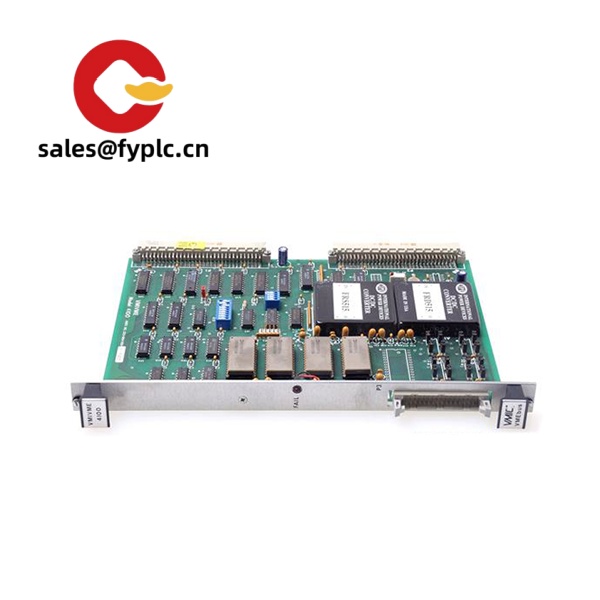
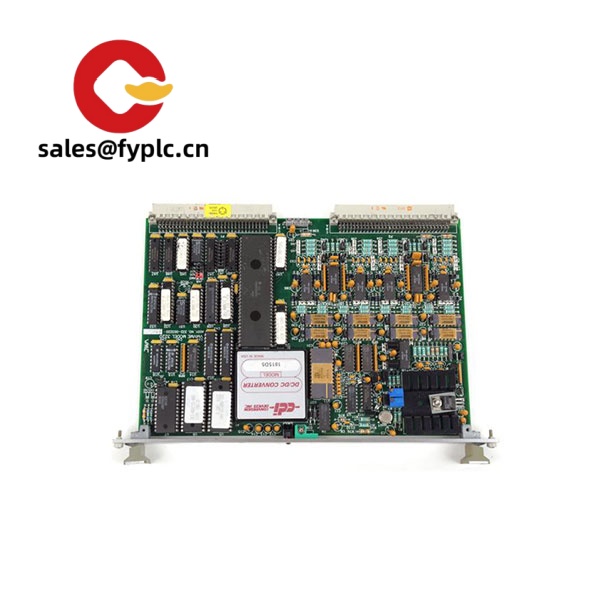
XYCOM XVME-110 – VME I/O Board for Industrial Automation and Legacy System Upgrades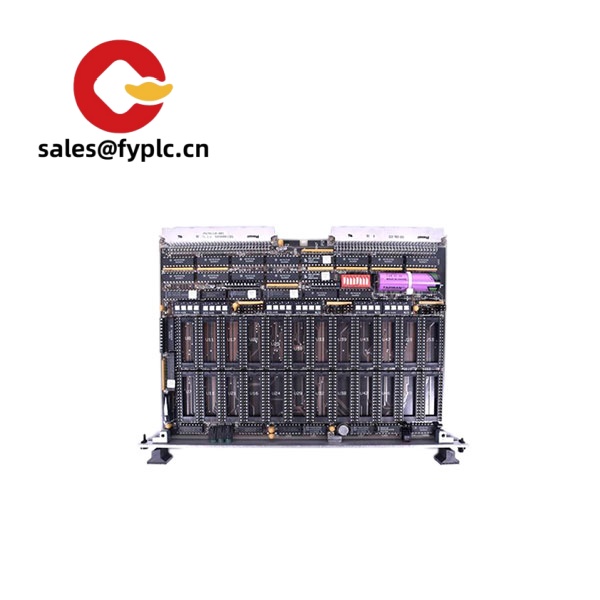
The XYCOM XVME-110 sits in that sweet spot for maintaining and expanding proven VME-based control systems. From my experience, plants keep these in service because they’re stable, easy to swap, and integrate cleanly with existing VME backplanes. The XVME-110 is typically deployed for general-purpose I/O in machine control, test stands, and data acquisition lines where dependable discrete interfacing is more valuable than flashy features. You might notice that it follows standard 6U VME mechanics, so installation into a 19-inch VME chassis is straightforward and tool-light.
Order Placement Process and Guarantees
- Warranty: 365 days
- Delivery: 1 week if in stock; no more than one month at the latest
- Payment: 50% advance payment; full payment prior to delivery
- Express options: FedEx, UPS, DHL
- Each unit is function-tested before shipment and packed for anti-static and vibration protection
Key Features
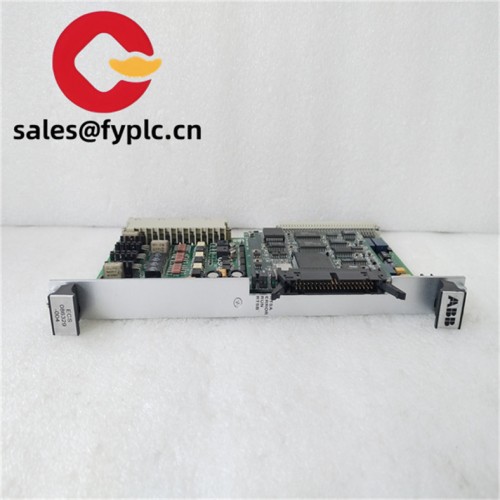
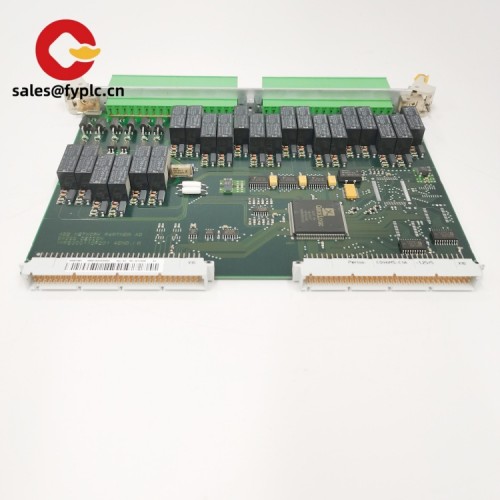
- VMEbus compliant, 6U single-slot form factor – Fits standard 19-inch VME enclosures; quick field replacement.
- Stable discrete I/O interfacing – Commonly used for machine start/stop signals, limit switches, and interlocks in many cases.
- Backplane power – Draws from the VME backplane; simplifies cabinet wiring and reduces external PSUs.
- Status indication (by board revision) – You might notice onboard LEDs that make diagnostics and commissioning faster.
- Field cabling via front panel – Clean, serviceable access for harnesses or termination panels.
- Long lifecycle support – Ideal for sustaining legacy lines where requalification of a new platform is costly.
Technical Specifications
| Brand / Model | XYCOM XVME-110 |
| HS Code | 853890 (Parts for electrical control equipment) |
| Power Requirements | VME backplane supply, typically +5 VDC; consumption varies by configuration/revision |
| Dimensions & Weight | 6U VME Eurocard; approx. 233.35 mm (H) × 160 mm (D); single-slot width; weight typically 0.4–0.7 kg |
| Operating Temperature | Typically 0 to 50°C (consult specific board revision for exact rating) |
| Signal Input/Output Types | General-purpose discrete I/O via front-panel connector; VMEbus data/control over backplane |
| Communication Interfaces | VMEbus backplane interface |
| Installation Method | Mounts in a 19-inch VME chassis; 6U slot; field wiring via front-panel cabling/terminal accessories |
Where it typically fits
Plants use the XVME-110 to keep established VME lines running—press controls, packaging cells, and endurance test rigs. One thing I appreciate is how easily it drops into an existing slot when you’re doing a like-for-like replacement during a shutdown. A maintenance manager we support mentioned that addressing and I/O checks take “minutes, not hours” when the harnessing stays the same.
Related or Supporting Products
- XYCOM XVME-212 – Multiport serial interface board (often paired when both discrete I/O and serial devices are on the same VME crate).
- XYCOM XVME-240 – Analog I/O module for process signals when you need voltage/current channels in addition to discrete I/O.
- XYCOM XVME CPU boards (various models) – If you’re refreshing the controller side while keeping existing I/O.
- VME 6U chassis, power supplies, and field termination panels – Supporting hardware for clean wiring and reliable backplane power.
If you’re replacing an older revision, we can usually confirm connector pinout compatibility and any minor jumper changes before you order.
Installation & Maintenance
- Cabinet and chassis: Use a standard 19-inch VME enclosure with adequate airflow; maintain at least 25 mm clearance for convection.
- Power and grounding: Verify clean VME backplane power and proper chassis bonding; avoid sharing noisy loads with drives.
- Addressing and jumpers: Set base address and interrupt settings (if applicable) before power-up; label settings for future service.
- Wiring: Route field cables away from high-frequency drives; use shielded cable for long runs and bond shields at one end to minimize ground loops.
- Safety: De-energize the chassis, let capacitors discharge, and use ESD protection when inserting/removing the board.
- Routine maintenance: Quarterly dust cleaning with dry air; inspect connector wear; review firmware/driver notes if your controller OS was updated.
- Commissioning: From my experience, a quick loopback or point-to-point I/O test saves time later—verify each channel before putting the machine in auto mode.
Quality & Certifications
- Certifications: Typically CE; UL recognition may apply by revision; RoHS compliance depends on production date (legacy models may predate RoHS).
- Manufacturing quality: Industrial-grade PCB assembly suited for long duty cycles in control cabinets.
- Warranty: 365 days from shipment, with advance functional testing and traceable inspection records.

Reviews
There are no reviews yet.