
Description
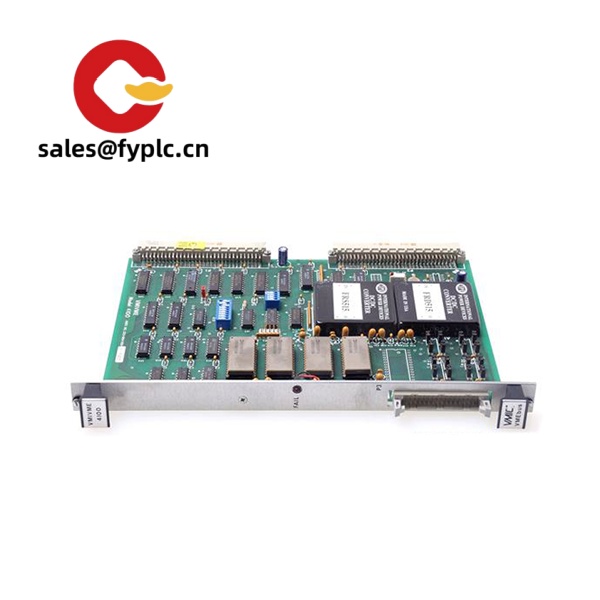
XYCOM XVME-1641 – VMEbus I/O Interface Module for Industrial Control Racks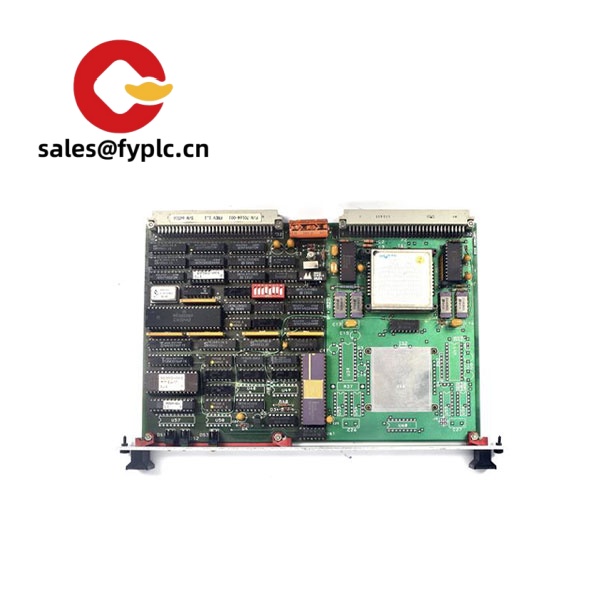
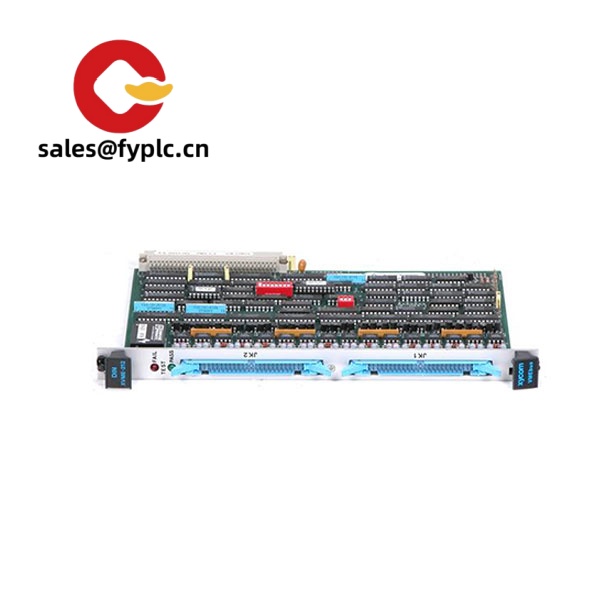
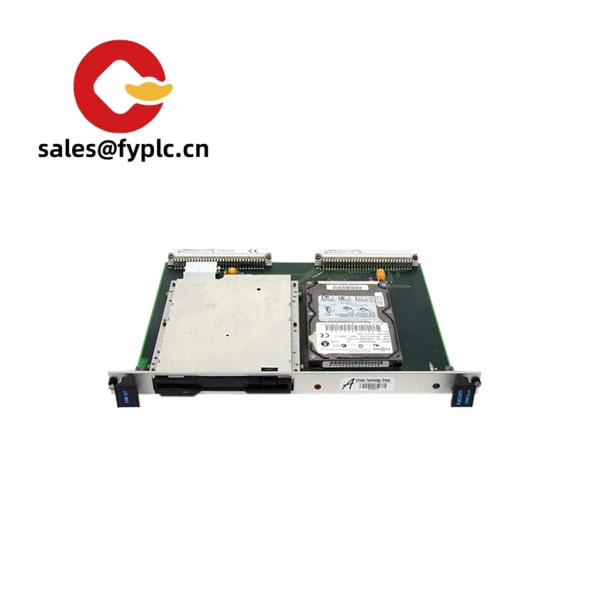
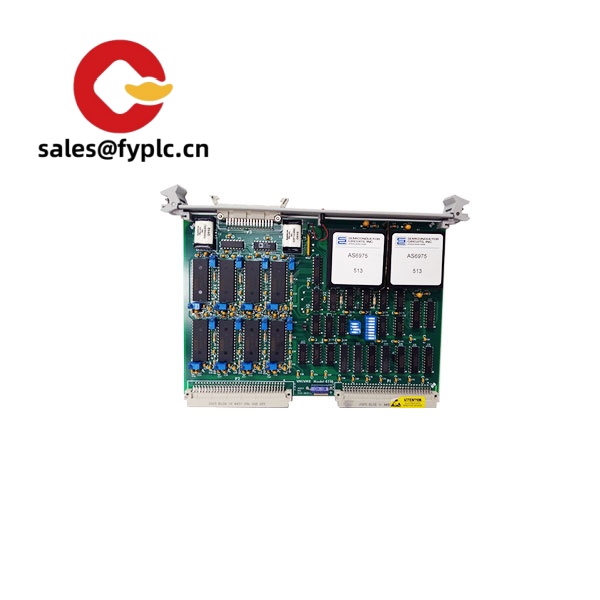
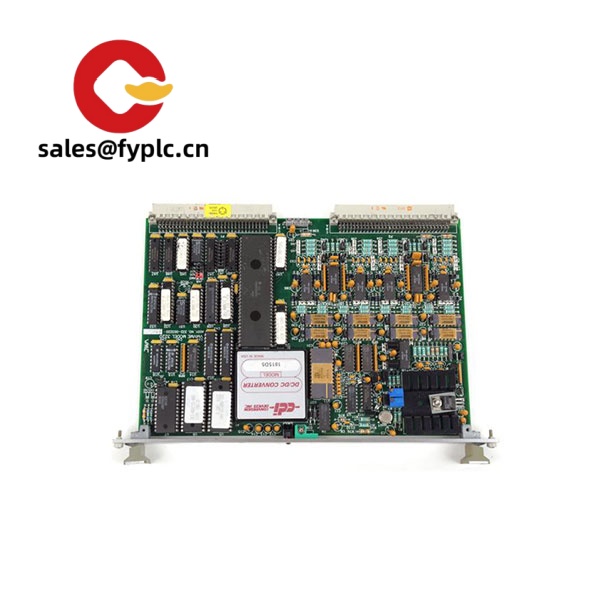
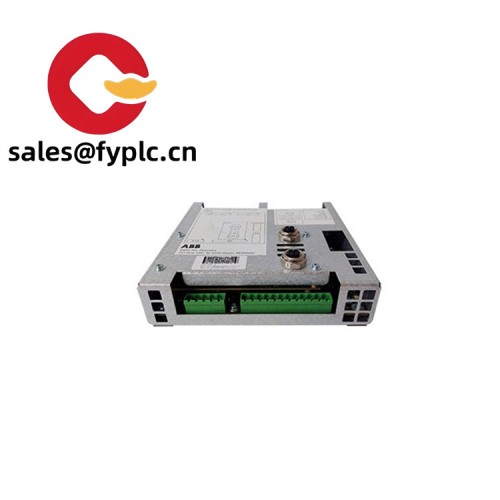
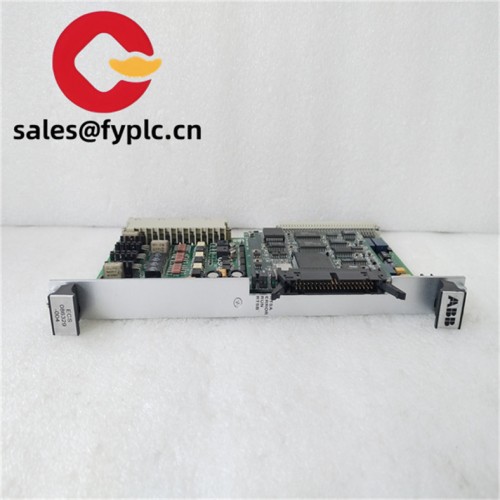
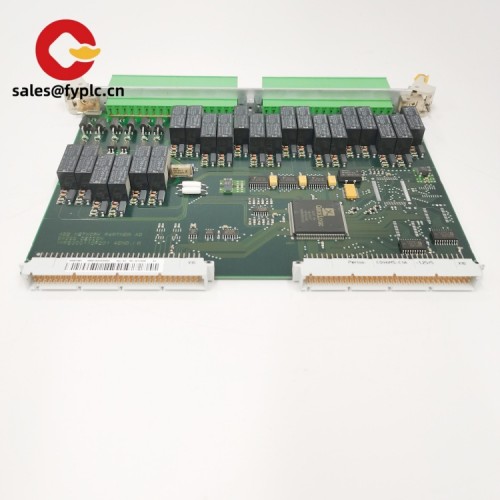
The XYCOM XVME-1641 is a VMEbus I/O interface card designed for 6U VME racks, typically used to bring field signals into a VME-based controller. From my experience with Xycom’s VME line, the 16xx family is commonly deployed for high‑density field I/O in factory automation, test stands, and legacy system expansions where stability matters more than trendiness. You might notice that integrators choose this board when they need a dependable way to bridge sensors, discrete devices, or serial peripherals with a VME CPU in an industrial cabinet.
Order Placement Process and Guarantees
- Warranty: 365 days
- Lead time: 1 week for in‑stock items; no more than one month at the latest
- Payment: 50% advance payment; full payment prior to delivery
- Express options: FedEx, UPS, DHL
Key Features
- Standard 6U VME form factor – Fits directly into a 6U VME chassis slot for fast integration with existing backplanes.
- Backplane-powered – Draws power from the VME backplane (typically +5 VDC; ±12 VDC may be used depending on I/O), which simplifies cabinet wiring.
- High-density field I/O – Commonly used for discrete signals or serial interfacing to legacy equipment; ideal when you need a lot of channels in a single slot.
- Front-panel connectivity – Field signals are cabled at the front panel to transition/terminal boards, making service work straightforward.
- Industrial temperature range – Suitable for controlled cabinets in production lines and test cells; in many cases 0–55 °C operation is standard.
- Rack-friendly serviceability – You might notice status indicators and labeling on Xycom VME cards that speed up troubleshooting during commissioning.
Technical Specifications
| Brand / Model | XYCOM XVME-1641 |
| HS Code | 8538.90 (Parts suitable for apparatus of heading 8537 – industrial control assemblies) |
| Power Requirements | VME backplane power; typically +5 VDC (±12 VDC as required by I/O configuration) |
| Dimensions & Weight | 6U VME card (approx. 233 × 160 mm); approx. 0.6–0.8 kg |
| Operating Temperature | 0 to 55 °C, 5–95% RH non‑condensing (typical for cabinet installation) |
| Signal I/O Types | High-density field I/O via front‑panel connectors; exact I/O mix depends on specific build/configuration |
| Communication Interfaces | Standard VMEbus backplane interface to host CPU |
| Installation Method | 6U VME slot mounting with front‑panel retention; field wiring via shielded cables to terminal/transition boards |
Where it fits best
Typical uses include tying photoelectric sensors, relays, valve manifolds, or legacy serial devices back to a VME controller in packaging lines, automotive fixtures, or endurance test rigs. One thing I appreciate is how consistent Xycom’s VME hardware tends to be across generations—making replacements or expansions less painful than you’d expect for legacy platforms.
Related or Supporting Products
- 6U VME CPU board (for example, Motorola/GE or Xycom VME CPUs) – Hosts the application and communicates with the XVME-1641 over the backplane.
- VME 6U chassis and backplane (8–14 slots) – Provides power, cooling, and slot infrastructure.
- Front‑panel terminal/transition boards – Break out the high‑density connector(s) to screw terminals for clean field wiring.
- Shielded I/O cables (50‑pin/68‑pin, depending on front‑panel connector style) – Reduces noise pickup and helps with CE/EMC in cabinet builds.
- Comparable VME I/O modules from Acromag or SBS/GE (where interface compatibility allows) – Useful when standardizing spares across mixed racks.
If you’re swapping a failed card in an existing rack, share the exact front‑panel connector type and any option codes—the XVME‑1641 appears in multiple build variants in the field.
Installation & Maintenance
- Cabinet & rack – Use a 19″ VME enclosure with adequate airflow; keep inlet air below the specified temperature (typically ≤55 °C inside the rack).
- Power budgeting – Confirm +5 V and ±12 V rail capacity on the backplane; VME slots share current, so leave margin for inrush and aging.
- Wiring – Route field I/O in shielded cable bundles; bond shields at the cabinet side, and segregate high‑voltage or VFD motor leads from low‑level signals.
- ESD & handling – Handle only with ESD protection; seat the card straight into the guides and secure the front‑panel screws to prevent vibration‑related intermittents.
- Maintenance – Every 6–12 months, inspect connectors, re‑seat edge contacts, remove dust with dry air, and check for loose terminal screws. Firmware updates are not typically required on this class of I/O board.
- Spare strategy – In many cases, keeping one spare per rack family reduces downtime; label any calibration or jumper settings before swap.
Quality & Certifications
- CE (EMC) compliance typical for VME I/O modules
- UL/CSA recognition in many installations
- Manufacturer operates under ISO 9001 quality systems (typical for this product family)
- RoHS status may vary by production date; legacy units can be non‑RoHS
- Warranty: 365 days from shipment

Reviews
There are no reviews yet.