
Description
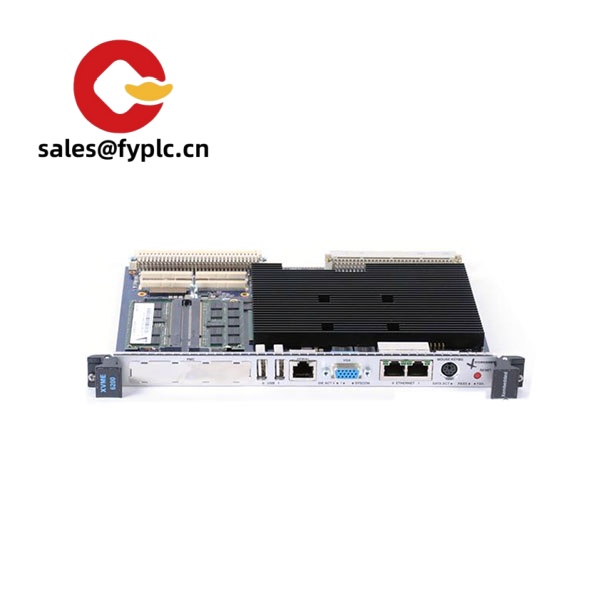
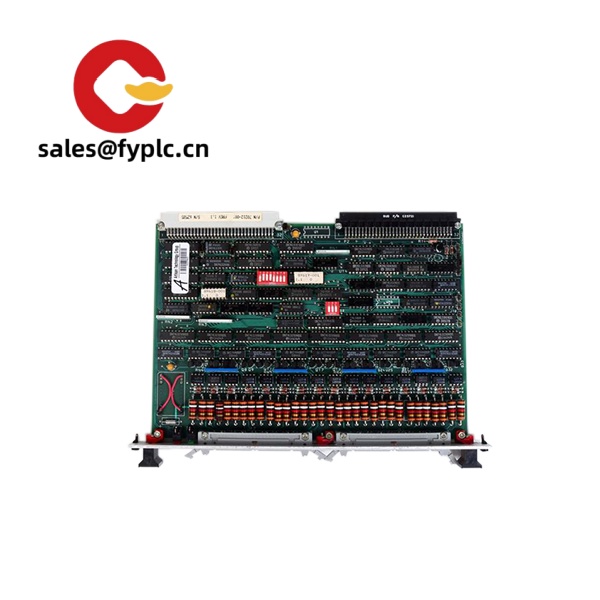
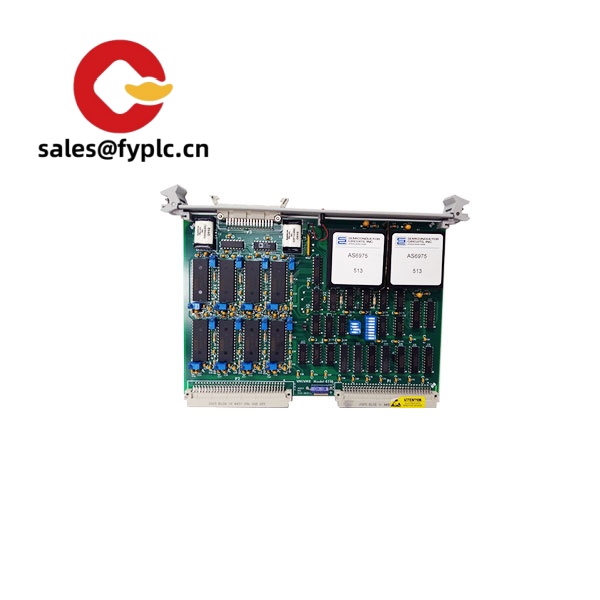
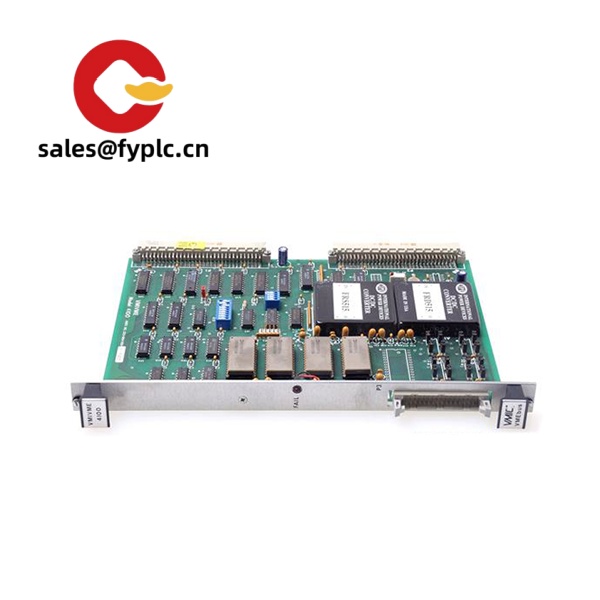
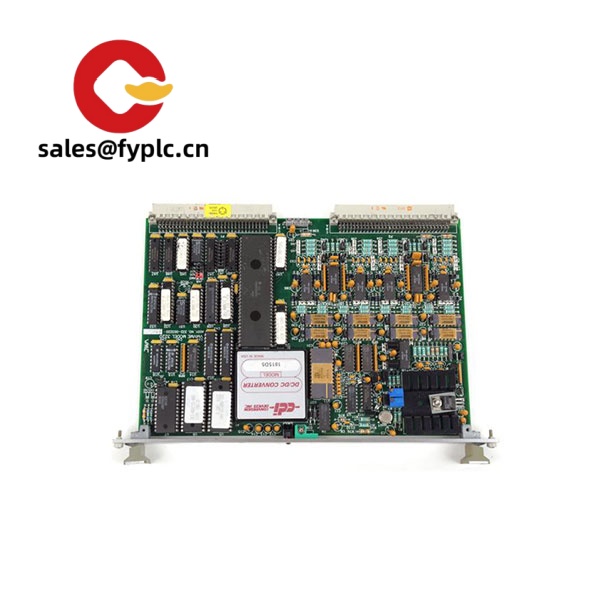
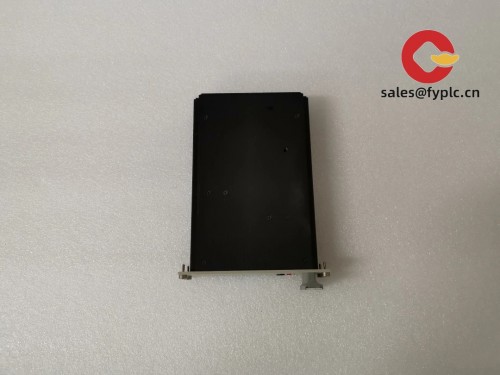
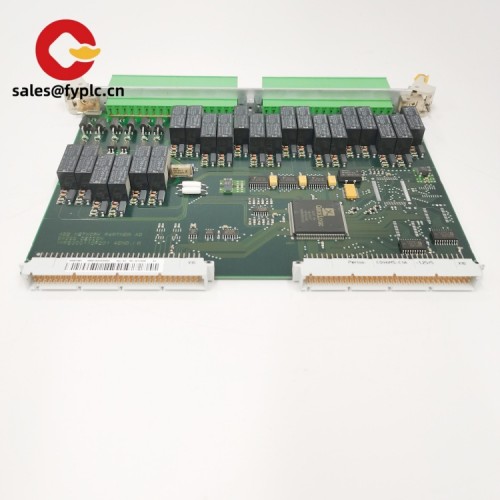
XYCOM XVME-5312 – VMEbus isolated digital I/O for reliable machine and process interlocks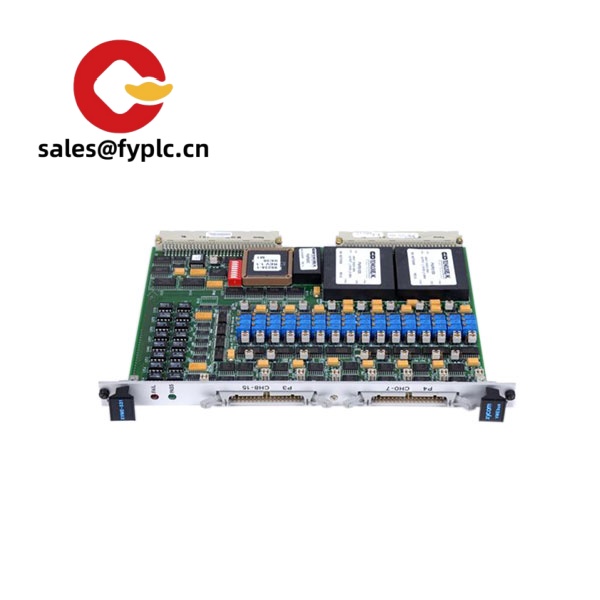
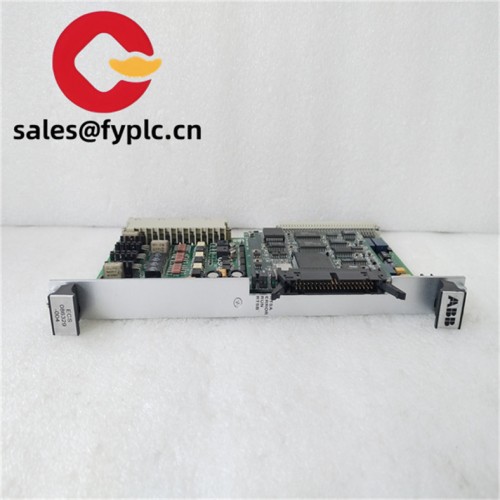
The XYCOM XVME-5312 is part of the classic XVME family, built for 6U VME systems where dependable, noise-immune discrete I/O matters. From my experience, this board is typically used to bring field signals (limit switches, relays, dry contacts, and 24 VDC sensors) safely into a VME controller with opto-isolation and clean interrupt handling. You might notice that it slips into a single backplane slot and just works—no drama—making it a practical choice for life-extensions, retrofit projects, or keeping legacy VME racks productive without re-engineering the whole cabinet.
Our Order Process & Guarantees
- Warranty: 365 days
- Lead time: 1 week when in stock; no more than 1 month at the latest
- Payment: 50% in advance, full payment prior to delivery
- Express options: FedEx, UPS, DHL
- Each unit is function-checked before shipment; ESD-safe packing included
Key Features
- VMEbus 6U form factor – Fits standard 19-inch VME subracks; installs as a single-slot board for straightforward expansion.
- Isolated digital inputs (typical 24 VDC) – Opto-isolated front-end helps reject plant noise and protects the backplane logic.
- Change-of-state and interrupt support – In many cases, the XVME-5312 provides programmable interrupt capability so the CPU only wakes when needed.
- Banked commons for field wiring – Practical when mixing proximity sensors and dry contacts; reduces wiring complexity at the cabinet.
- Deterministic, polled or interrupt I/O – Works in both scan-based applications and event-driven interlocks.
- Industrial temperature and EMC resilience – Typically designed for 0–50°C cabinet environments with good noise immunity.
- Lifecycle-friendly – Ideal for sustaining legacy VME control systems without touching validated software or field terminations.
Technical Specifications
| Brand / Model | XYCOM XVME-5312 |
| HS Code | 8537.10 (Boards/panels for electric control or distribution; VME industrial control module) |
| Power Requirements | +5 VDC from VME backplane; typically <10 W depending on channel loading |
| Dimensions & Weight | 6U VME, 160 mm deep, single-slot; approx. 0.6–0.9 kg typical |
| Operating Temperature | 0 to +50 °C (cabinet ambient), 5–95% RH non-condensing typical |
| Signal Input/Output Types | Isolated digital inputs (commonly 24 VDC discrete); banked commons; front-panel high-density headers to field terminal boards |
| Communication Interfaces | VMEbus interface (A16/A24 address, programmed I/O; interrupt support typically available) |
| Installation Method | 6U VME card; installs into a VME subrack with rear backplane connection; field wiring via front-panel headers to screw-terminal breakout |
Note: Channel count and exact voltage thresholds can vary by XVME-5312 variant. If you’re matching a site spare, sharing the suffix and faceplate photo typically helps confirm the exact option.
Related or Supporting Products
- XYCOM XVME-5300 series – Similar digital I/O boards in the same family; some variants focus on outputs or mixed I/O.
- XYCOM XVME-5320 – Typically a companion digital output module if you need relay or transistor outputs alongside the 5312’s inputs.
- VME 6U chassis and power supplies – Standard 19-inch subracks with adequate +5 V capacity and airflow (Schroff/Elma-type mechanicals).
- 50-pin to screw-terminal breakout boards – For clean cabinet wiring and labeling; choose DIN-rail terminal boards compatible with the front header pinout.
- Shielded ribbon or discrete cable assemblies – Reduces noise pickup in cabinets with VFDs or large contactors.
A maintenance manager who swapped this into an aging packaging line told us the best part was “no software change.” The I/O map lined up as expected and they were back up in under an hour—this seems to be a common theme with XVME replacements.
Installation & Maintenance
- Cabinet & environment – Install in a VME-compliant subrack with continuous airflow; target 0–50 °C. Keep signal cables away from high-voltage and VFD motor leads.
- Backplane & slotting – Seat firmly into the VME connector; check standoffs and injector/ejector levers. From my experience, reseating resolves many intermittent faults.
- Field wiring – Use shielded cable for long runs. Tie shields at one end to avoid ground loops. Observe the module’s common/return and bank grouping.
- Power budgeting – Verify +5 V margin on the VME supply; add up card currents and keep at least 15–20% headroom.
- Safety – De-energize cabinet power before inserting/removing boards. Observe ESD handling with grounded wrist straps.
- Routine checks – Quarterly connector inspection, dust removal with dry air, and verification of critical input thresholds. If firmware or CPLD options exist, keep a backup of the programmed image.
- Diagnostics – Use the CPU’s VME test utility (or a simple polled test app) to confirm address map and interrupt lines before live commissioning.
Quality & Certifications
- CE marking on most production units for EMC and safety (legacy units may vary)
- UL/CSA recognition typically available for the series
- RoHS compliance depends on production date; for legacy spares, non-RoHS versions are common—please specify if RoHS is mandatory
- Manufacturer warranty practices vary by vintage; we provide a 365-day warranty and test report with shipment
If you share your current VME slot map and the exact XVME-5312 front-panel options, we can confirm pinout, channel count, and ship a fully compatible unit with the right breakout accessories.
Reviews
There are no reviews yet.