
Description
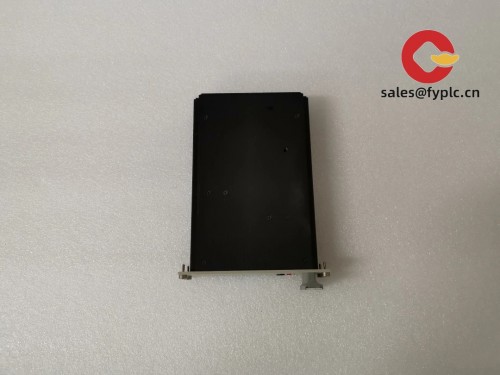
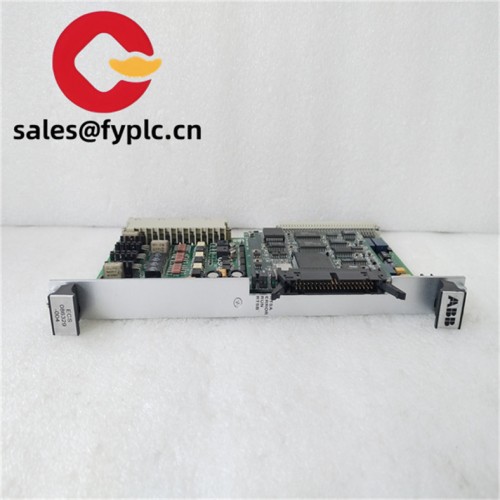
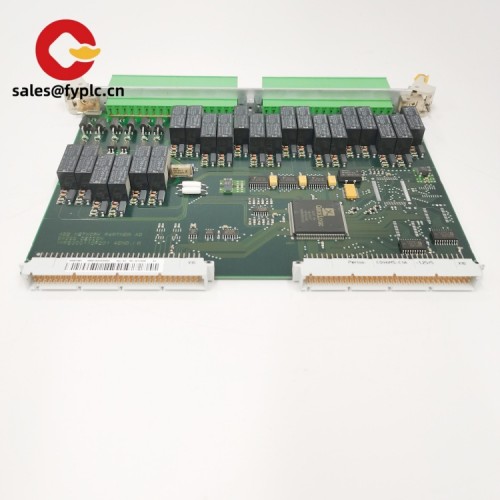
XYCOM XVME-688 VMEbus Single-Board Computer for Industrial Control Upgrades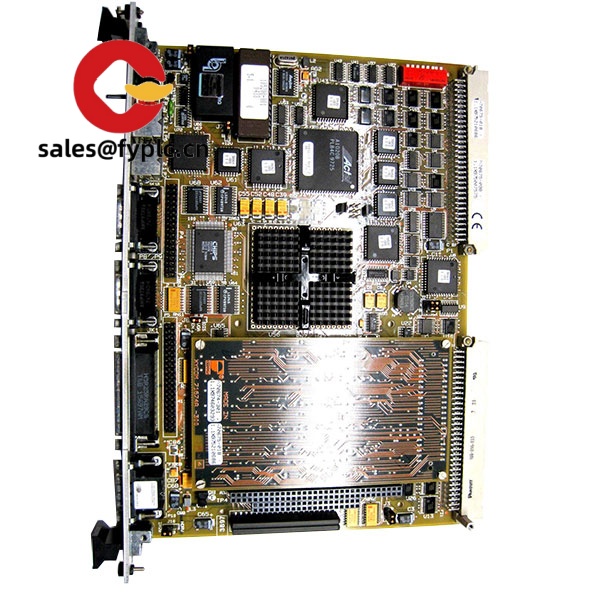
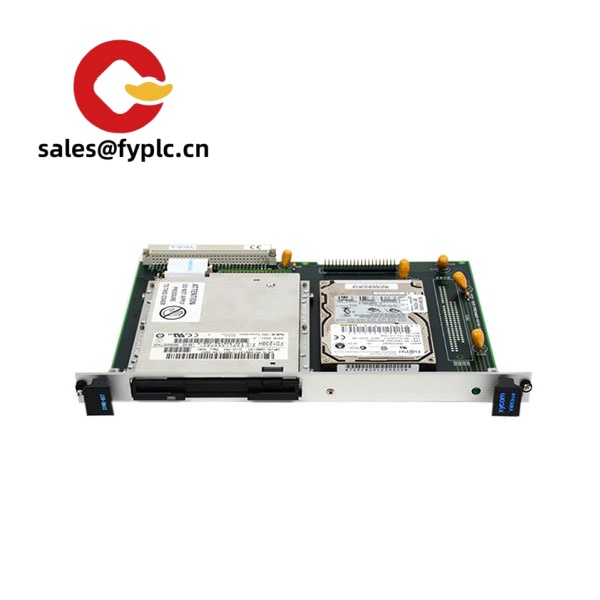
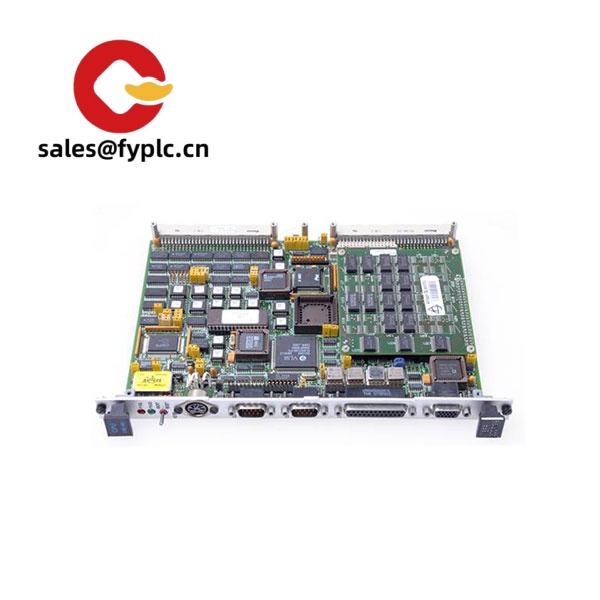
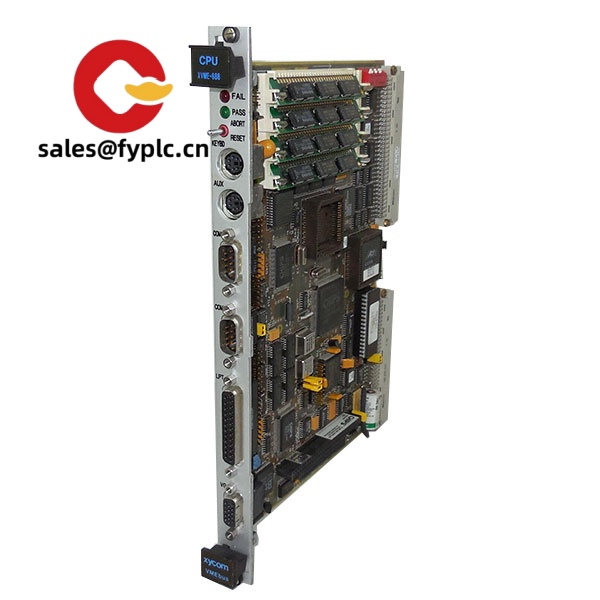
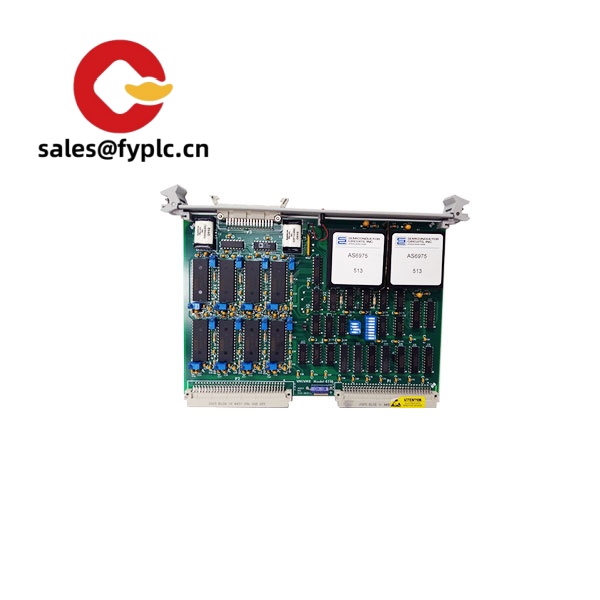
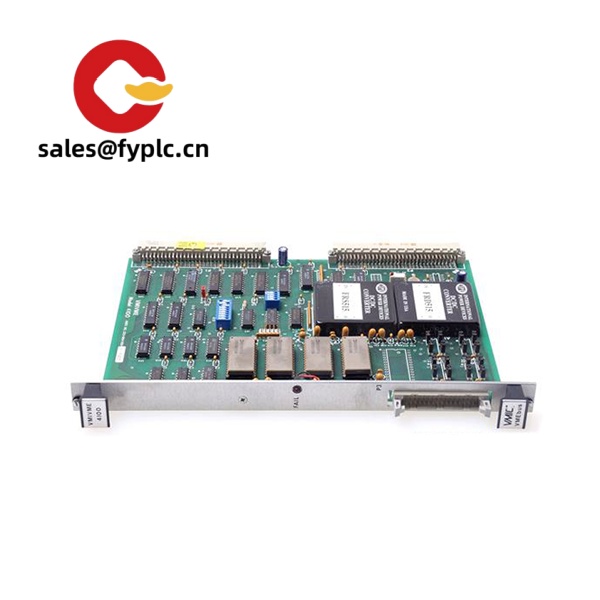
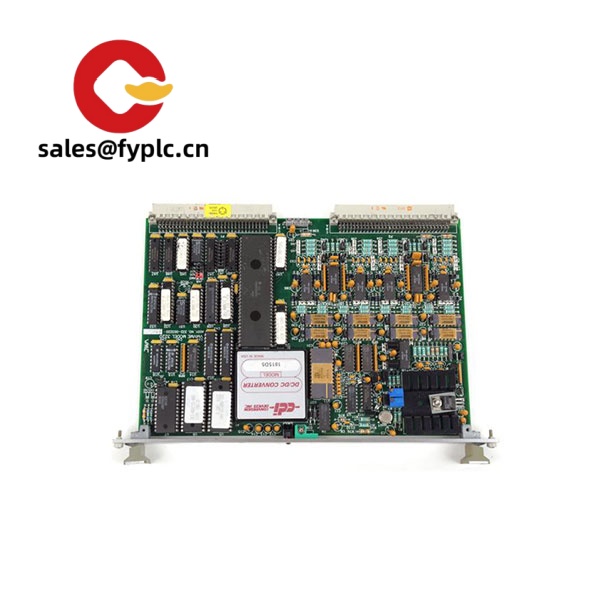
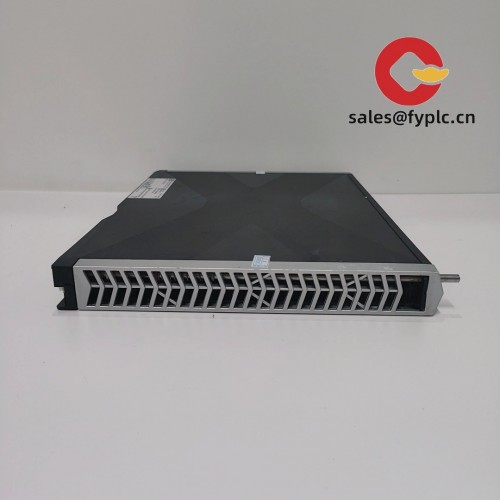
The XYCOM XVME-688 is a 6U VMEbus single-board computer designed for robust, long-life control applications. From my experience, it’s often used as the processing heart of legacy motion systems, test stands, machine tools, and semiconductor equipment where uptime and drop-in compatibility matter more than chasing the newest silicon. You might notice that the XVME-688 typically combines reliable VME master/slave operation with practical I/O—serial ports, legacy video, storage interfaces, and Ethernet on many builds—so it fits neatly into existing racks without rewiring the entire cabinet.
Our Order Process and Guarantees
-
- – Warranty: 365 days from delivery
-
- – Delivery: 1 week if in stock; no more than 1 month latest
-
- – Payment: 50% advance; full balance before delivery
- – Express options: FedEx, UPS, DHL
Key Features
- 6U VMEbus SBC – Standard 6U Eurocard footprint installs directly into existing VME or VME64 racks.
- Industrial-grade design – Built for 24/7 service; stable thermal behavior in ventilated enclosures.
- VME master/slave with interrupts – Supports A16/A24/A32 addressing and D8/D16/D32 transfers in most configurations.
- Practical I/O on-board – Typically includes serial (RS‑232/422), parallel, legacy video (VGA/SVGA), and storage (IDE or SCSI).
- Ethernet availability – Many XVME-688 builds ship with 10Base‑T for plant networking and remote diagnostics.
- Watchdog and RTC – Hardware watchdog and battery-backed real-time clock for deterministic control tasks.
- OS ecosystem for the era – Common deployments ran VxWorks, pSOS, DOS/Windows legacy, or UNIX variants depending on the CPU option.
- Serviceable and field-proven – In many cases, it’s a straightforward replacement to extend equipment life without requalification.
Technical Specifications
| Brand / Model | XYCOM XVME-688 |
| HS Code | 8471.50 (Processing units of automatic data processing machines) |
| Form Factor | 6U VME / Eurocard; P1/P2 connectors; fits standard 19-inch VME or VME64 backplanes |
| Power Requirements | +5 VDC from backplane (typically 3–6 A, configuration-dependent); ±12 VDC as required for onboard I/O |
| Dimensions & Weight | Approx. 233.35 mm (H) × 160 mm (D); ~0.8 kg |
| Operating Temperature | 0 to +55 °C in a properly ventilated chassis; forced-air cooling recommended |
| Signal I/O Types | RS‑232/422 serial (front or rear I/O, variant-dependent), parallel (LPT), VGA/SVGA video, IDE or SCSI storage, PS/2 K/M (typical) |
| Communication Interfaces | VMEbus A16/A24/A32; D8/D16/D32, block transfers; Ethernet 10Base‑T on many configurations |
| Installation Method | Slides into a 6U VME slot; mates to P1/P2 backplane; optional rear transition module for serial/network breakout |
Related or Supporting Products
- XYCOM XVME-654 – 68030-based VME SBC; suitable where a 68K CPU and pure legacy RTOS support are required.
- XYCOM XVME-658 – 68040-based VME SBC; higher performance than 68030 systems with similar VME footprint.
- XYCOM XVME-690 – Pentium-class VME SBC; useful if you need a CPU step-up while staying in the same rack.
- Motorola MVME-162/167 – Commonly used 68K VME alternatives; broad VxWorks and pSOS ecosystem.
- Motorola MVME-177 – PowerPC-based upgrade path; typically faster CPU with extended OS support.
- Standard 6U VME chassis/backplanes – Elma/Schroff VME or VME64 racks with adequate airflow and PSU headroom.
- P2 rear transition modules – For routing serial, Ethernet, or SCSI to the rear; selection depends on the exact XVME-688 I/O mapping.
Installation & Maintenance
- Cabinet and cooling – Use a 6U VME/VME64 chassis with continuous airflow across the card area; keep adjacent slot covers installed to maintain ducting. From my experience, 5 V rail stability and airflow prevent most intermittent faults.
- Power integrity – Maintain +5 V within ±5% at the card edge under load; verify PSU capacity for 5 V and ±12 V rails.
- Wiring and rear I/O – Confirm the P2 pin-out versus the intended transition module; serial/Ethernet mapping can vary by board revision.
- ESD and handling – Use antistatic procedures; insert with power off; check VME address, arbiter, and IRQ jumpers before power-up.
- Routine care – Quarterly dust removal with dry air; reseat connectors annually; back up OS/boot media; replace the CMOS/RTC battery every 3–5 years.
- Firmware and OS – Keep a known-good BIOS/firmware image and boot device; updates are rare on legacy units but documenting the exact version saves time in the field.
Quality & Certifications
- Certifications – Typically CE and UL for industrial environments; manufactured under ISO 9001 quality systems.
- RoHS – Early XVME-688 units predate RoHS; legacy-spare exemptions may apply depending on jurisdiction.
- Warranty – 365-day warranty. Each unit is function-tested before shipment.
Field feedback: A maintenance lead at a packaging plant told us they swapped an XVME-688 into a 12-slot VME rack and were live again in under two hours. The key was matching the rear I/O transition card and confirming the 5 V rail stayed above 4.9 V under load.

Reviews
There are no reviews yet.