
Description
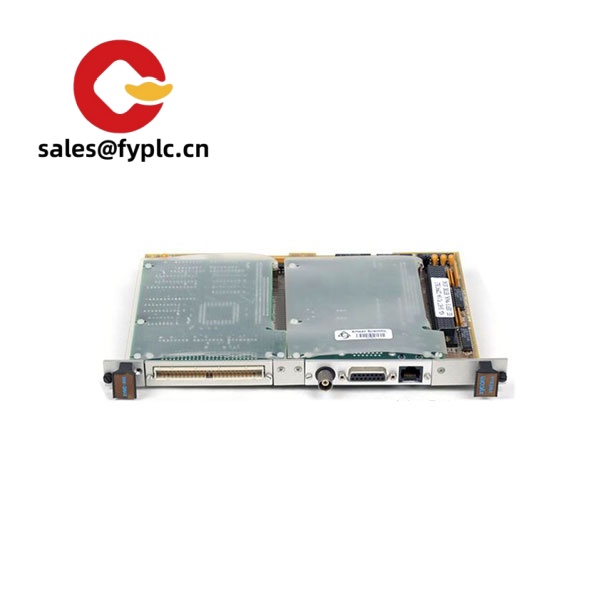
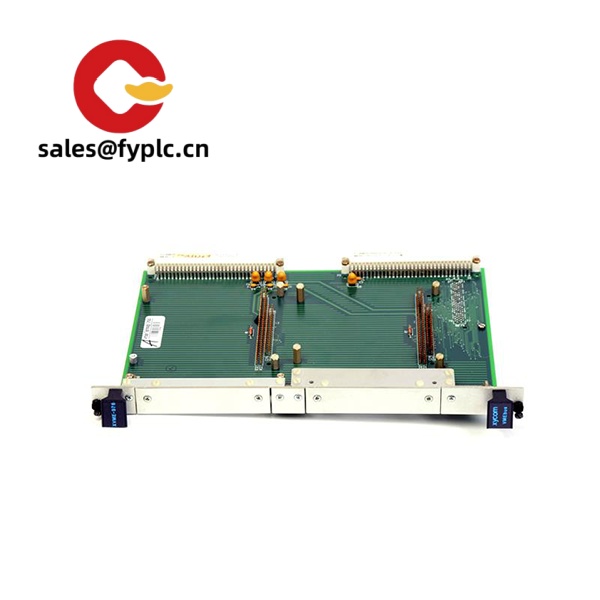
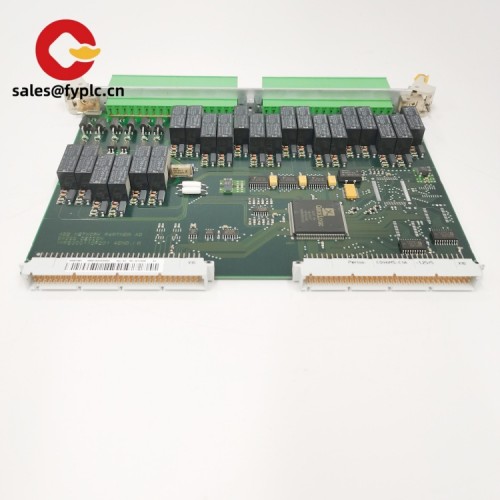
XYCOM XVME-976204 – 4‑Port Serial Communications Board for VMEbus Systems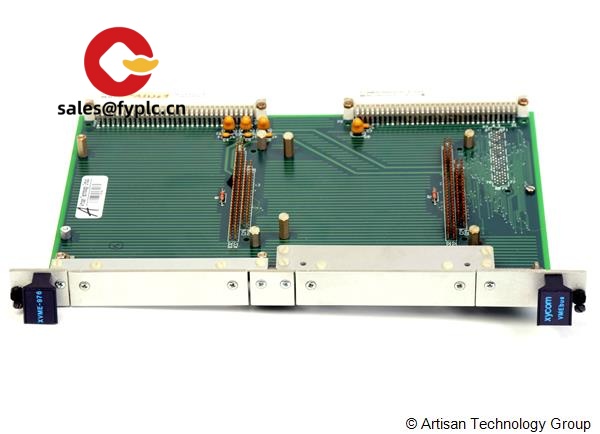
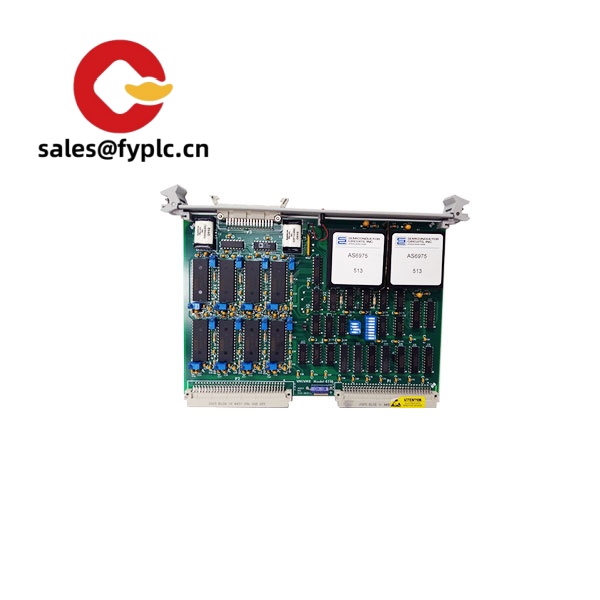
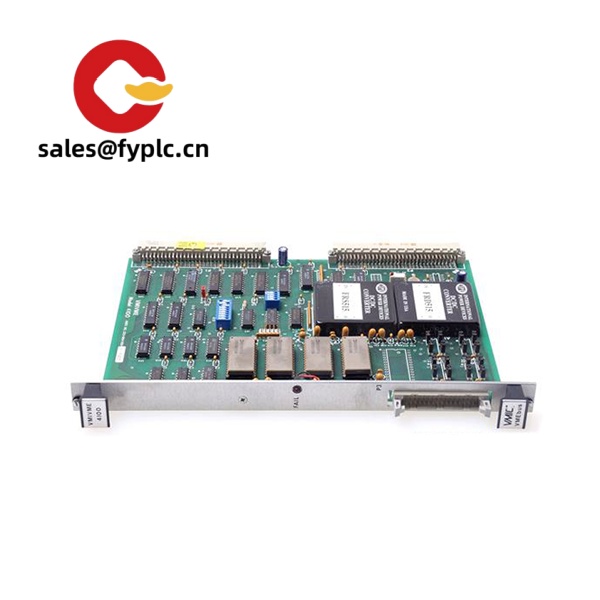
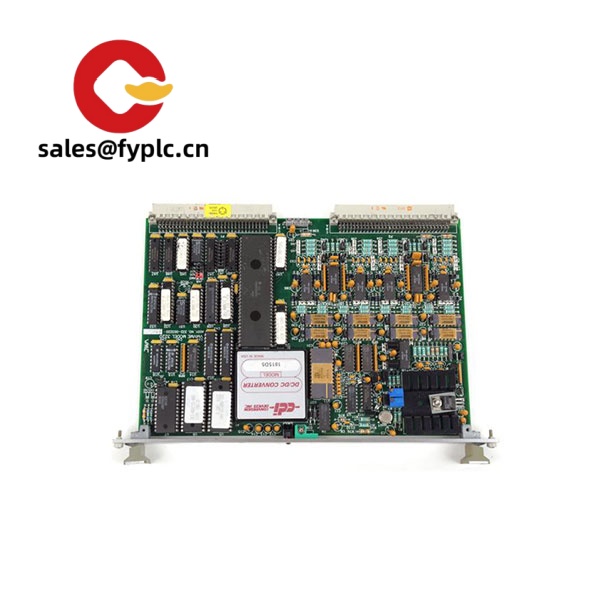
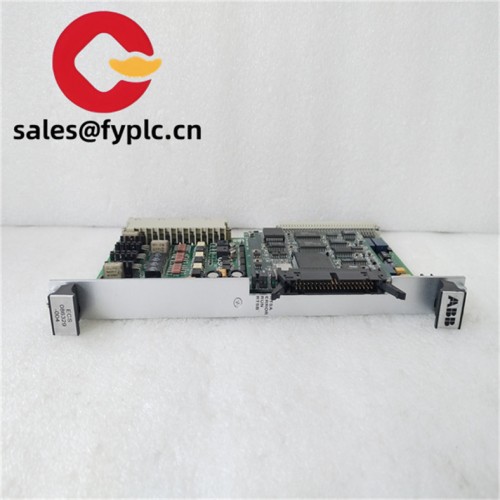
The XYCOM XVME-976204 is a practical choice when you need dependable multiport serial connectivity inside a 6U VME chassis. From my experience, it fits well in brownfield upgrades—especially legacy VxWorks or UNIX-based control systems—where you want to expand or replace RS-232/422/485 ports without changing the host architecture. You might notice that it keeps the essentials straightforward: solid VMEbus integration, per-port configuration flexibility, and stable long-term operation.
Order Placement Process and Guarantees
- Warranty: 365 days
- Lead time: In-stock items typically ship within 1 week; not more than 1 month at the latest
- Payment: 50% advance payment; full payment prior to delivery
- Express delivery: FedEx, UPS, DHL
We bench test boards prior to dispatch whenever possible. Packaging is ESD-safe, and we document jumper/switch settings on request to help you drop the card straight into your rack.
Key Features
- 4 independent serial channels – Typically configurable per port for RS‑232, RS‑422, or RS‑485 to match field devices like drives, HMI gateways, and barcode readers.
- VMEbus native integration – Standard 6U form factor with A16/A24 addressing and D8/D16 data widths; supports vectored interrupts for low-latency event handling.
- 16550‑class UARTs – FIFO buffering helps reduce CPU load at higher baud rates in polling or interrupt-driven modes.
- Flexible baud rate support – Common settings from 300 bps up to 115.2 kbps in most cases; higher rates may be achievable depending on host OS/drivers.
- Status visibility – Front-panel status indicators (where fitted) simplify port bring-up and quick diagnostics.
- Field-friendly connectivity – Typically cabled from the front panel to a breakout panel or ribbon-to-DSUB harness for easy wiring inside the cabinet.
- Well-suited for legacy controls – Often used in motion control cells, AOI stations, and MES links where stable serial links are still required.
One thing I appreciate is how predictable it is in mixed topologies. A customer running a hybrid RS‑232 scanner line and RS‑485 drive network swapped this board into a 10‑slot VME rack; it came up cleanly after setting the address DIP and port modes, no driver rewrites needed.
Technical Specifications
| Brand / Model | XYCOM XVME-976204 |
| HS Code | 8473.30 (Parts and accessories suitable for use with ADP machines – electronic assemblies) |
| Power Requirements | +5 VDC from VME backplane; approx. 0.5–0.8 A typical depending on port configuration |
| Dimensions & Weight | 6U VME Eurocard (approx. 233 × 160 mm); ~0.5 kg |
| Operating Temperature | 0 to +55°C; 5–95% RH non‑condensing |
| Signal I/O Types | 4x asynchronous serial ports; configurable RS‑232/RS‑422/RS‑485; common baud rates up to 115.2 kbps |
| Communication Interfaces | VMEbus A16/A24 addressing, D8/D16 data width; vectored interrupts (levels typically 1–7); front I/O via ribbon or DSUB breakout (variant dependent) |
| Installation Method | 6U plug‑in card; inserts into a P1 backplane slot; secured with card guides and front‑panel hardware; external devices cabled to front panel/breakout |
Related or Supporting Products
- VME 6U Chassis (8–12 slot) – Suitable rack with forced-air cooling and a regulated backplane PSU (+5 V, ±12 V).
- Serial Breakout Panels/Cables – Ribbon-to-DB9/DB25 harnesses or panel-mount terminal boards for field wiring.
- Baud‑rate/Isolation accessories – RS‑485 termination packs and inline surge protectors for long cable runs.
- Family alternatives – Higher port-count variants in the XVME‑97xx family are commonly used when 8 or more serial channels are required.
If you’re modernizing a mixed‑vendor rack, we can help map interrupt vectors and address ranges so the XVME‑976204 plays nicely with existing CPU and I/O cards.
Installation & Maintenance
- Cabinet environment: Use a clean, ventilated 19″ VME chassis with adequate airflow. Keep inlet temps under 50–55°C for best life.
- Wiring & grounding: For RS‑485/422, use twisted pair with characteristic impedance 100–120 Ω. Terminate the bus at the ends only. Tie shields at a single point to avoid loops.
- Addressing/interrupts: Set A16/A24 base address and interrupt level via DIP/jumpers before power-up. Label the settings on the front edge for serviceability.
- ESD & handling: Wear a wrist strap. Insert the board along the card guides and fasten the front‑panel screws to prevent backplane stress.
- Routine checks: Every 6–12 months, reseat connectors, verify baud/format settings, and inspect for bent pins. Clean dust from vents with dry air.
- Firmware/drivers: In many cases the UARTs are driver‑compatible with 16550‑class devices. Keep VxWorks/UNIX drivers aligned with the host CPU board version.
Quality & Certifications
- Certifications: CE and UL were commonly applied on this series; RoHS status can vary by build date for legacy units.
- Manufacturer policy: Industrial-grade VME hardware with long service life; we provide a 365‑day warranty on supply.
If you need us to preconfigure port modes or document the DIP matrix before shipping, just share your device list and baud/format. It typically saves an hour or two during commissioning.

Reviews
There are no reviews yet.