
Description
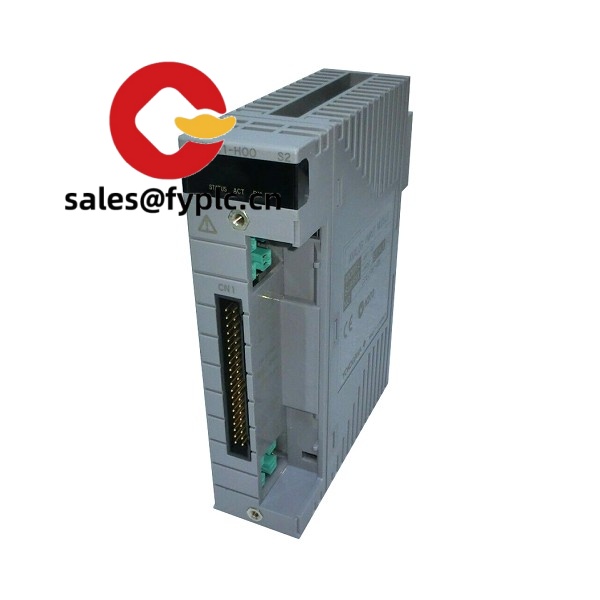
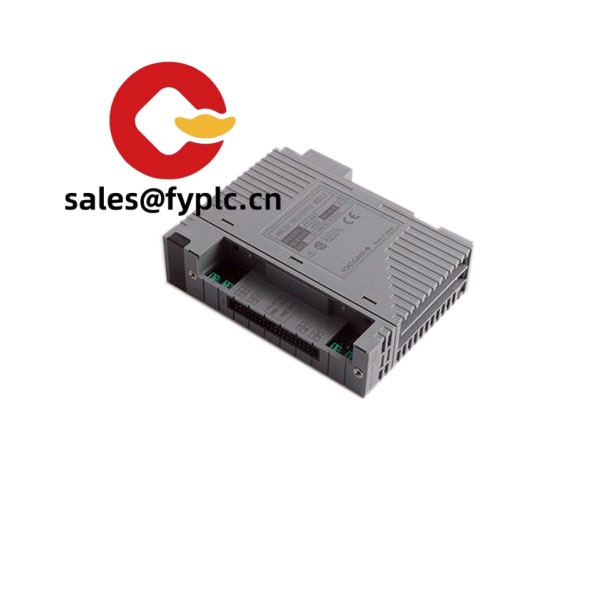
Yokogawa AAI141-H50K4A00 – 16‑Channel 4–20 mA Analog Input Module for FIO/CENTUM Systems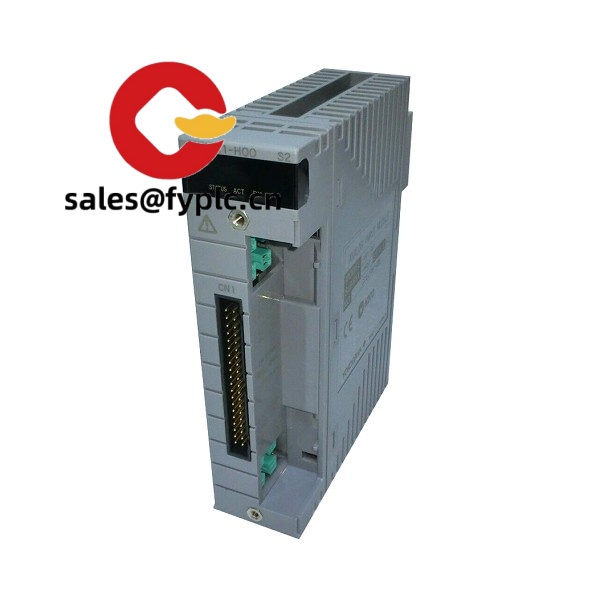
The Yokogawa AAI141-H50K4A00 is an analog input module used in Yokogawa FIO-based I/O subsystems within CENTUM VP/CS 3000 environments. From my experience, it’s typically selected when you need stable 4–20 mA signal acquisition across multiple loops—think flow, pressure, temperature transmitters—while keeping cabinet space tight and lifecycle costs predictable. The H50 option on this model appears to enable HART pass-through on each channel for device diagnosis and configuration, which many maintenance teams appreciate during turnarounds.
Order Placement Process and Guarantees
- Warranty period: 365 days
- Delivery: 1 week if in stock; no more than one month at the latest
- Payment: 50% advance payment; full payment before delivery
- Express options: FedEx, UPS, DHL
Key Features
- 16-channel 4–20 mA inputs – Consolidates multiple transmitters on one compact module to save cabinet space.
- HART pass-through (H50 option) – You might notice easier device configuration and diagnostics without removing wiring; typically supports common HART field devices.
- Stable measurement for critical loops – Designed for industrial environments where low drift and reliable scanning matter during long campaigns.
- FIO ecosystem compatibility – Integrates with Yokogawa node units and remote I/O buses, streamlining engineering in CENTUM systems.
- Compact footprint – Helps keep enclosure widths under control, especially in brownfield retrofits.
- Diagnostics and status – Module and channel status reporting to aid troubleshooting; in many cases reduces time-to-fix.
Technical Specifications
| Brand / Model | Yokogawa AAI141-H50K4A00 |
| HS Code | 8538.90 (Parts for electrical control panels/PLC systems) |
| Signal Input Types | 16 × analog inputs, 4–20 mA; HART pass-through on channels (H50 option, typically for device maintenance) |
| Communication Interfaces | Backplane connection to Yokogawa FIO node unit; integrates to CENTUM via ESB/ER remote I/O bus (no user-facing ports on module) |
| Power Requirements | Supplied from FIO base/backplane; typically 5 VDC, approx. 2–3 W module consumption |
| Installation Method | Mounted on Yokogawa FIO base/terminal board; wiring via terminal board with shielded twisted pairs recommended |
| Operating Temperature | 0 to 55 °C (typical for FIO modules); 5–95% RH non-condensing |
| Dimensions & Weight | Compact FIO form factor; approx. 130 × 30 × 130 mm; ~0.2 kg (typical) |
| Channels and Isolation | 16 inputs; module-to-system galvanic isolation (channel grouping may apply depending on terminal board) |
Notes: Exact consumption and mechanicals can vary slightly by option/terminal board. The H50 option seems to indicate HART pass-through capability commonly used for device management.
Application Fields
- Oil & Gas: Multi-loop AI collection for flow, pressure, and temperature transmitters on topsides or wellpad skids.
- Chemicals & Petrochem: Reliable analog acquisition for reactor, column, and utility monitoring with HART device checkups.
- Power Generation: Boiler/aux systems where 4–20 mA is the standard and downtime costs real money.
- Water & Wastewater: Compact I/O in distributed cabinets, typically with long cable runs and shielded wiring.
- Pharmaceuticals & Food: Stable loops for utilities and environmental monitoring where audit trails matter.
Advantages & Value
- Reliability that reduces callouts – Field teams typically report fewer nuisance trips and cleaner diagnostics.
- Easy fit into existing CENTUM nodes – No unexpected wiring adapters when you’re already on Yokogawa FIO.
- Lower lifecycle costs – HART pass-through helps with remote device checks, which in many cases trims maintenance hours.
- Procurement confidence – Stable supply, standard spares strategy, and consistent firmware practice across fleets.
A maintenance lead from a refinery client told us they swapped in AAI141 units during a phased upgrade and “didn’t have to touch the wiring lists—commissioning was straight, just point checks and go.”
Installation & Maintenance
- Cabinet & mounting – Install on the designated FIO base/terminal board within a ventilated control cabinet. Maintain clearance for airflow and extraction.
- Wiring practices – Use shielded twisted pairs for 4–20 mA. Land shields at one end to avoid ground loops. Keep signal and power separated.
- Loop checks – Perform 0/50/100% loop tests during commissioning. If using HART, verify device tags and polling addresses.
- Safety – De-energize the node before insertion or removal. Follow site lockout/tagout. Observe intrinsic safety rules if installed with barriers.
- Routine care – Periodically verify readings against a reference calibrator, clean terminal areas, and schedule firmware updates during maintenance windows (when applicable).
Quality & Certifications
- CE compliant; RoHS compliant
- UL/CSA recognition for control equipment (typical for Yokogawa FIO modules)
- Manufacturer-grade quality control with documented test procedures
- Warranty: 365 days (backed by our order guarantees listed above)
If you’re matching this unit to an existing node, send a quick photo of the terminal board and node unit model. One thing I appreciate is how Yokogawa keeps backward compatibility sensible, but confirming the terminal board and the HART requirement upfront usually saves a truck roll later.

Reviews
There are no reviews yet.