
Description
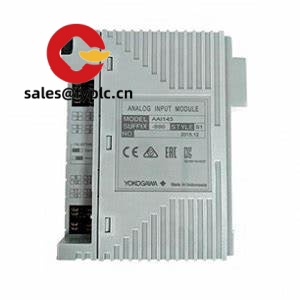
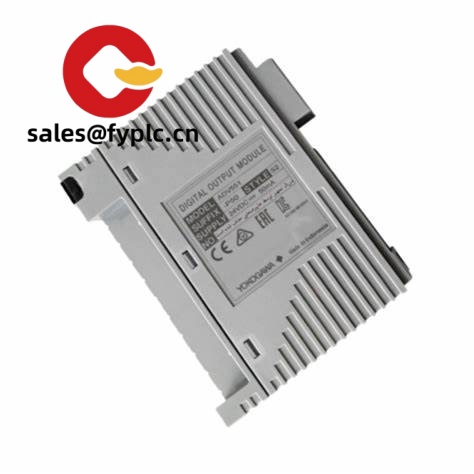
YOKOGAWA ADV169-P00 – Interface/Communication Module for CENTUM-System Nodes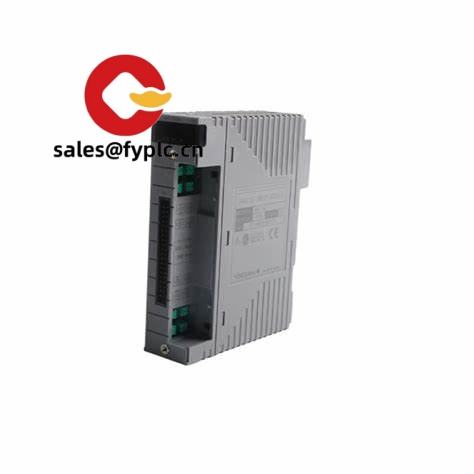
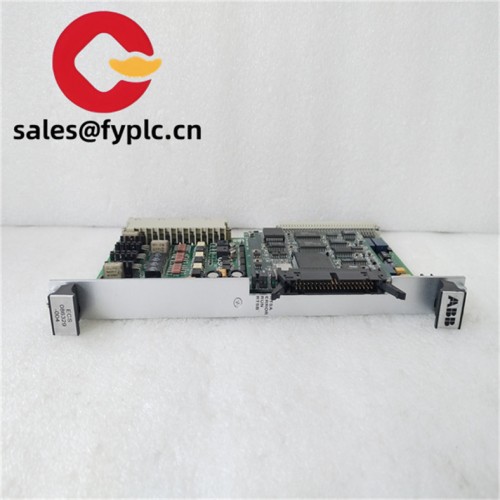
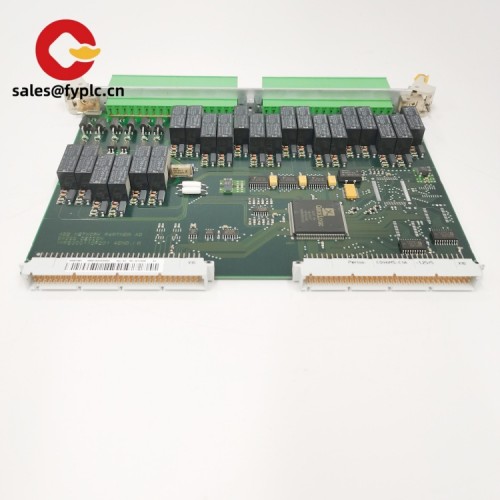
The YOKOGAWA ADV169-P00 is a plug-in interface module typically used inside CENTUM-family control nodes and I/O units. From my experience, it’s chosen when you need a stable backplane communication card with diagnostics, clean integration, and long lifecycle support. You might notice that it’s designed as a system module rather than a field I/O card—no direct analog or digital terminals—so its role is to keep the node communicating reliably with the system bus.
Our Order Placement Process and Guarantees
- Warranty: 365 days
- Delivery: 1 week when in stock; no more than one month at the latest
- Payment: 50% advance payment; full payment before delivery
- Express shipping: FedEx, UPS, DHL
Key Features
- Backplane communication role – Functions as a system interface module; no direct field wiring, which keeps cabinet layouts tidy.
- Diagnostics and status LEDs – Quick visual checks reduce troubleshooting time during shift handovers.
- Hot-swap capability (system dependent) – In many cases, maintenance teams can replace the module online within a redundant setup.
- Fits standard Yokogawa node units – Designed for plug-in installation in CENTUM node/chassis environments.
- Stable long-term availability – Yokogawa’s lifecycle support typically ensures consistent spares planning.
- Firmware compatibility by suffix – Suffix “P00” helps identify revision; we usually verify against your controller and node revision before shipping.
Technical Specifications
| Brand / Model | YOKOGAWA ADV169-P00 |
| HS Code | 8538.90 (Parts for control panels/apparatus) |
| Power Requirements | Supplied via node backplane; node input typically 24 VDC (no separate field supply on the module) |
| Operating Temperature | 0 to 55°C (typical industrial cabinet conditions) |
| Signal I/O Types | None (communication/interface module; no direct field I/O) |
| Communication Interfaces | Proprietary Yokogawa system bus via backplane (node-family dependent) |
| Dimensions & Weight | Plug-in card form factor; typically < 0.5 kg, fits standard node/chassis slot |
| Installation Method | Plug-in to Yokogawa node unit/chassis; node mounted on DIN rail or panel |
Application Fields
This module is commonly applied in DCS nodes for process industries where stable backplane communications matter more than channel density:
- Refining and petrochemicals – unit control where redundant communication paths are standard practice.
- Chemicals and specialty batch – reliable node connectivity into recipe or S88 layers.
- Power generation and utilities – continuous operations with tight maintenance windows.
- Pharmaceuticals – controlled environments and validated systems where stable revision control matters.
- Pulp & paper / water & wastewater – long service life expectations and simple spare strategy.
“We swapped in ADV-series interface cards during a scheduled two-hour window. One thing I appreciate is the clear LED status—cut our loop checks by half.” — Maintenance Supervisor, chemical plant
Advantages & Value
- Reliability – Stable backplane comms with predictable behavior under load; seems to be very forgiving in typical cabinet temperatures.
- Compatibility – Matches Yokogawa node form factor; we validate “P00” suffix compatibility against your system revision before shipping.
- Cost control – Straightforward replacement keeps downtime costs in check; no rewiring since it’s a system card.
- Technical support – Pre-shipment testing, pictures on request, and documentation to align with your MOC procedures.
Installation & Maintenance
- Cabinet & environment – Install in a clean, ventilated control cabinet. Maintain clearance for airflow and easy front access.
- Wiring – No field I/O wiring to the card. Ensure node power (typically 24 VDC) is stable and properly fused.
- Handling – Observe ESD precautions. If not working in a redundant/hot-swap configuration, power down the node before insertion/removal.
- Checks – Verify LEDs and system diagnostics after installation. Confirm recognition in the engineering console.
- Routine care – Annual dust cleaning, connector reseat checks, and firmware revision alignment during planned outages.
Quality & Certifications
- CE and RoHS compliance (typical for Yokogawa system modules)
- UL/cUL recognition in many cases (confirm per batch if required for site approval)
- Manufacturer’s warranty normally supported by our 365-day coverage
Before we ship, we can cross-check ADV169-P00 against your node type and controller revision to avoid any surprises. If you share your current part numbers or a cabinet photo, we’ll confirm slot compatibility and the exact firmware expectation.
Reviews
There are no reviews yet.