
Description
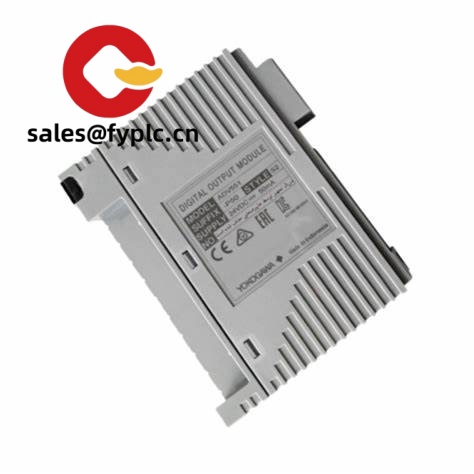
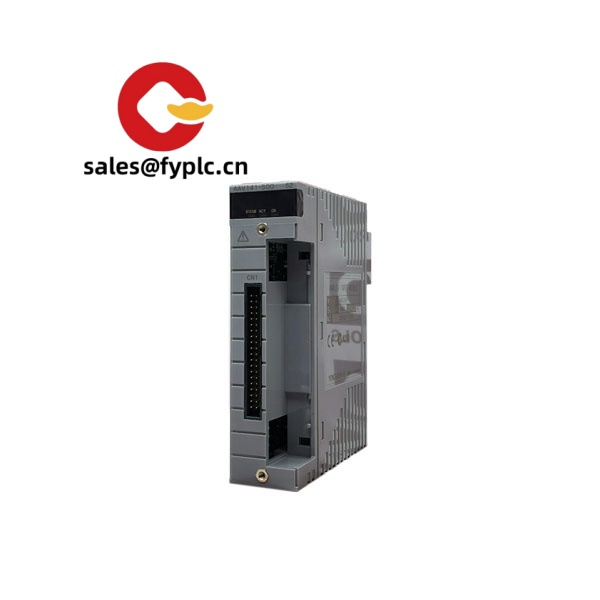
Yokogawa ADV551-P63D5A00 – Vnet/IP Communication Module for FIO Remote I/O Nodes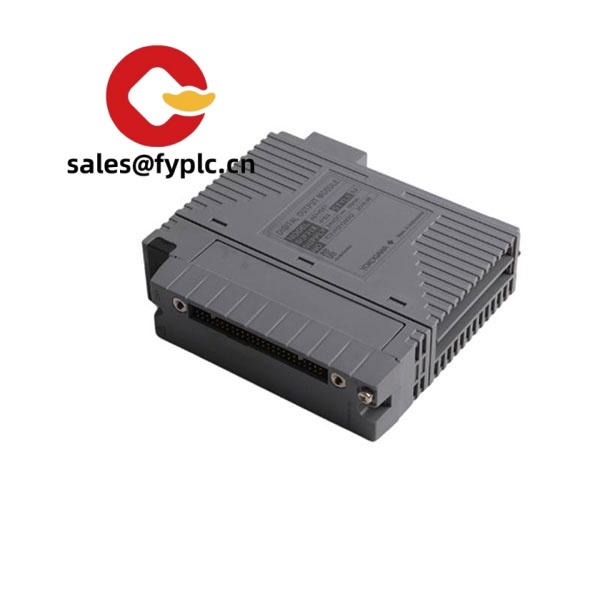
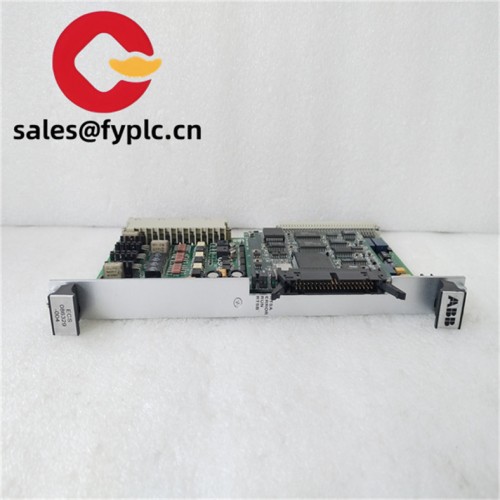
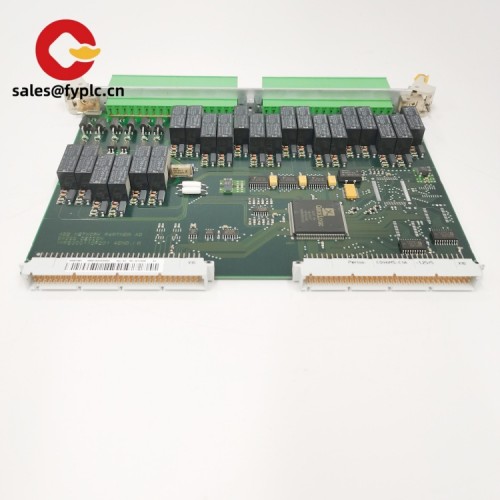
The Yokogawa ADV551-P63D5A00 is a Vnet/IP communication module designed to link Field I/O (FIO) nodes with CENTUM VP (and, in many cases, ProSafe-RS) over a redundant, deterministic Ethernet network. From my experience, this module is used when you want stable, low-latency I/O updates with bumpless redundancy at the node level. It seems to be a go-to choice in brownfield upgrades where plants keep existing I/O infrastructure but migrate control networks to Vnet/IP for higher reliability and diagnostics.
Our Order Placement Process and Guarantees
- Warranty: 365 days
- Delivery: 1 week if in stock; no more than one month at the latest
- Payment: 50% advance payment; full payment prior to delivery
- Express Options: FedEx, UPS, DHL
Key Features
- Vnet/IP connectivity – Provides deterministic Ethernet communication between FIO nodes and the DCS, typically with redundant paths for high availability.
- Node-level redundancy – Dual network ports and internal switchover help maintain I/O updates without process interruptions.
- Hot-swap serviceability – In many cases you can replace the module in a powered system (within Yokogawa’s recommended procedure), which minimizes downtime.
- Built-in diagnostics – Clear front-panel indicators and status data help maintenance teams pinpoint cable, link, or configuration issues faster.
- FIO ecosystem compatibility – Works within Yokogawa FIO node assemblies and pairs with standard FIO analog/digital I/O modules for mixed-signal plants.
- Industrial environmental design – Typically specified for cabinet installation with extended operating temperature ranges common to process industries.
Technical Specifications
| Brand / Model | Yokogawa ADV551-P63D5A00 |
| HS Code | 853890 (Parts for industrial control apparatus; final HS code may vary by region) |
| Power Requirements | Supplied via FIO node backplane (24 VDC system power). Module consumption is typically low (<5 W). |
| Dimensions & Weight | Single-width FIO form factor, approx. 110–130 mm (H) x 27–35 mm (W) x 120–140 mm (D); ~0.2–0.4 kg (typical) |
| Operating Temperature | 0 to +55 °C (typical for FIO modules; check project specification) |
| Signal I/O Types | Network interface for Vnet/IP (process I/O handled by companion FIO I/O modules) |
| Communication Interfaces | Redundant 100 Mbps Ethernet (RJ‑45) for Vnet/IP; supports deterministic updates and redundancy switchover |
| Installation Method | Mounts on Yokogawa FIO node base/backplane (e.g., within ANB-series node units) in control cabinet |
Application Fields
Plants that standardize on CENTUM VP and need robust, redundant remote I/O networking typically choose the ADV551. You might notice it in:
- Oil & Gas (wellhead skids, pipeline RTU shelters, compressor stations)
- Refining & Petrochemical (units with mixed analog/digital I/O and strict uptime demands)
- Power Generation (boiler/turbine auxiliaries and balance-of-plant I/O)
- Chemicals & Specialty (batch areas where deterministic updates support S88 phases)
- Water & Wastewater (distributed remote I/O panels across treatment trains)
- Pharmaceuticals (validated environments needing stable network diagnostics)
Advantages & Value
- High availability – Redundant Vnet/IP links reduce single points of failure and help avoid nuisance trips.
- Lifecycle-friendly – Suitable for phased upgrades; keep the I/O footprint while modernizing the network layer.
- Interoperability – Works with the Yokogawa FIO family and CENTUM VP engineering tools, simplifying commissioning.
- Lower maintenance burden – Clear diagnostics and hot-swap practices shorten fault isolation and repair time.
- Total cost perspective – Fewer unplanned outages and quicker replacement typically pay back faster than cheaper, non-redundant links.
Installation & Maintenance
- Panel and environment – Install in a ventilated control cabinet (IEC-style or NEMA), 0–55 °C ambient, 5–95% RH non‑condensing. Allow space for airflow.
- Grounding and wiring – Use shielded Cat5e/Cat6 patch cords where plant EMC is challenging; bond shields at a single point to avoid ground loops.
- Redundancy layout – Home each RJ‑45 to separate switches or separate switch modules to preserve path redundancy.
- Hot-swap handling – Follow Yokogawa’s procedure; observe ESD precautions and wait for status LEDs to confirm a healthy state.
- Routine care – Inspect connectors, clean dust with dry air, verify redundancy switchover tests during scheduled turnarounds, and keep firmware aligned with your DCS build.
Customer note: “We swapped an ADV551 in under 10 minutes during a turnaround. The bumpless switchover and clear LED diagnostics kept our commissioning team calm—no surprises on Vnet/IP.”
Quality & Certifications
- Typically compliant with CE, UL, and RoHS requirements for industrial control equipment
- Manufactured under ISO 9001 quality systems
- Manufacturer’s standard warranty practices apply; sales warranty provided here is 365 days
Related/Supporting Components
The ADV551 is commonly deployed within Yokogawa FIO nodes alongside standard analog/digital I/O cards. It’s typically installed in node units of the ANB-series with appropriate power supplies and terminal bases. If you’re planning a full cabinet build, we can also size managed switches, patch panels, shielded cabling, and panel accessories to match your redundancy strategy.
If your project requires a specific firmware revision or option mapping for the P63D5A00 build, share the control system version and we’ll align the hardware and delivery plan accordingly.


Reviews
There are no reviews yet.