
Description
YOKOGAWA ALR121-S00S1 – Relay Alarm Output Module for CENTUM/DCS I/O Panels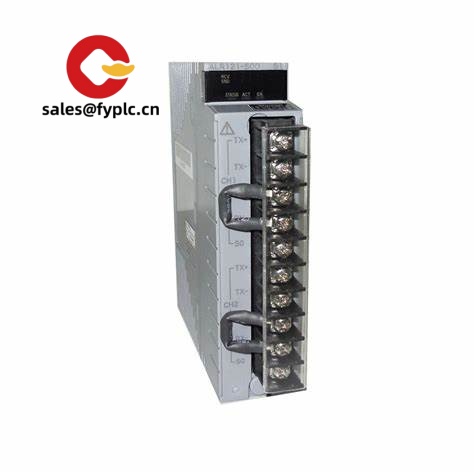
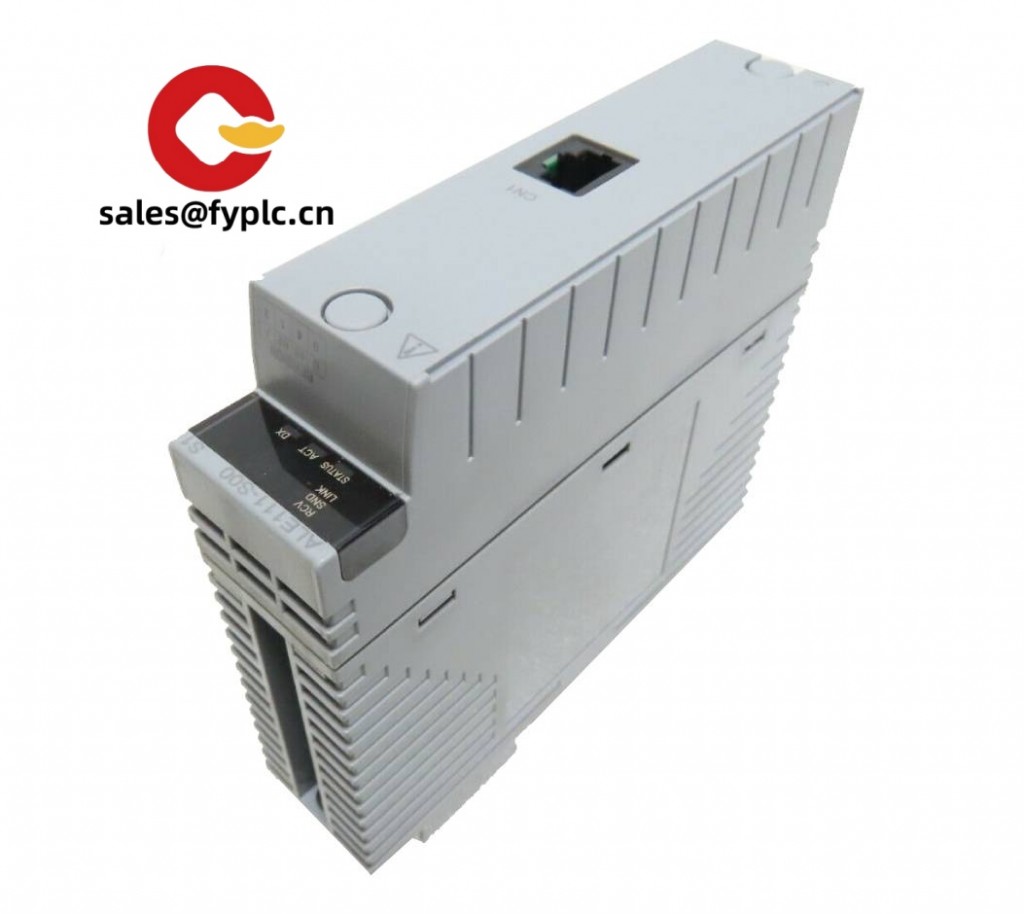
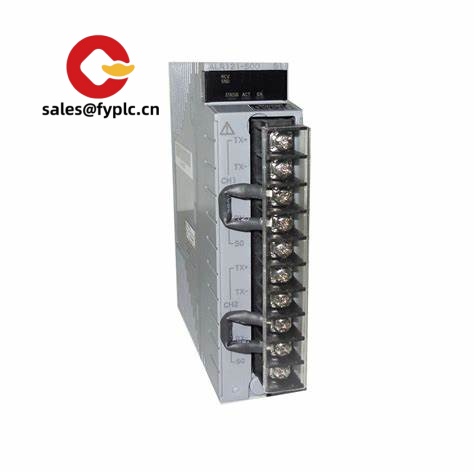
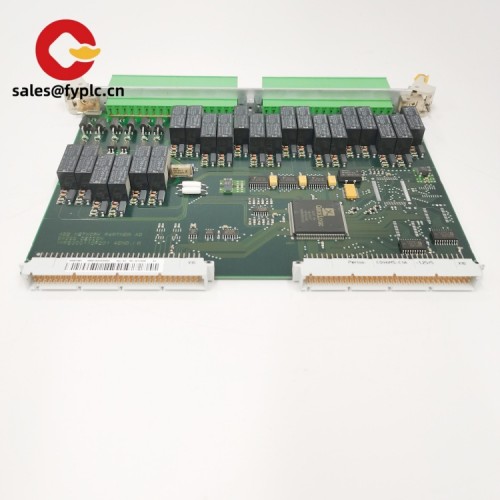
The YOKOGAWA ALR121-S00S1 is a relay alarm output module designed for Yokogawa DCS environments, typically used to drive hardwired annunciators, beacons, horns, or panel lamps from process alarms. From my experience, plants pick this module when they want clean, isolated dry contacts that integrate neatly into CENTUM control cabinets without adding a third‑party relay bank. You might notice that it slots into the standard Yokogawa I/O base, so there’s no need for external power to the module itself.
Our Order Placement Process and Guarantees
- Warranty: 365 days coverage from shipment.
- Lead time: In-stock items typically ship within 1 week; not-in-stock items ship within 1 month at the latest.
- Payment terms: 50% advance payment; full payment prior to delivery.
- Express options: FedEx, UPS, DHL – we’ll choose what meets your schedule and region best.
Key Features
- Dry-contact relay outputs: Suited for driving panel annunciators, interposing relays, and audible alarms without introducing field power noise.
- Backplane-powered: The module draws power from the Yokogawa I/O base, so no external PSU wiring to the card – installation stays tidy.
- Channel isolation: Relay isolation helps protect the controller side when field circuits experience transients.
- Status indication: Per-channel status LEDs (in many cases) make commissioning faster – you can verify trip states at a glance.
- Controller-native integration: Communicates over the Yokogawa I/O bus to the FCS, eliminating external gateways.
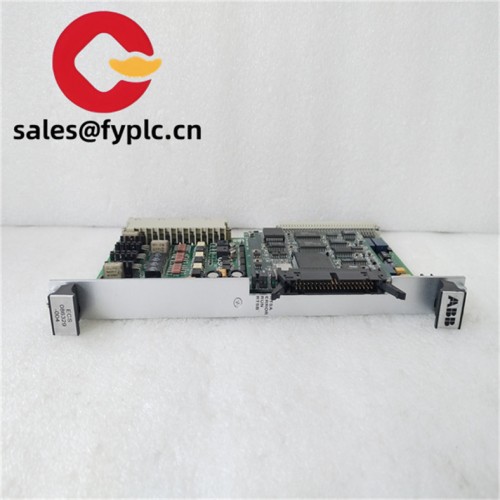
- Cabinet-friendly form factor: Fits standard Yokogawa I/O bases for CENTUM/DCS panels; wiring lands on the associated terminal board.
Technical Specifications
| Brand / Model | YOKOGAWA ALR121-S00S1 |
| Product Type | Relay alarm output module for Yokogawa DCS/CENTUM I/O systems |
| HS Code | 8537.10 (Control panels/boards for a voltage not exceeding 1000 V) |
| Power Requirements | Supplied by Yokogawa I/O backplane; no external module power typically required |
| Signal I/O Types | Relay contact outputs (dry contact; channel count depends on style/configuration) |
| Communication Interfaces | Internal Yokogawa I/O bus to FCS; no external fieldbus/serial ports on the module |
| Installation Method | Plugs into Yokogawa I/O base/terminal board; cabinet/panel installation in DCS rack or DIN-rail base as applicable |
| Operating Temperature | 0 to 55°C typical control-room environment (refer to Yokogawa datasheet for exact range) |
| Dimensions & Weight | Standard 1‑slot Yokogawa I/O card format; compact, cabinet-friendly footprint |
Application Fields
- Process alarm annunciation on control panels and mimic boards in oil & gas, chemicals, and power generation.
- Hardwired trip/alarm relays for motors, pumps, and compressors where dry contacts are preferred.
- Beacon/horn control in utilities areas, MCC rooms, and field junction boxes.
- Interlock status handoff to ESD or fire & gas systems via isolated relay contacts.
Advantages & Value
- Native compatibility: Designed for Yokogawa DCS racks, so configuration and diagnostics are straightforward.
- Lower panel complexity: In many cases you can avoid separate relay banks, reducing wiring density and heat.
- Reliability under load: Galvanic isolation and relay separation typically improve resilience against field faults.
- Lifecycle confidence: Yokogawa modules tend to have long service availability and clear migration paths.
- Cost control: Using a controller-native relay module can reduce engineering hours during FAT/SAT and future expansions.
Installation & Maintenance
- Cabinet environment: Keep within 0–55°C, non-condensing; provide front-to-back airflow. Avoid mounting near high-heat sources.
- Wiring: Land field wiring on the associated terminal board; use ferrules and label channels. Separate power and signal routing to minimize noise.
- Grounding & shielding: Follow Yokogawa cabinet grounding practices; bond shields at one end to reduce loops.
- Commissioning: Use the module’s status LEDs (where provided) and the DCS diagnostics to verify each relay channel.
- Maintenance: Periodic contact function checks; clean dust with dry air; review firmware/engineering database updates during scheduled turnarounds.
- Safety: De-energize circuits before reseating the module. Confirm contact ratings versus load (inductive loads may require suppressors).
One thing I appreciate is how easy it is to trace faults: if a lamp doesn’t light, you can quickly isolate whether it’s the field wiring, the relay contact, or the logic from the FCS. A maintenance supervisor recently told us their team cut panel troubleshooting time by half after standardizing on Yokogawa relay output cards across units.
Related / Supporting Components
- Yokogawa I/O baseplate and terminal boards matched to the ALR series (for clean field wiring and module seating).
- Shielded multiconductor cables and relay suppression devices (RC snubbers/TVS) for inductive loads.
- Cabinet accessories: DIN rail, cable ducts, labeling kits, and panel beacons/horns compatible with dry contacts.
Quality & Certifications
- Manufacturer quality systems typically aligned with ISO 9001.
- CE conformity for EMC and safety on Yokogawa control modules.
- UL/cUL recognition and RoHS compliance commonly available on Yokogawa I/O cards.
- Standard manufacturer warranty, supplemented by our 365‑day after‑sales guarantee.
Notes: Exact contact ratings, channel count, and wiring terminal style can vary by option and style code; ALR121‑S00S1 appears to be a Style S1 build without extra options. If you share your required load voltage/current and whether you need Form A or Form C, we’ll match the module and terminal board to your panel standards.
Reviews
There are no reviews yet.