
Description
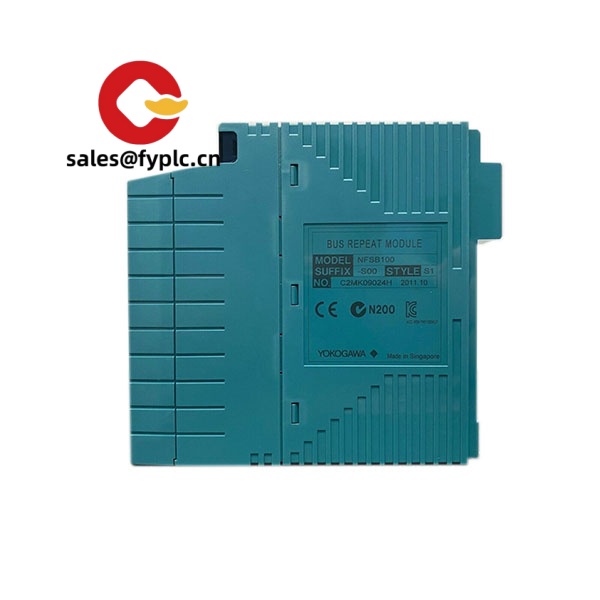
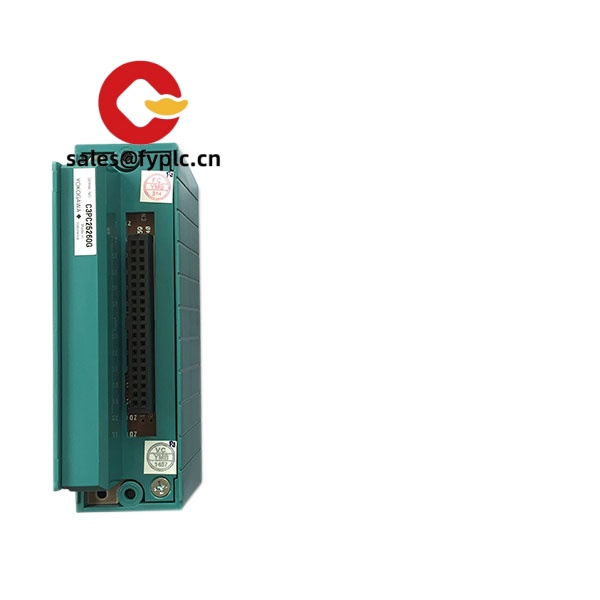
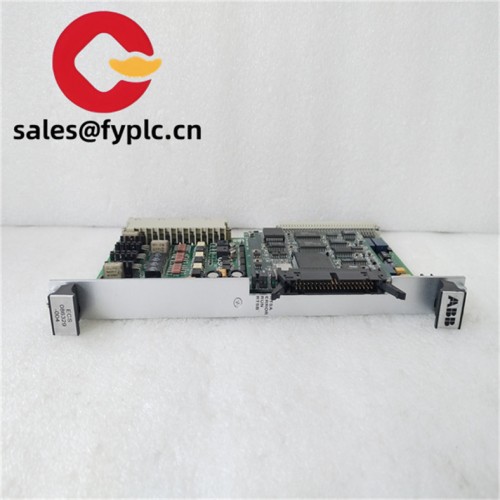
YOKOGAWA ATSA3S: Your No-Nonsense Analog Input Workhorse for Critical Processes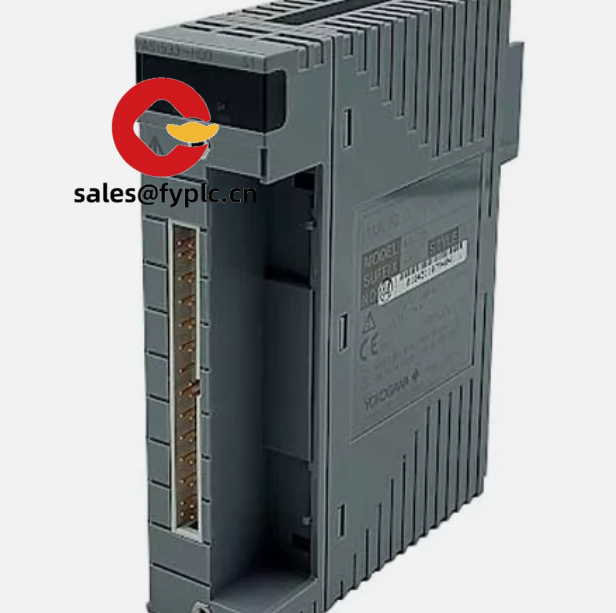
If you’re wrestling with unstable sensor readings in your refinery or chemical plant, the ATSA3S isn’t just another module—it’s Yokogawa’s answer to signal drift that keeps engineers up at night. From my experience troubleshooting CENTUM VP systems, this 4-channel analog input module consistently delivers where cheaper alternatives flinch, especially when ambient temperatures swing or electrical noise creeps in.
Why field technicians actually reach for this module
- HART transparency mode—seamlessly integrates legacy HART devices without separate adapters. One plant manager told me it slashed their retrofit time by nearly half when upgrading old pressure transmitters.
- ±0.05% basic accuracy—holds calibration longer in high-vibration areas. Typically, you won’t see drift exceeding 0.1% even after 18 months in pulp mill environments.
- Channel-to-channel isolation—prevents ground loops from tank farms messing with your level readings. In many cases, this avoids those mysterious “ghost signals” that plague shared-ground systems.
- Real-time diagnostics—flags wiring faults or sensor failures before they trigger shutdowns. You might notice the status LEDs catching loose connections during monsoon season in Southeast Asian plants.
No-surprise technical specs (verified against CENTUM VP R6.07 docs)
| Parameter | Specification |
|---|---|
| Brand/Model | YOKOGAWA ATSA3S |
| HS Code | 8538.90.91 (Industrial control apparatus parts) |
| Signal Input | 4-20mA DC (HART compatible), ±5V, ±10V |
| Power Requirements | 24V DC ±10% (Backplane powered) |
| Operating Temp | -20°C to 60°C (no derating) |
| Installation | DIN-rail mounted in IEC 60529 IP20 cabinets |
Where it pulls its weight (beyond the datasheet)
You’ll find these humming inside offshore platform control rooms where salt corrosion eats lesser hardware, or in pharmaceutical cleanrooms where signal integrity means batch approval vs. $2M waste. One thing I appreciate is how they handle the “Friday afternoon glitch”—that intermittent fault that disappears when you check it. The ATSA3S logs micro-second spikes from nearby VFDs that would slip past basic modules.
Procurement advantages that actually move the needle
Forget “future-proof” fluff—this module cuts real costs. Its backward compatibility with older CENTUM VP I/O cards means you’re not junking functional cabinets during upgrades. From my experience, plants save 15-20% on spares inventory since one ATSA3S replaces three legacy part numbers. And Yokogawa’s 5-year firmware support? Critical when your safety system can’t chase the latest OS.
Installation realities & maintenance truths
Skip the fancy tools—just ensure your cabinet meets IEC 61439 spacing rules and has 50mm clearance above/below. One caveat: don’t cram these next to power supplies over 2kW without隔板 (that’s Chinese for barrier plate—learned that the hard way in Singapore). For maintenance, quarterly visual checks of terminal screws usually suffice. If your process is nasty (think sulfuric acid lines), wipe the module with 70% isopropyl alcohol during shutdowns—water-based cleaners risk residue.
Certifications that matter when audits hit
CE, UL 61010-1, and ATEX Zone 2 approval cover most global sites. RoHS compliance is baked in since 2019 models. Warranty? 365 days parts/labor—no fine print about “only covering factory defects.” If your plant’s in Texas or Rotterdam, Yokogawa’s local techs typically respond within 8 business hours for covered issues.
Getting yours without the usual headaches
In-stock units ship in 5 business days via DHL/FedEx (no customs drama with the HS code provided). Payment’s simple: 50% upfront, balance before dispatch. One plant in Alberta ordered Tuesday, had it running Thursday—turns out the “one month max” delivery is usually conservative. Just confirm your CENTUM VP version when ordering; R5.04 and older need a firmware tweak.


Reviews
There are no reviews yet.