
Description
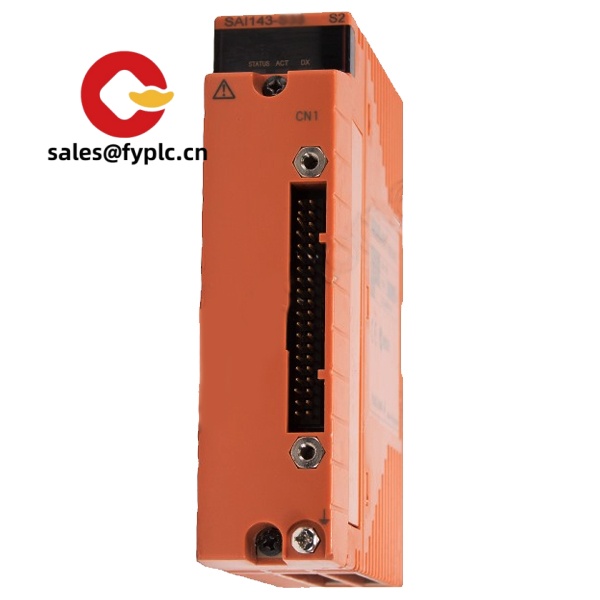
Yokogawa SAI143-H53 – 16‑channel analog input module for reliable 4–20 mA/HART acquisition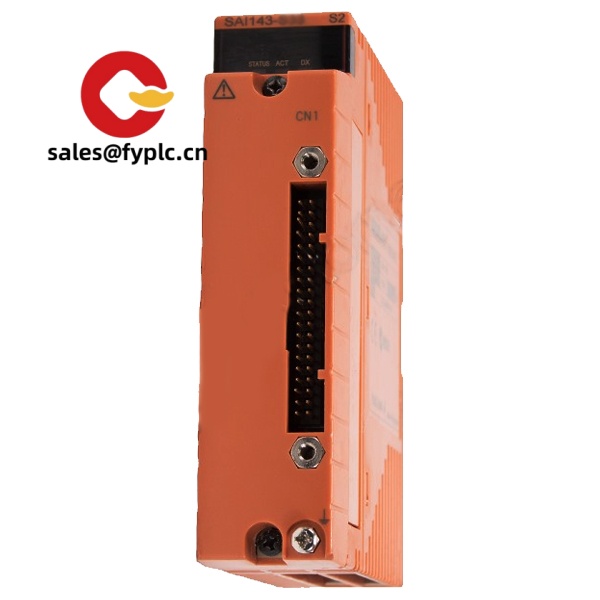
The Yokogawa SAI143-H53 is a field I/O analog input module commonly used in CENTUM VP/CS 3000 platforms for bringing 4–20 mA signals (and, in many cases, HART data) back to the control system. From my experience, it’s the kind of module plants pick when they need stable, low‑noise AI collection across many loops without re-engineering existing cabinets. The H53 option typically indicates a HART-enabled variant, so you can pass HART diagnostics upstream while keeping your wiring simple.
Our Order Placement Process & Guarantees
- Warranty: 365 days
- Delivery: 1 week if in stock; no more than 1 month at the latest
- Payment: 50% advance; full payment prior to delivery
- Express options: FedEx, UPS, DHL
Key Features
- Multi‑channel density – Typically 16 analog input channels per module, helping you consolidate panel footprint.
- 4–20 mA with HART passthrough – The H53 option is commonly used for HART-capable loops, allowing device diagnostics to reach the host.
- Stable, low‑noise conversion – Designed for process signals; you might notice fewer spikes and better baseline stability in noisy environments.
- Backplane powered – Draws power via the Yokogawa FIO base, so wiring is tidy and module changes are quick.
- Galvanic isolation (module to backplane) – In many cases reduces the chance of ground loops impacting your AI data.
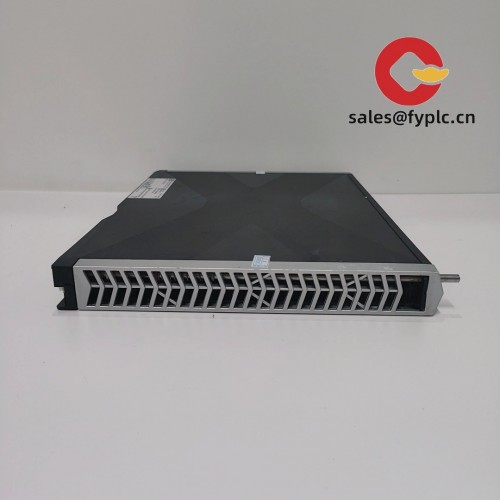
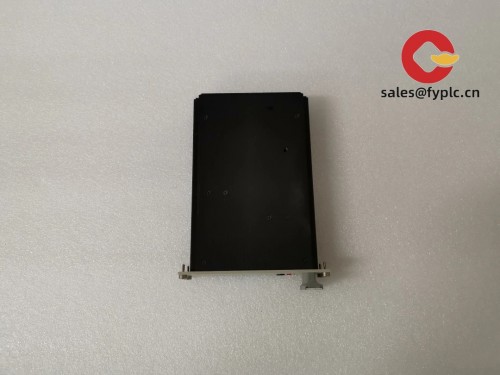
- Cabinet‑friendly form factor – Slim profile supports dense packing while maintaining workable cable management.
Technical Specifications
| Brand / Model | Yokogawa SAI143-H53 (Analog Input, FIO series) |
| HS Code | 8537.10 (Boards/panels for electric control, ≤1000 V) |
| Power Requirements | Powered via FIO base backplane; typically 5 VDC supplied by the node unit (low watt consumption). |
| Signal I/O Types | Analog input, typically 16 channels, 4–20 mA; HART passthrough on H53 option. |
| Communication Interfaces | Backplane interface to FIO node units (e.g., ANB10/ANB11 or ADV-series, depending on system configuration). |
| Operating Temperature | 0 to +55 °C (typical control cabinet range) |
| Installation Method | DIN‑rail within cabinet via Yokogawa FIO base and terminal blocks; front‑accessible for replacement. |
| Dimensions & Weight | Approx. 130(H) × 27(W) × 130(D) mm; ~0.25 kg (typical for FIO modules) |
| System Compatibility | CENTUM VP/CS 3000 FIO architecture; consult your I/O list for exact H53 option mapping. |
Related or Supporting Products
- Yokogawa SAI143 (base variant) – Same family without certain H‑option features; suitable when HART is not required.
- Yokogawa SAV144 – Voltage analog input module; pick this when your field devices output millivolt/voltage signals rather than current.
- Yokogawa SAO141 – Analog output module for 4–20 mA control loops; pairs well when you need both AI and AO in the same cabinet.
- Yokogawa SDI/SDO series – Digital input/output modules; for mixed I/O panels with interlocks and status points.
- Yokogawa ANB10/ANB11 or ADV‑series node units – Backplane interface units that power and network the FIO modules.
- Yokogawa ATB terminal blocks (FIO) – Matching terminal blocks/wiring bases that simplify marshalling and maintenance.
One thing I appreciate is how the SAI143‑H53 drops into existing FIO bases without changing cabinet depth. Plants typically keep a few spares on the same rail; a maintenance tech can swap a module in minutes and be back online after a quick loop check.
Installation & Maintenance
- Cabinet environment – Install in a clean, dry control cabinet with adequate ventilation. Keep ambient 0–55 °C and avoid high vibration zones.
- Grounding & shielding – Use shielded twisted pair for 4–20 mA; ground shields at one end only to minimize noise. Maintain a clear separation from high‑voltage cables.
- Wiring – Land field wires on the matched ATB terminal block; verify channel mapping and HART polarity. You might notice better stability when loop power supplies share a clean reference.
- Hot‑swap practice – FIO modules are designed for quick replacement; follow site MOC and de‑energize the loop if your policy requires it.
- Routine maintenance – Annual loop checks and calibration verification are usually enough. For HART devices, schedule periodic device diagnostics reads. Keep firmware/parameter files aligned with the DCS database.
- Spare strategy – In most cases, a 10–15% spare count per panel covers outages and turnarounds without long lead times.
Quality & Certifications
- CE compliant; designed for industrial EMC environments.
- UL/CSA recognized components are commonly used across Yokogawa FIO modules.
- RoHS compliant in most shipments; documentation available upon request.
- Warranty: 365 days (our supply policy).
Quick customer note: a refinery maintenance lead told me the SAI143‑H53 “cleaned up intermittent noise on two instrumentation loops once we re‑terminated at the ATB and enabled the HART filter.” That seems to be a common win when migrating older transmitters into a HART‑aware strategy.

Reviews
There are no reviews yet.