Description
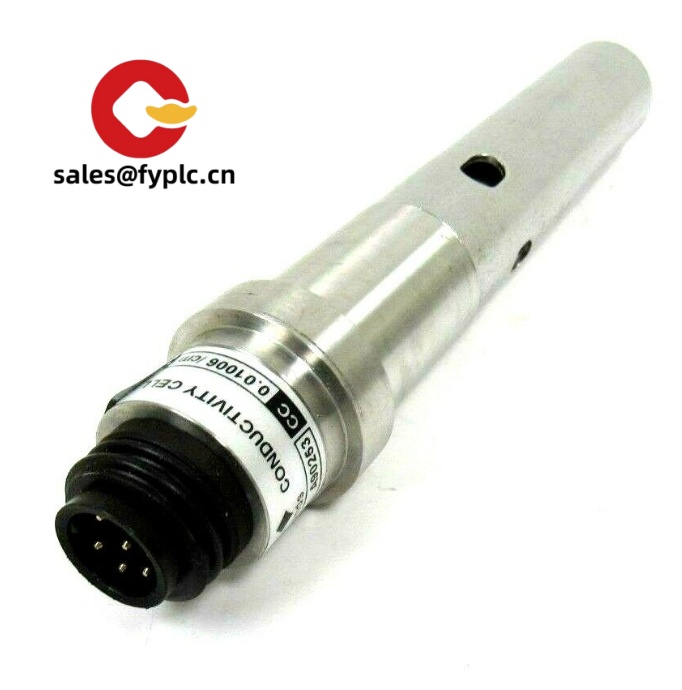
YOKOGAWA SC42-SP34 Contacting Conductivity Sensor – 3/4 in NPT insertion for reliable process water monitoring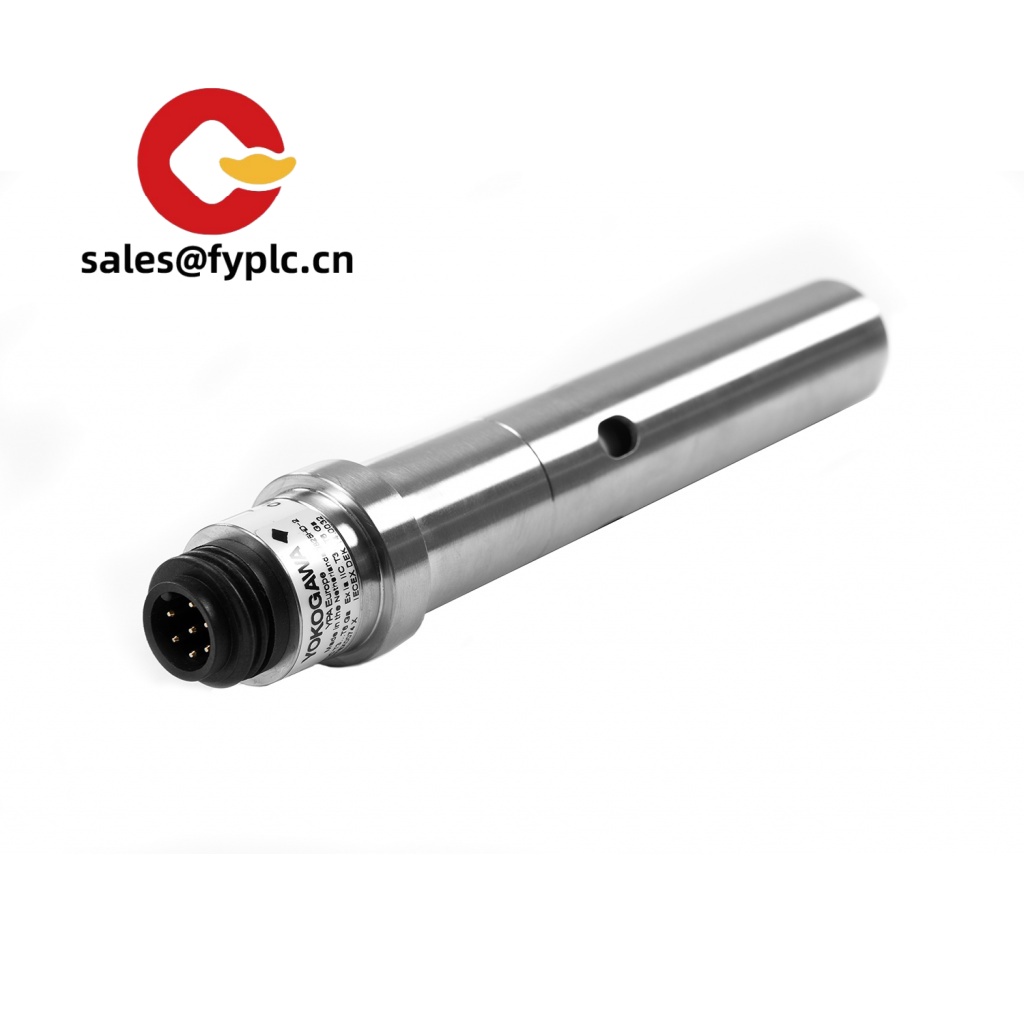
The YOKOGAWA SC42-SP34 is a contacting conductivity cell designed for inline or immersion applications where stable, repeatable conductivity measurement is needed—think cooling towers, RO skids, boiler make-up, or general process water loops. One thing I appreciate is how straightforward it is to mount: the SP34 code indicates a 3/4 in NPT screw-in fitting, so it typically drops into standard tees or small flow chambers without fuss. From my experience, this model pairs smoothly with EXA/FLXA conductivity transmitters and tends to deliver quick temperature compensation when wired with the correct RTD.
Order Placement Process and Guarantees
- Warranty: 365 days
- Delivery time: 1 week if in stock; not more than one month at the latest
- Payment: 50% advance payment; full payment prior to delivery
- Express options: FedEx, UPS, DHL
Key Features
- Contacting 2‑electrode design – Suited for low to medium conductivity ranges in clean to mildly fouling water systems.
- SP34 process connection – 3/4 in NPT screw-in fitting for inline tees, small flow cells, or immersion adaptors.
- Temperature compensation support – Works with common RTDs (Pt100/Pt1000 depending on option) for accurate, compensated readings.
- Analyzer compatibility – Designed to interface with YOKOGAWA conductivity transmitters such as FLXA202/FLXA402 and legacy EXA units.
- Rugged wetted materials – Typically supplied in chemically resistant plastics and noble metal electrodes for stable response in many cases.
- Flexible installation – Inline mounting in a bypass line, or immersion into tanks/sumps with the right holder.
You might notice that the SC42 family is often chosen where a compact, easy-to-service conductivity probe is preferred over bulky inductive coils. A maintenance lead from a food plant told us their SC42 installation “held calibration longer than expected on RO permeate—quick rinse and it was back on spec.”
Technical Specifications
| Brand / Model | YOKOGAWA SC42-SP34 |
| Product Type | Contacting conductivity sensor (2‑electrode), insertion type |
| HS Code | 9027.80 (Instruments and apparatus for physical/chemical analysis – other) |
| Power Requirements | Not applicable (passive sensor; powered by connected analyzer measurement circuit) |
| Process Connection | 3/4 in NPT (SP34 screw-in type) |
| Signal I/O | Conductivity cell leads + temperature sensor leads (Pt100/Pt1000 depending on option); fixed cable to analyzer |
| Communication Interfaces | None on sensor; interface provided by the paired YOKOGAWA analyzer/transmitter |
| Operating Temperature | Typically 0 to 80 °C (32 to 176 °F), application dependent |
| Pressure Rating | Commonly up to ~0.5 MPa at 25 °C (verify per selected materials and fitting) |
| Installation Method | Inline (tee/flow cell) or immersion via holder; vertical or horizontal lines with steady flow |
Related or Supporting Products
- YOKOGAWA FLXA202 / FLXA402 Conductivity Analyzers – 2‑wire and 4‑wire transmitters that read contacting cells and provide temperature compensation, analog outputs, and comms.
- YOKOGAWA SC4A Series Contacting Cells – Alternative general‑purpose contacting conductivity sensors with a variety of cell constants and mounting styles.
- YOKOGAWA ISC40 Series Inductive Sensors – Toroidal (electrodeless) option for high conductivity or fouling media where contacting electrodes are not ideal.
- Flow fittings and holders – Inline tees/flow cells sized for 3/4 in NPT to stabilize flow and protect the sensor; choose based on line size and velocity.
Installation & Maintenance
- Mounting orientation: Install in a line with steady flow; avoid dead legs and air pockets. Upstream filtration improves stability in many cases.
- Wiring: Use shielded cable runs to the transmitter. Keep sensor leads away from high‑voltage or VFD power to minimize noise.
- Environmental considerations: For panel‑mounted transmitters, allow ventilation in the cabinet and keep humidity controlled; the sensor itself should not be exposed to mechanical shock.
- Routine cleaning: If readings drift upward, remove and rinse. For scaling, a short soak in a mild acid (e.g., 5% citric) usually helps; for oils, use a non‑ionic detergent. Rinse thoroughly.
- Calibration: Calibrate with fresh conductivity standards at process temperature. A one‑point check monthly is typical; adjust based on fouling rate.
- Firmware/updates: Any updates apply to the connected analyzer (FLXA/EXA). Keep transmitter firmware current for best compensation algorithms.
- Spares: Keep a spare sensor and cable on hand for critical loops; it reduces downtime if cleaning or reconditioning is needed.
Quality & Certifications
- Manufacturer quality systems: ISO 9001
- Product compliance: CE; RoHS (typical for analytical sensors)
- Warranty: 365 days (our supply policy)
Reviews
There are no reviews yet.