
Description
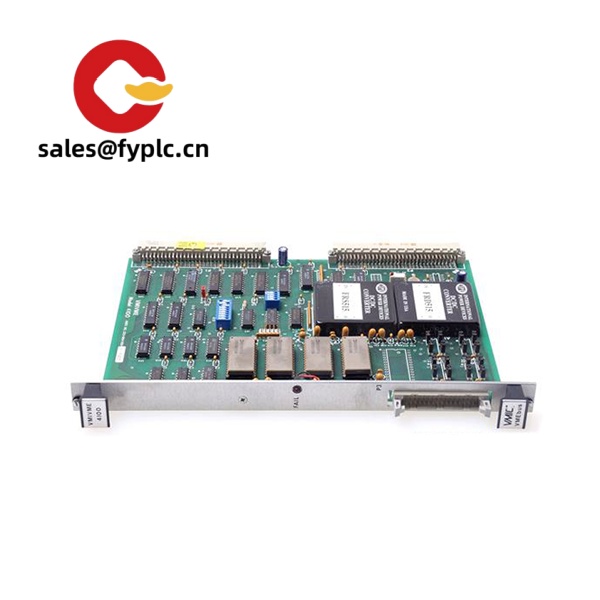
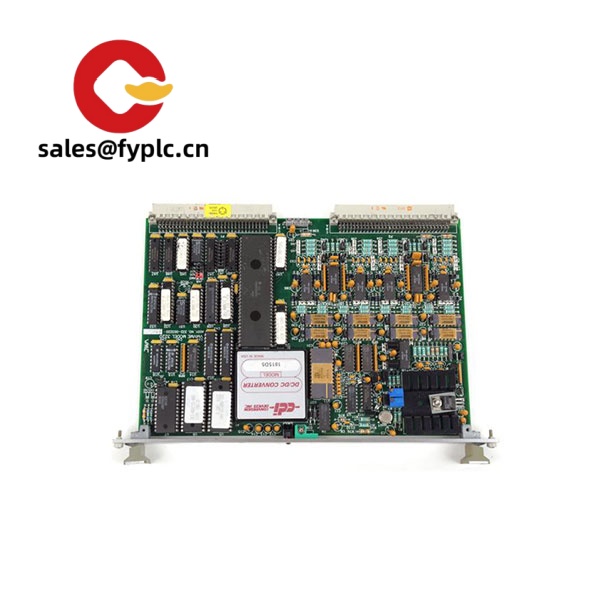
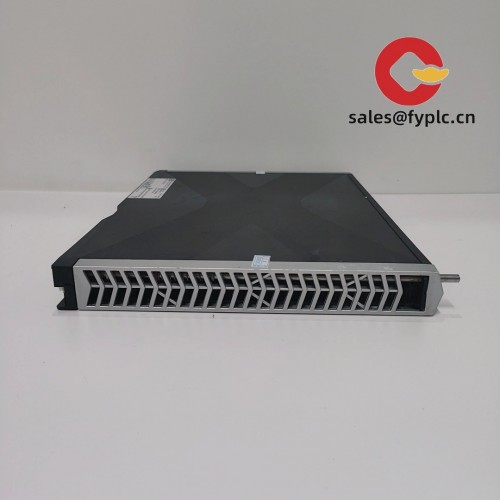
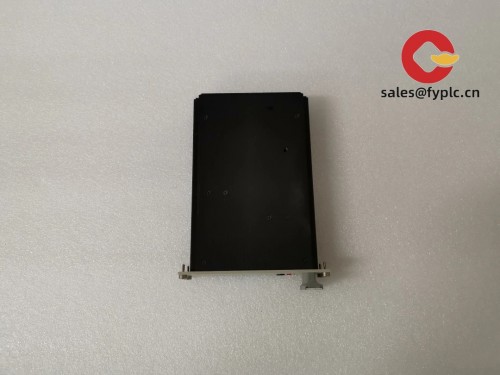
Yokogawa SSB401-53 – System Backplane/Subsystem Board for CENTUM/ProSafe Cabinets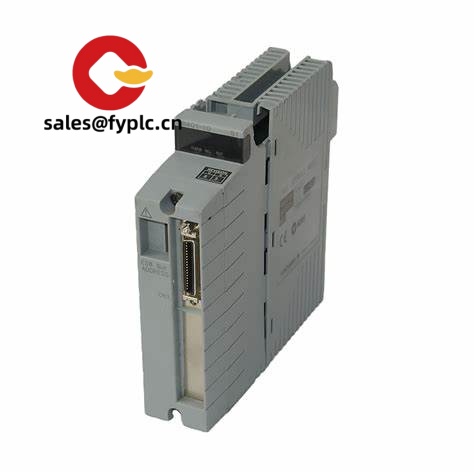
The Yokogawa SSB401-53 is a factory module-level board used inside Yokogawa control cabinets, typically within CENTUM CS/VP and, in many cases, ProSafe-RS safety system frames. It acts on the system side (backplane/subsystem), not the field I/O side—so you won’t wire instruments directly to it. From my experience, plants use the SSB401 family to stabilize internal bus communication and housekeeping signals in redundant control stations, supporting high availability without adding complexity to the front-end I/O.
Company’s Order Placement Process and Guarantees
- Warranty: 365 days
- Delivery: 1 week if in stock; no more than one month at the latest
- Payment: 50% advance payment; full payment prior to delivery
- Express options: FedEx, UPS, DHL
- Each unit is function-checked before dispatch; anti-static and shock-safe packing
Key Features
- Designed for Yokogawa system racks – Sits in the control cabinet backplane; no field terminal blocks to worry about.
- Revision “-53” hardware – This suffix typically reflects a later hardware revision with refined component sets and improved reliability.
- Supports redundant architectures – Commonly used alongside redundant CPUs and power modules to maintain station uptime.
- Diagnostic indicators – You might notice onboard status LEDs that make quick checks during commissioning much easier.
- Backplane powered – Draws power from the station, minimizing wiring and simplifying replacement logistics.
- Service-friendly – In many cases, maintenance teams replace SSB401 boards during scheduled outages; in redundant setups, swaps are typically faster and lower risk.
Technical Specifications
| Brand / Model | Yokogawa SSB401-53 |
| Product Type | System backplane/subsystem board (internal module for control station) |
| System Compatibility | Typically used in CENTUM CS/VP and, in many cases, ProSafe-RS cabinets (check slot assignment in your station manual) |
| HS Code | 8538.90 (Parts suitable for electrical control apparatus) |
| Power Requirements | Backplane supplied (nominal low-voltage DC from the station power bus; no external feed) |
| Dimensions & Weight | Single-slot board for Yokogawa racks; weight typically 0.3–0.5 kg |
| Operating Temperature | 0 to 55°C (typical control cabinet environment) |
| Signal I/O Types | Internal system/backplane signals only; no direct field I/O connections |
| Communication Interfaces | Via cabinet backplane (ESB/ER or station internal bus, depending on configuration) |
| Installation Method | Plug-in to designated slot; secured by card guides/latches; ESD-safe handling required |
Related or Supporting Products
- Yokogawa SSB401-13 / SSB401-23 – Earlier hardware revisions; SSB401-53 is a later rev that typically improves component reliability.
- Yokogawa CP451/CP461 CPU modules – Often paired within the same control station; the SSB board supports system-side operation.
- Yokogawa SNT401 network module – For plant network interfacing; works in the same cabinet environment.
- Yokogawa PW482/PW484 power supply modules – Provide the backplane DC rails the SSB401-53 uses.
- Typical I/O modules (e.g., AAI141 analog input, ADV151 digital output) – Field-side cards that benefit from stable system-side backplane services.
Quick note from the field: one client swapped an aging SSB401-23 to the -53 revision in a redundant FCS; the change was uneventful and they reported slightly cleaner fault logs on cold starts. It seems minor, but in continuous process plants those small gains add up.
Installation & Maintenance
- Cabinet environment – Install in a clean, dry control cabinet per Yokogawa rack standards; allow free airflow around the card area for cooling.
- Wiring – No field wiring to the SSB401-53; power and signals are via the backplane only. Confirm slot assignment in your station layout.
- ESD and safety – Use an antistatic wrist strap and handle by the edges. If not in a redundant pair, power down the station before removal.
- Routine care – Inspect LEDs during rounds, keep the cabinet dust-free, and re-seat connectors during planned outages if vibration is suspected.
- Firmware/config – Typically none on the board itself; functionality is governed by the host station. Always record part/serial and revision levels.
Quality & Certifications
- Manufactured within Yokogawa’s ISO 9001 quality system
- CE conformity and UL/CSA approvals are standard for the overall system; specific stamping may vary by build year
- RoHS compliance typically applies to later revisions; verify per serial/revision if your site requires documentation
- Warranty: 365 days (supplier warranty)

Reviews
There are no reviews yet.