
Description
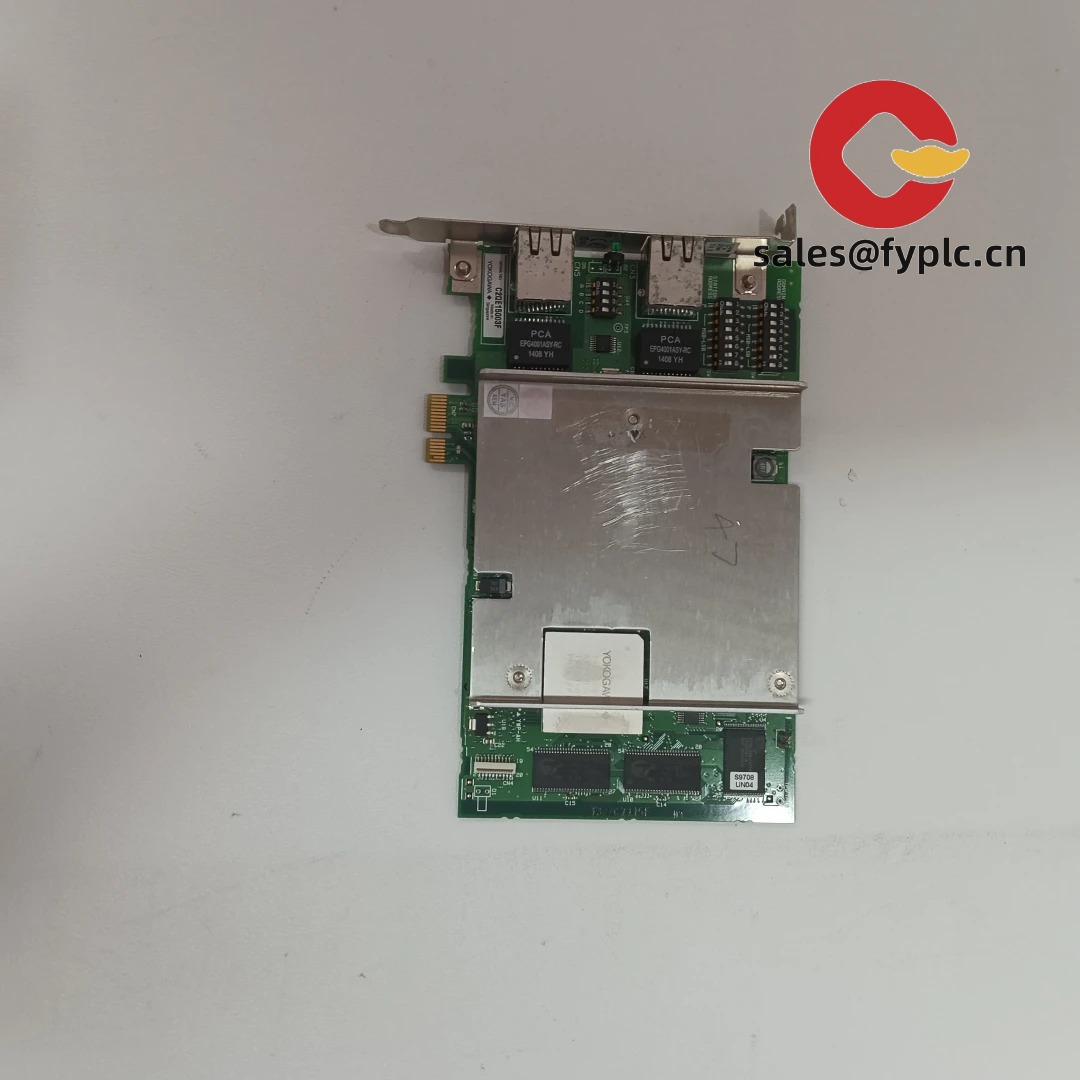
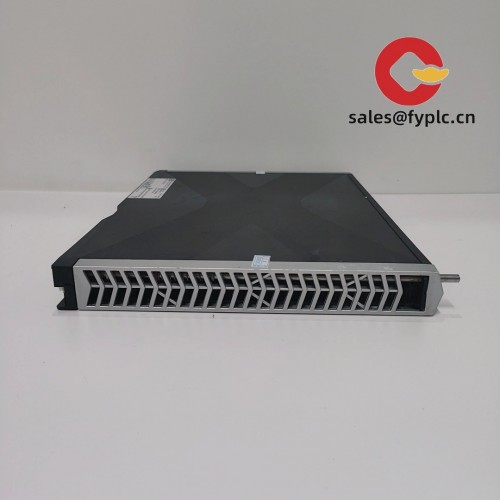
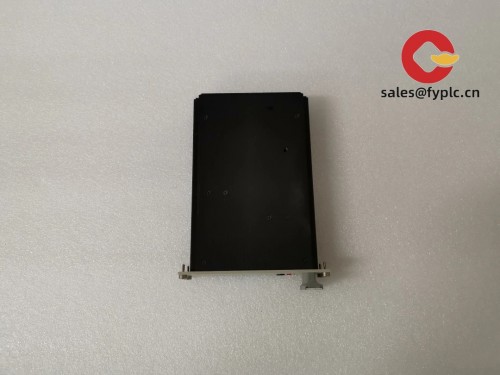
Yokogawa YNT512D – Network Interface Module for Vnet/IP Control Systems
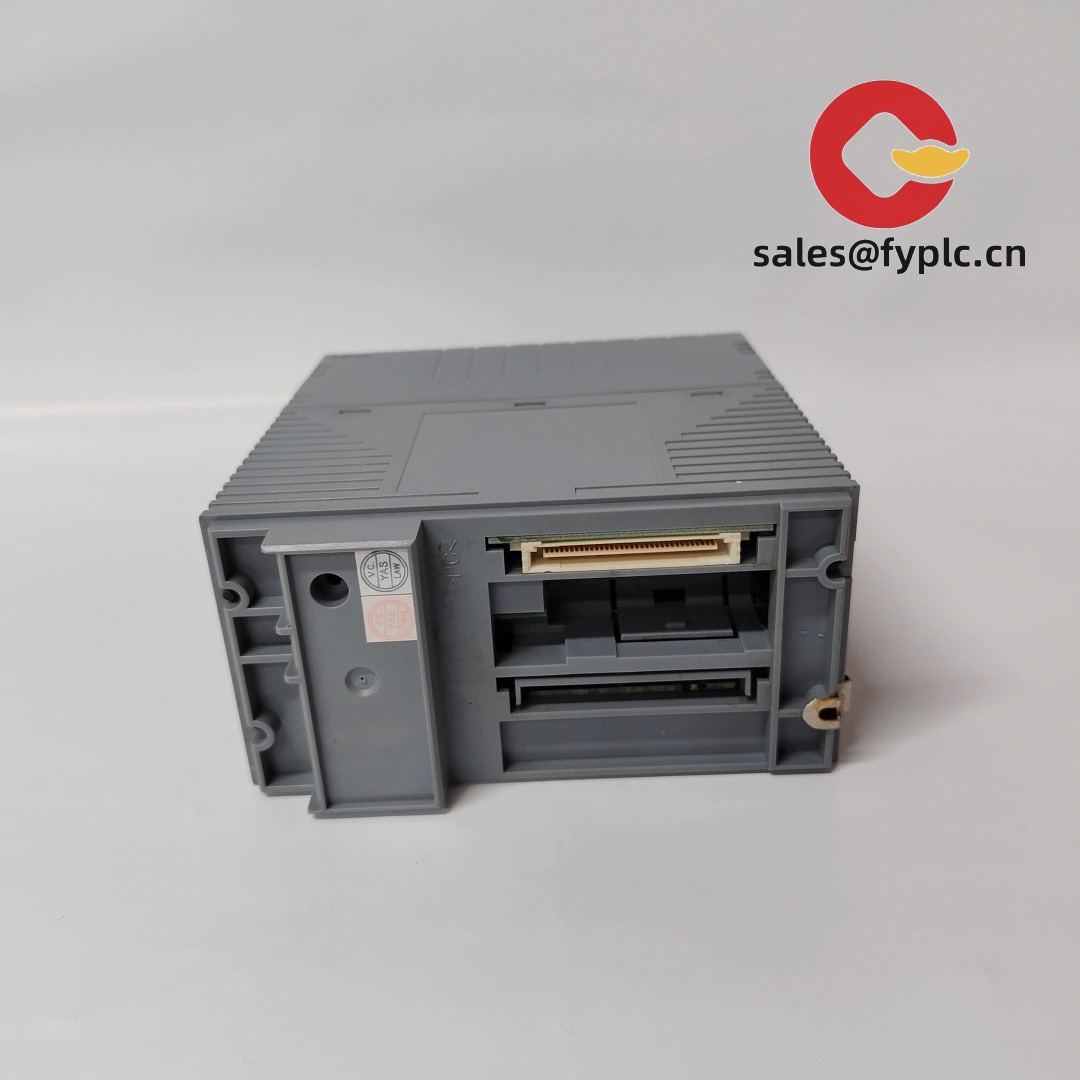
The Yokogawa YNT512D is designed for reliable Vnet/IP communications inside Yokogawa control systems, typically seen in CENTUM VP and ProSafe-RS architectures. From my experience, teams use it to add or refresh redundant plant network connectivity on a node, keeping the control layer deterministic and resilient during maintenance or switchovers. If you’re upgrading legacy segments or building a new node with dual-network paths, this module tends to be the safe, low-drama choice.
Company’s Order Placement Process and Guarantees
- Warranty period: 365 days
- Delivery: 1 week for in-stock; no more than one month at the latest
- Payment: 50% advance payment; full payment prior to delivery
- Express options: FedEx, UPS, DHL
Key Features
- Vnet/IP connectivity – Provides the control-network interface used across Yokogawa DCS/SIS systems for deterministic, plant-wide communication.
- Redundancy-ready design – In many cases deployed in dual configurations to maintain communication even during cable, port, or switch failures.
- Backplane-powered – No separate field power; the module draws power from the Yokogawa base unit for simpler wiring and service.
- Status and diagnostics – Front indicators and onboard self-diagnostics help technicians quickly verify link state and health.
- Hot-swap servicing (system-dependent) – On supported node bases, technicians typically replace the card under power to minimize downtime.
- Industrial temperature rating – Suitable for control cabinets in most plant environments when ventilation and grounding are in good order.
Technical Specifications
| Brand / Model | Yokogawa YNT512D |
| HS Code | 8538.90 (typical for industrial control system parts; final classification may vary by jurisdiction) |
| Power Requirements | Supplied via Yokogawa node/base-unit backplane; no external power feed required in normal installations |
| Dimensions & Weight | Plug-in module form factor (Yokogawa system card). Exact mechanical drawing available on request; sized for standard control cabinet depth. |
| Operating Temperature | 0 to 50°C typical for control cabinet environments (keep within manufacturer’s environmental limits) |
| Signal Input/Output Types | Network data only; no direct analog or discrete field I/O on this module |
| Communication Interfaces | Vnet/IP over Ethernet (typically 100BASE-TX); supports dual/redundant links depending on node configuration |
| Installation Method | Plug-in to Yokogawa node/base unit; front-access connectors for network cabling |
Related or Supporting Products
- Yokogawa ANB10D / ANB11D – FIO node units used to host I/O and communication modules. If you are building a new node, these are often paired with the YNT512D.
- Yokogawa AFV10S – Vnet/IP interface used in certain controllers; in some architectures it complements the YNT512D on other nodes.
- Yokogawa power modules (e.g., PW series) – Backplane power supply modules for the node; sizing depends on the total card count and load.
- Industrial Ethernet switches for Vnet/IP – Managed switches qualified for deterministic traffic; redundant topologies are commonly recommended.
You might notice that teams replacing aging network cards often standardize on a matched pair for redundancy. One maintenance supervisor told us the switchover during a planned test was effectively seamless—no alarms from the control room, just the log entries they expected.
Installation & Maintenance
- Cabinet standards – Install in a clean, dry control cabinet (19-inch racks or panel-mounted enclosures). Provide 50–100 mm free space for ventilation around modules.
- Wiring – Use shielded Cat5e/Cat6 as specified for Vnet/IP. Keep network cables segregated from high-voltage lines and maintain proper grounding.
- Redundancy – For most plants, dual independent paths (separate switches and routes) significantly reduce the risk of network outages.
- Safety – De-energize the node if hot-swap is not supported by your specific base. Observe ESD precautions when handling the card.
- Routine maintenance – Check link status LEDs during inspections, verify error counters in diagnostics, clean dust with dry air, and review firmware revisions during scheduled turnarounds.
- Time sync – If your system relies on plant time synchronization (NTP/PTP), verify the network role and clock source are configured consistently across nodes.
Quality & Certifications
- CE compliant (EMC and safety for industrial environments)
- UL recognition for control equipment (region-specific)
- RoHS compliant materials
- Manufacturer’s warranty: 12 months from shipment
If you’re validating the YNT512D for a brownfield upgrade, send over your existing node/unit model and network topology. We can quickly verify slot compatibility, redundancy options, and lead time. It seems to save a lot of back-and-forth, especially when mixing old and new segments.

Reviews
There are no reviews yet.