
Description
YYT107A – Precision Temperature Transmitter for Industrial Process Control
If you’re working on stabilizing temperature feedback loops in harsh environments—like chemical processing or oil & gas pipelines—the YYT107A tends to stand out as a reliable workhorse. It’s not flashy, but it gets the job done consistently, converting thermocouple or RTD sensor inputs into stable 4–20 mA signals that your PLC or DCS can trust. From my experience, it’s typically chosen when long-term stability matters more than cutting-edge features.
Key Features
- High accuracy signal conditioning: Maintains ±0.1% full-scale accuracy across fluctuating field conditions, which helps reduce drift-related recalibrations.
- Wide input compatibility: Supports J, K, T, E, R, S, B thermocouples and Pt100/Pt1000 RTDs—so one model covers most of your sensor types.
- Isolated 4–20 mA output: Reduces ground loop issues in electrically noisy plants; especially useful when routing signals over long cable runs.
- DIN-rail mount with spring-clamp terminals: Makes installation faster compared to screw-terminal modules, and holds up well under vibration.
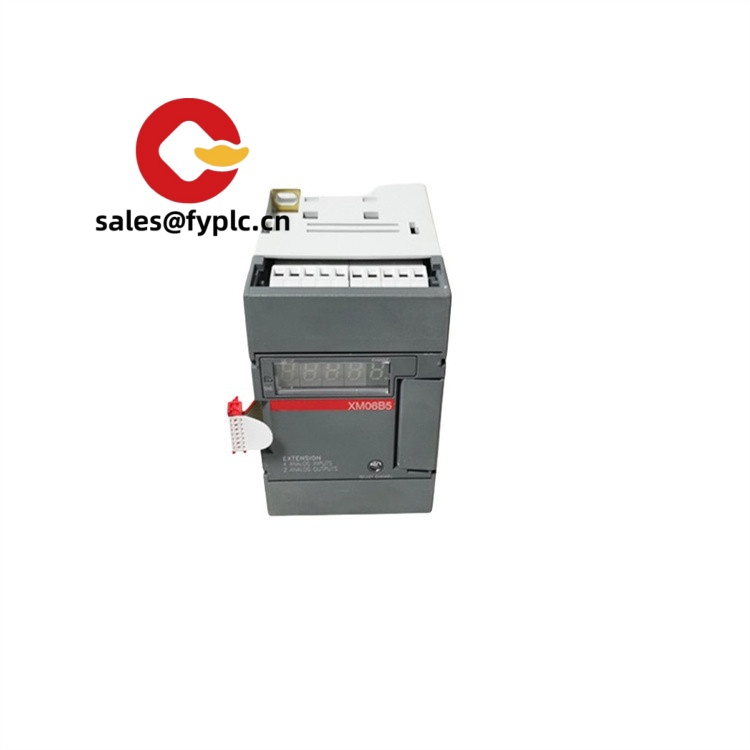
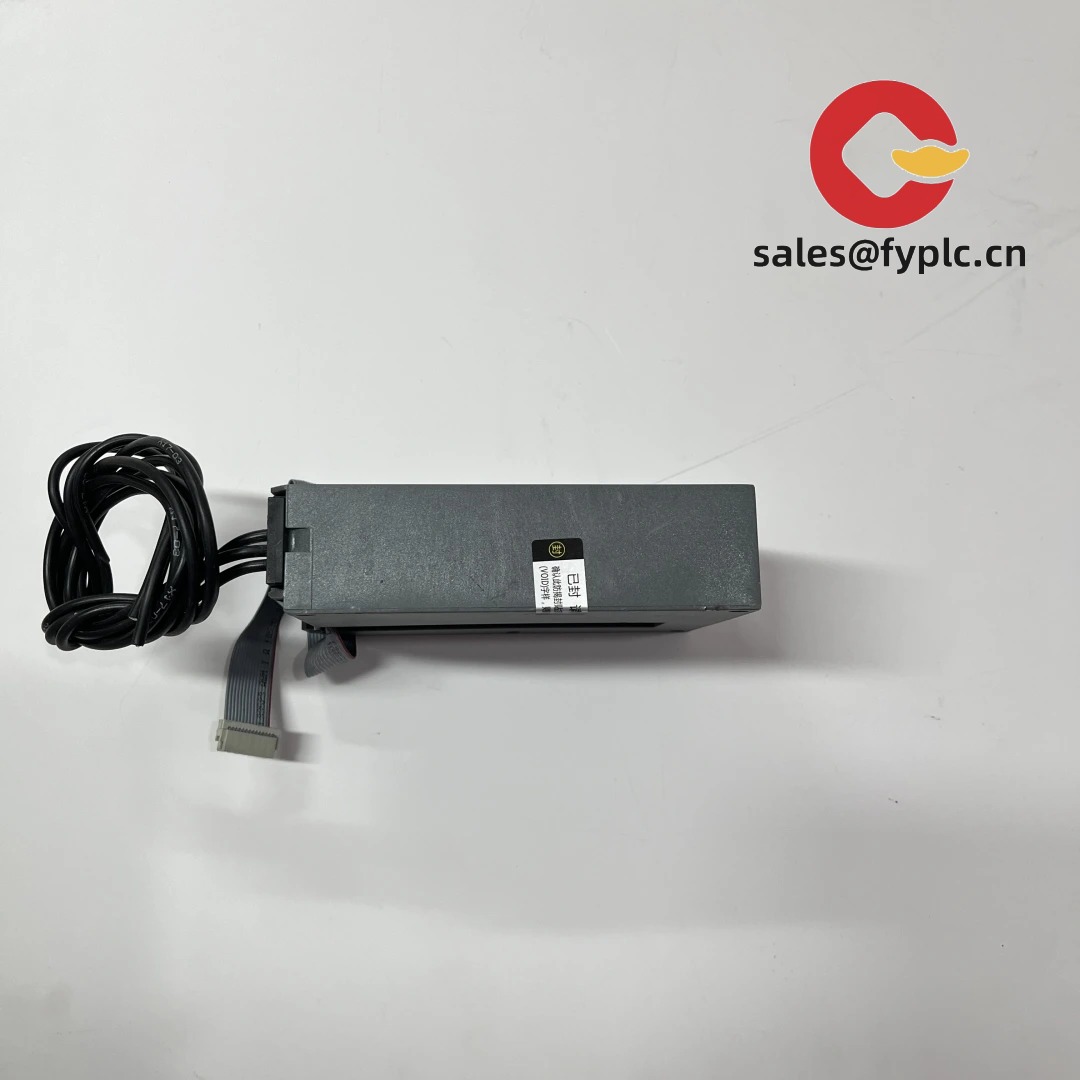
- Local display option (on certain variants): Some units include a small LED readout, which seems to be helpful during commissioning or troubleshooting without needing a handheld tool.
Technical Specifications
| Parameter | Specification |
|---|---|
| Brand / Model | ABB / YYT107A |
| HS Code | 9033.00.6000 (Temperature measuring instruments, n.e.s.) |
| Power Requirements | 12–35 V DC loop-powered (no auxiliary supply needed) |
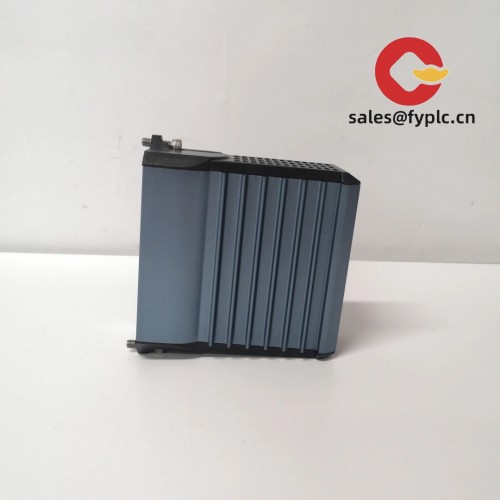
| Dimensions & Weight | 95 × 22.5 × 112 mm (H×W×D), ~180 g |
| Operating Temperature | -20°C to +70°C (electronics), -200°C to +1300°C (input-dependent) |
| Signal Input/Output | Thermocouple (J/K/T/E/R/S/B), RTD (Pt100/Pt1000); Output: 4–20 mA, 3-wire |
| Communication Interfaces | None standard; HART-compatible versions exist (e.g., YYT107A-H) |
| Installation Method | Top-hat DIN rail (35 mm), optional panel mount adapter |
Application Fields
The YYT107A shows up a lot in mid-tier process facilities where budget constraints meet real-world reliability demands. You might notice it in boiler control panels, reactor vessel monitoring, or even wastewater treatment plants handling variable influent temps. In many cases, it’s used to interface legacy sensors with newer SCADA systems—especially when isolation and noise immunity are critical. One thing I appreciate is how often it appears in retrofits: replacing older analog transmitters without rewiring the entire cabinet.
Advantages & Value
While not branded like a Rosemount or Endress+Hauser module, the YYT107A delivers solid performance at a fraction of the cost. Procurement teams tend to favor it for large-scale deployments—say, outfitting dozens of pump stations—where consistent specs and interchangeability matter. It typically comes pre-calibrated, so field setup time drops significantly. Also, since it draws power from the loop itself, there’s less need for separate power supplies, simplifying panel design. Technical support isn’t always instant, but firmware updates (when applicable) are straightforward via local trim pots or optional configurator tools.
Installation & Maintenance
Mount it on standard 35 mm DIN rail inside an IP54-rated control cabinet—good ventilation helps avoid heat stacking, especially in enclosed substations. Make sure input wiring uses twisted-pair shielded cable, grounded at one end only, to minimize EMI interference. Avoid running signal lines parallel to motor drives or VFDs. For maintenance, plan for annual visual inspection and zero/span checks if operating near environmental extremes. Cleaning is usually just wiping down the housing; no internal servicing required. Calibration intervals can stretch to two years in stable conditions, though some industries prefer yearly validation for compliance.
Quality & Certifications
Units typically carry CE and RoHS markings, confirming basic EMC and environmental compliance. Not UL-listed out of the box, but suitable for use in non-hazardous areas per general industrial standards. The manufacturer offers a 365-day warranty against defects in materials and workmanship—fairly standard for this tier. No registration needed; proof of purchase suffices for returns.
Delivery usually takes about a week if in stock, though it can stretch to four weeks for bulk orders. Payment terms are 50% upfront, balance before shipment. We ship via FedEx, UPS, or DHL depending on destination and urgency.

Reviews
There are no reviews yet.