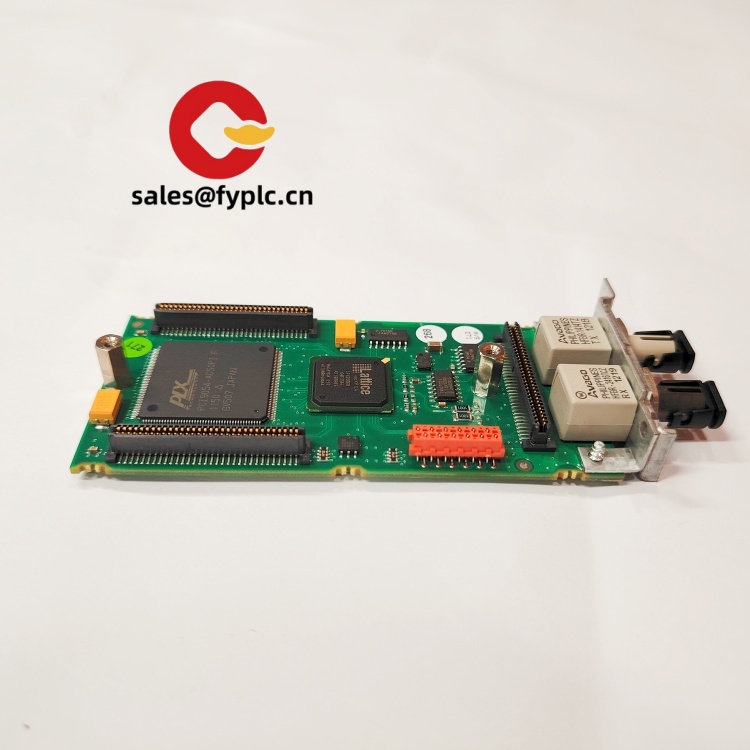
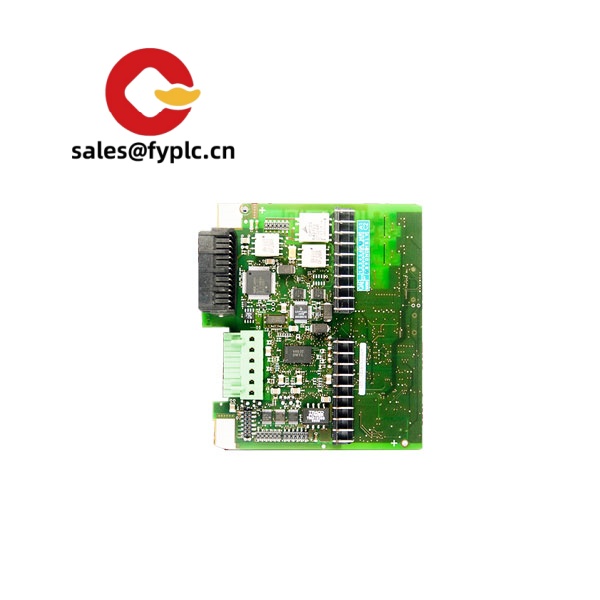
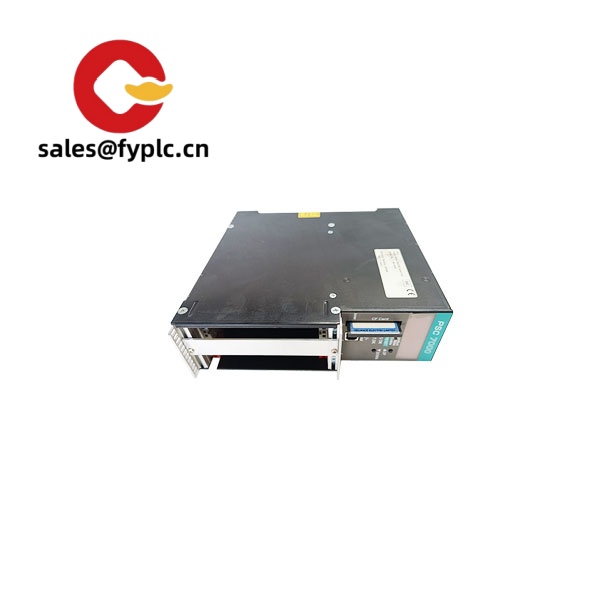

Description
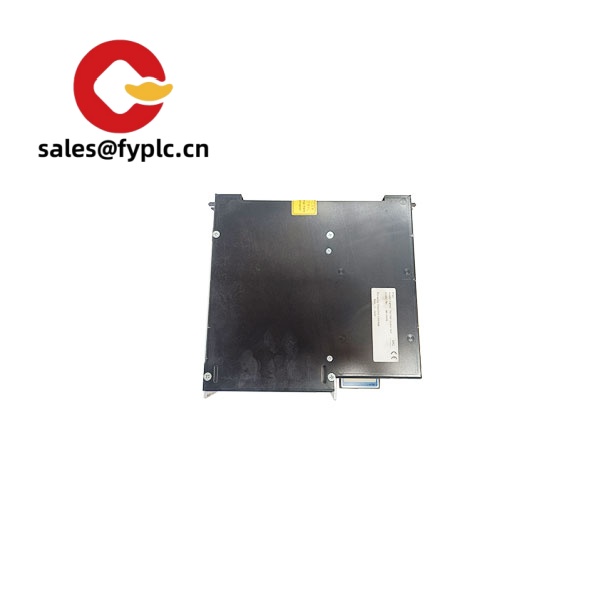
MOXA IMC-21A-M-ST Industrial Media Converter
Technical Specifications
- Product Model: IMC-21A-M-ST
- Brand: MOXA
- Warranty: One Year
- Input Voltage: 12–48 VDC, reverse polarity protection
- Operating Temperature: -10°C ~ +60°C
- Storage Temperature: -40°C ~ +75°C
- Response Time: Wire-speed forwarding latency
- Protection Class: IP30 metal housing, DIN rail mounting
- Accuracy Class: Not applicable (Network Transmission Device)
- Output Frequency: N/A
- Rated Current Range: Max 265 mA @12 VDC
- Communication Interface: 1×10/100BaseT(X) RJ45; 1×100BaseFX Multi-mode ST fiber port
- Supported Protocols: IEEE 802.3, IEEE 802.3u, IEEE 802.3x Flow Control
- Overload Capacity: Built-in overcurrent protection; 1.5 kV magnetic isolation
- Dimensions: 30 mm × 125 mm × 79 mm
Product Overview
The IMC-21A-M-ST is an industrial-grade 10/100BaseT(X) to 100BaseFX media converter from MOXA IMC-21A series, equipped with multi-mode ST fiber connector. It converts electrical Ethernet signals to optical fiber transmission to eliminate electromagnetic interference and extend communication distances up to 4 km over 50/125 μm multi-mode fiber. This hardware resolves signal distortion and ground loop issues occurring over long copper cable runs in noisy factory environments. Network integrators, automation engineers and maintenance teams deploy this unit to connect PLCs, drives and remote I/O over fiber infrastructure. DIP switches support adjustable duplex modes and transmission speed, while Link Fault Pass-Through functionality simplifies network fault diagnosis for unmanned industrial sites.
Application Scenarios
- Factory Automation Production Lines: Connect control cabinets distributed across large workshop areas. Fiber transmission prevents communication interruptions caused by variable frequency drives, welding equipment and high-power motor interference.
- Water & Wastewater Treatment Plants: Links remote instrument panels and pump control stations. Rugged metal construction withstands humid environments and avoids signal degradation on long-distance field communication.
- Building & Tunnel Monitoring Systems: Transmit data between surveillance units and local control nodes. ST fiber interface offers stable physical connection for frequent vibration scenarios.
- Energy Generation Auxiliary Control Networks: Extend Ethernet links between local control panels and centralized monitoring systems. Optical isolation protects network equipment from transient surge disturbances.

Reviews
There are no reviews yet.