Technical Specifications
- Product Model: CP06-206
- Brand: Rolls-Royce (Marine Division)
- Warranty: One Year
- Input Voltage: 24 VDC Isolated Marine Supply
- Operating Temperature: -15°C ~ +55°C
- Storage Temperature: -25°C ~ +70°C
- Response Time: ≤ 120 ms control loop execution cycle
- Protection Class: IP30 cabinet installation
- Accuracy Class: N/A
- Output Frequency: N/A
- Rated Current Range: 1.2 A maximum continuous draw
- Communication Interface: CAN-Bus, RS485, internal rack backplane
- Supported Protocols: Proprietary Rolls-Royce marine control bus protocol
- Overload Capacity: Reverse polarity, transient voltage and EMC surge protection
- Dimensions (W×H×D): 360 mm × 325 mm × 115 mm, integrated control panel assembly
Product Overview
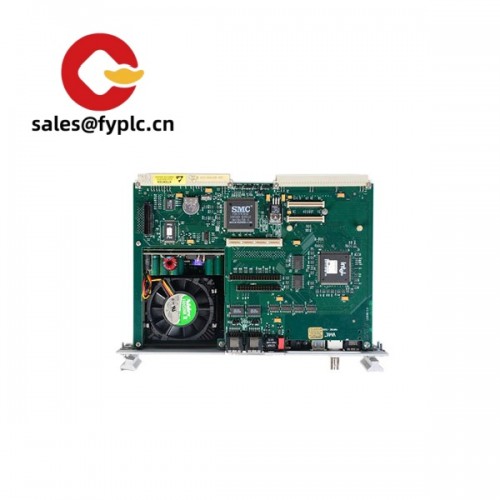
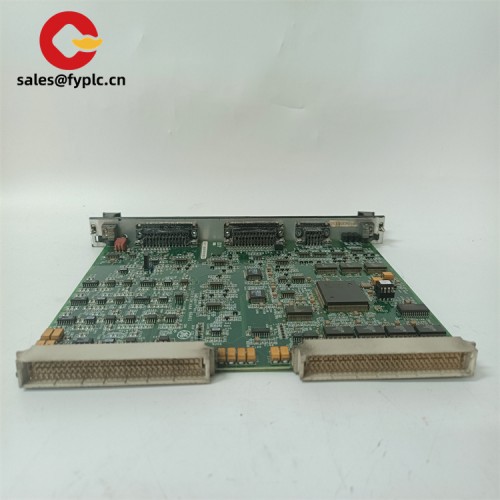
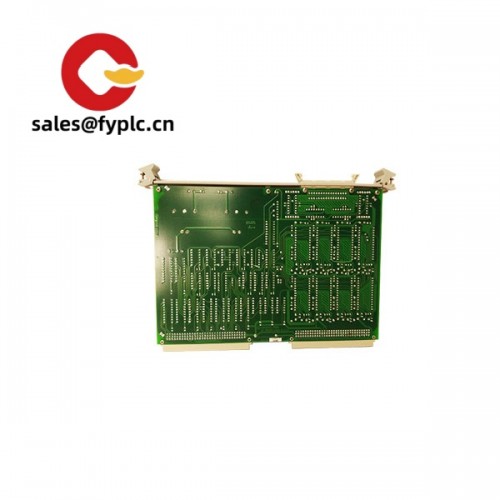
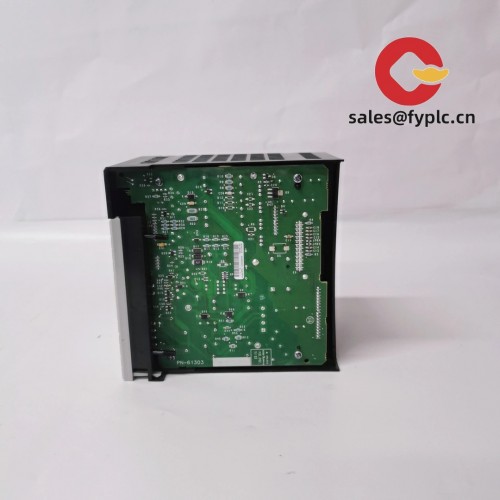
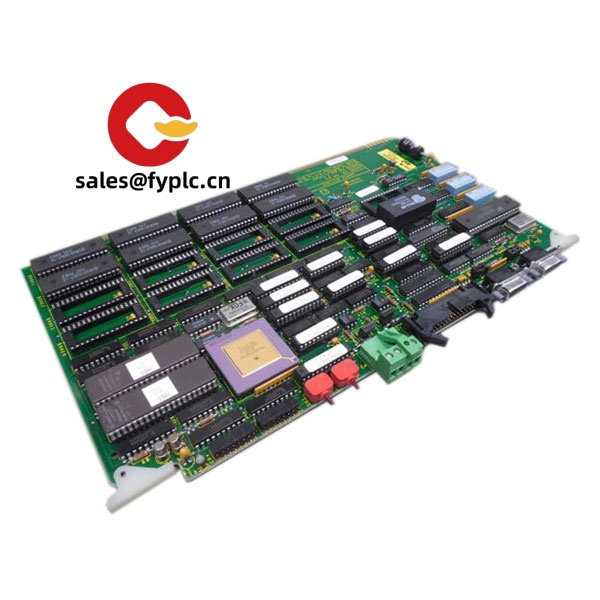
The Rolls-Royce CP06-206 is a marine-grade integrated engine control panel built for propulsion monitoring and local regulation within legacy Ulstein / Rolls-Royce ship automation platforms. This complete panel assembly processes throttle commands, engine speed feedback and safety interlock signals to govern main marine engine operating parameters, addressing unstable remote-local mode switching and signal distortion typical in vessel engine room environments. Marine electrical officers, shipyard service technicians and vessel owners maintaining Rolls-Royce propulsion systems rely on this unit for deterministic machinery control and regulatory compliance. It consolidates operator controls, signal conditioning and logic processing into a single enclosure, forming a critical local interface between bridge command stations and main propulsion engines for seagoing vessels. (Word count: 174)
Key Functions
- Local & Remote Propulsion Mode Switching: The panel supports seamless toggle between bridge remote operation and on-site local engine control. This capability enables technicians to conduct maintenance testing or emergency machinery operation independent of bridge command signals.
- Engine Speed Regulation & Load Limiting: Internal logic receives speed sensor feedback and generates actuation signals for fuel control mechanisms. Configurable power limiting prevents engine overloading during rough sea conditions or transient load spikes.
- Safety Interlock & Alarm Handling: Continuous monitoring of critical machinery parameters triggers protective engine reduction or shutdown sequences when threshold violations occur. Visual and local alarm outputs immediately notify engineers of abnormal operating states.
- Marine Communication Bus Interface: CAN-bus and RS485 ports exchange operational data with vessel alarm monitoring systems. Real-time engine speed, load and fault data are transmitted to centralised ship automation for continuous operational logging.
Application Scenarios
- Offshore Support Vessel Main Engine Local Control: Mounted inside engine control rooms to serve as backup propulsion command hardware. The Rolls-Royce CP06-206 ensures controllability of main engines if bridge remote communication suffers temporary failure during dynamic positioning operations.
- Commercial Cargo Vessel Propulsion Retrofit & Spare Replacement: Direct drop-in replacement for ageing control panels on vessels equipped with Ulstein-Rolls-Royce propulsion setups. Matching mechanical footprint and bus protocol eliminates extensive cabinet rewiring during dry-dock maintenance.
- Coastal Vessel Machinery Safety Management: Executes pre-programmed safety logic for overspeed, low lube pressure and cooling water alarms. Automatic load reduction functionality safeguards main engines from permanent mechanical damage during operational faults.